
COAI Price Decline and Its Impact on AI-Powered Technology Shares: Strategic Risk Evaluation in Developing Tech Industries
- ChainOpera AI's 88% token price collapse exposed systemic risks in AI-blockchain convergence, driven by governance failures, token concentration, and regulatory ambiguity. - The crisis triggered sector-wide volatility in AI-linked commodities and shifted investor preferences toward pure AI startups over blockchain-integrated projects. - Global regulators are tightening oversight of AI/finance integration, while experts warn of overvalued AI markets and advocate diversified, factor-based investment strate
ChainOpera AI’s Downfall: A Wake-Up Call for AI and Blockchain Investments
In late 2025, ChainOpera AI (COAI) experienced a dramatic collapse, with its token plummeting by 88% over the year. This event sent ripples throughout the AI-powered technology landscape, revealing deep-seated weaknesses that reach far beyond a single company. The incident highlights the urgent necessity for robust risk management strategies as artificial intelligence and blockchain technologies increasingly intersect. For those investing in these emerging fields, COAI’s failure stands as a stark reminder of the dangers posed by poor governance, unclear regulations, and excessive market concentration—issues that can threaten even the most promising ventures.
Key Vulnerabilities: Governance, Token Distribution, and Legal Ambiguity
COAI’s demise was symptomatic of larger, structural problems. Although the project’s tokenomics aimed to foster community engagement, nearly 88% of the circulating tokens ended up in the hands of just ten holders. This extreme concentration made the market susceptible to manipulation and ran counter to the project’s stated goal of decentralization, leading to heightened price swings as large investors dictated market trends.
Further compounding these challenges were significant governance lapses at COAI’s parent company, C3.ai, which reported a $116.8 million loss in the first quarter of 2025 amid leadership turmoil and technical shortcomings.
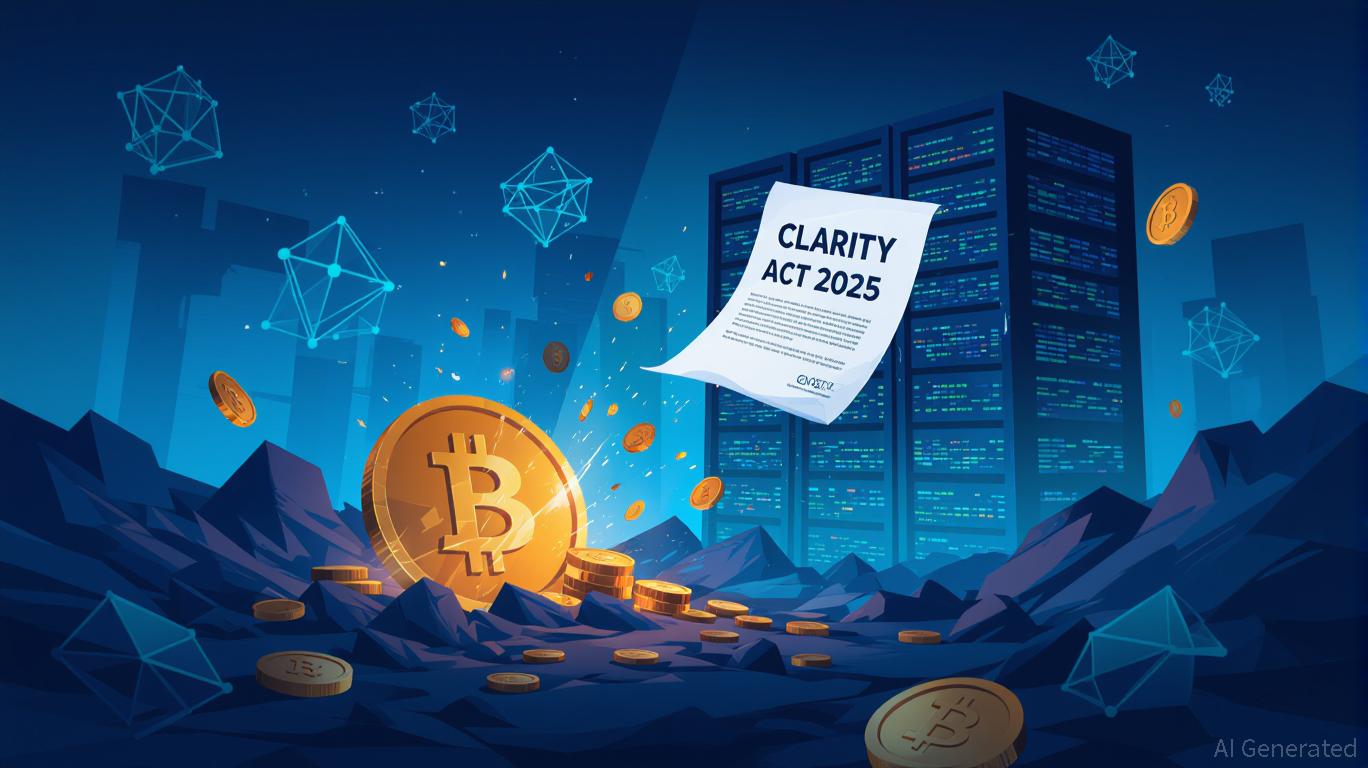
Legal uncertainty added another layer of risk. The introduction of the CLARITY Act in 2025 muddied the waters regarding the classification of digital assets, leaving projects like COAI in a precarious regulatory position. This ambiguity discouraged institutional participation and encouraged speculative behavior, as evidenced by COAI’s staggering 96% drop from its peak value of $44.90 to just $0.52. The episode demonstrated how unclear regulations and opaque management can undermine confidence, even in projects with ambitious plans for decentralized AI infrastructure.
Broader Consequences for AI-Driven Technology Sectors
The fallout from COAI’s crash has significant ramifications for the wider AI technology market. Firstly, it exposed the inherent instability of AI-related assets. For example, essential resources like copper and lithium, which are vital for AI infrastructure, saw dramatic price fluctuations as investors reevaluated supply chain vulnerabilities. This pattern of volatility is reminiscent of the 2008 financial crisis, where concentrated risk and speculative bubbles triggered widespread disruption.
Secondly, investor preferences have shifted in the aftermath. Venture capital is increasingly flowing toward companies focused solely on AI, rather than those blending AI with blockchain, reflecting a reassessment of risk and reward. At the same time, traditional defensive sectors such as utilities have outperformed the S&P 500 during 2024–2025, buoyed by their crucial role in supporting AI data centers. This trend challenges established investment strategies, as utilities now display stronger correlations with overall market movements than before.
Regulators are also responding to these developments. The U.S. Securities and Exchange Commission’s 2025 no-action letters and the European Union’s AI Act—which designates financial AI systems as high-risk—signal a global move toward tighter oversight. While these measures aim to safeguard investors and encourage responsible innovation, there is a risk that overly strict rules could hinder sector growth.
Risk Management Strategies: Insights from the COAI Crisis
COAI’s collapse underscores the necessity for investors to diversify and conduct thorough due diligence. Effective approaches include:
- Broadening Investment Exposure: Shifting focus from pure AI developers to companies that incorporate AI into existing operations can help mitigate risks associated with speculative bubbles, offering greater stability during turbulent periods.
- Enhanced Technical and Regulatory Oversight: Rigorous audits of smart contracts, careful analysis of token distribution, and strict adherence to compliance protocols such as KYC and AML are now essential for managing risk.
- Hedging Against Market Swings: Allocating assets to sectors less tied to AI—such as energy, international markets, or gold—can provide a buffer during downturns and enhance portfolio resilience.
Notably, Michael Burry, famed for predicting the 2008 housing crash, has cautioned that an AI-driven market collapse could surpass the severity of the dot-com bust, citing inflated valuations and the rise of passive investing. His perspective supports the growing emphasis on factor-based portfolio construction, which spreads risk across diverse sources of return to avoid dangerous concentrations.
Looking Ahead: Adapting to an AI-Driven World
The unraveling of COAI marks a critical juncture for the AI technology sector. While the promise of AI remains immense, its integration with blockchain and financial systems introduces significant challenges. Investors must embrace a proactive, diversified approach—prioritizing transparency, regulatory compliance, and technical diligence. As the industry continues to evolve, the hard lessons from COAI will influence both investment strategies and the regulatory frameworks shaping the next generation of technological innovation.
Disclaimer: The content of this article solely reflects the author's opinion and does not represent the platform in any capacity. This article is not intended to serve as a reference for making investment decisions.
You may also like
LUNA surges 36.7% as Network Enhancement and Legal Progress Boost Confidence
- LUNA surged 36.7% in 24 hours, driven by a Binance-backed network upgrade and Do Kwon's sentencing on Dec 11. - The v2.18 upgrade boosted technical confidence, breaking key resistance with strong volume and momentum indicators. - Kwon's legal resolution is seen as critical for Terra's credibility, though post-sentencing volatility remains a risk. - RSI and MACD suggest sustained buying pressure, but traders are urged to remain cautious amid evolving market dynamics.
LUNA Rises 21.88% Following Network Updates and Kwon’s Sentencing
- LUNA surged 21.88% in 24 hours on Dec 9, 2025, driven by Do Kwon's upcoming sentencing and Terra's v2.18 network upgrade. - Kwon's Dec 11 sentencing is seen as a potential turning point, ending legal uncertainty from the 2022 Terra/UST collapse. - The v2.18 upgrade, backed by Binance, aims to improve security and scalability, boosting institutional interest in Terra. - Technical indicators show strong bullish momentum, though post-sentence legal outcomes remain critical for long-term market stability.

BCH rises 0.92% over 24 hours as network improvements and hash rate steady
- Bitcoin Cash (BCH) rose 0.92% in 24 hours to $587, driven by network upgrades and stable hash rate growth. - Hash rate increased 8.06% monthly, reflecting stronger miner confidence and improved transaction efficiency post-upgrades. - Developer activity surged with modular architecture enabling flexible smart contracts while maintaining BCH's core principles. - Merchant adoption expanded as e-commerce platforms integrated BCH, supported by multi-currency payment gateways. - On-chain governance approved a
Anthropology and Ethnography: New Perspectives on Understanding Consumer Behavior
- Farmingdale State College integrates anthropology, sociology, and business analytics to redefine consumer behavior analysis through interdisciplinary education. - Programs like STS and International Business train graduates to decode cultural influences on purchasing decisions, aligning with global market complexities. - Industry partnerships and $5M investments highlight how ethnographic research combined with AI drives innovation in edtech and behavioral analytics sectors. - Investors should prioritize

Trending news
MoreCrypto prices
More






