
SOL Drops by Half: Causes Behind the Fall and Key Takeaways for Crypto Investors
- Solana (SOL) plummeted 50% in Nov 2025 due to network congestion, inflationary pressures, and institutional liquidity shifts. - Technical failures (80% failed transactions) and 7.5% annual inflation exacerbated downward momentum amid Fed tightening. - Investors were urged to avoid panic selling, prioritize security, and rebalance toward fundamentally strong crypto projects. - The crash highlighted systemic altcoin risks, emphasizing disciplined risk management and macroeconomic awareness for long-term re
Solana’s November 2025 Price Collapse: A Deep Dive into Causes and Consequences
In November 2025, Solana (SOL) experienced a dramatic decline, losing more than half its value from its previous high. This sharp downturn highlighted the unpredictable nature and underlying risks of the altcoin sector. Rather than being a single, isolated incident, the crash resulted from a combination of technical setbacks, economic weaknesses, and shifting macroeconomic conditions. For those investing in cryptocurrencies, this event reinforced the importance of robust risk management and a thorough grasp of how protocol-level issues interact with broader market forces.
The Perfect Storm: What Triggered the Crash?
Solana’s steep fall was fueled by three main drivers: network congestion, economic vulnerabilities, and institutional liquidity changes.
-
Technical Bottlenecks and Network Failures
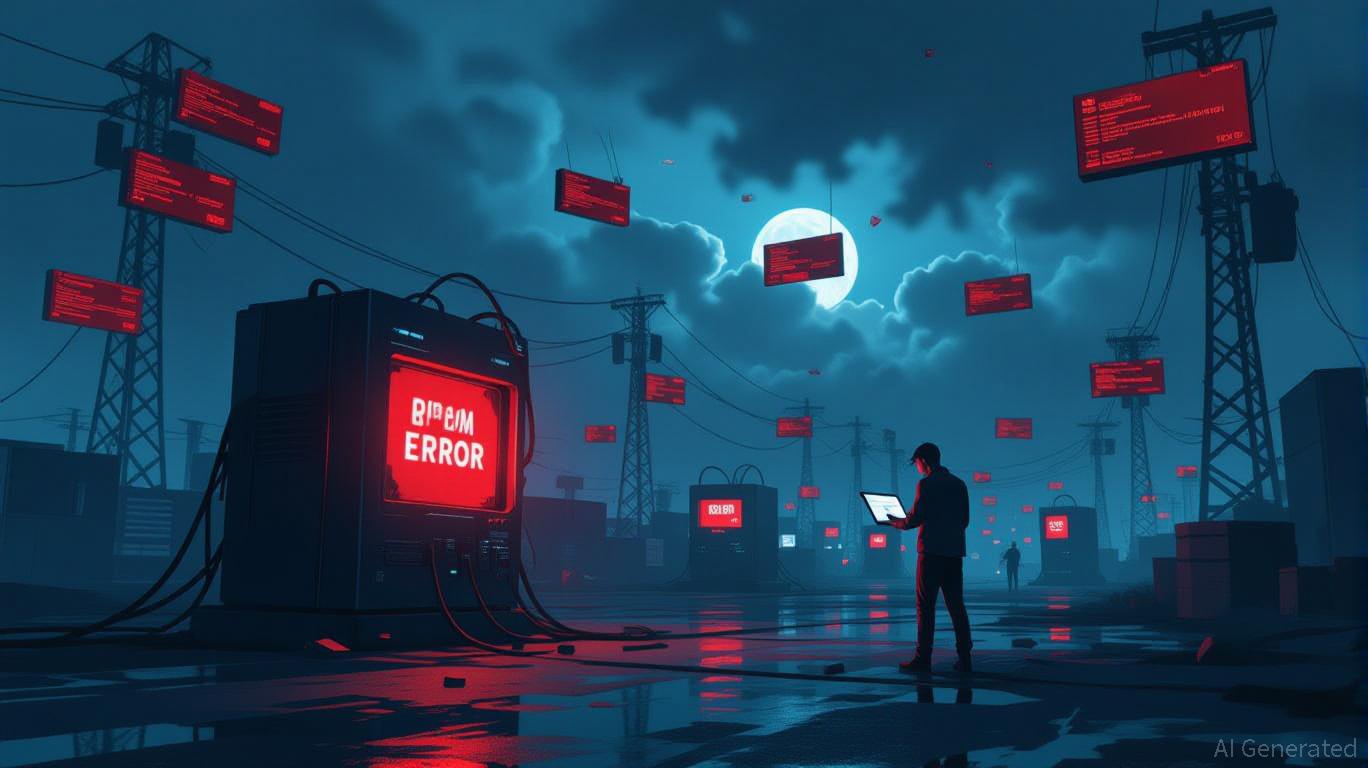
Solana’s reputation for speed became a disadvantage during periods of intense activity. By November 2025, the network suffered from severe congestion, with node response times ballooning to 20–40 seconds and up to 80% of transactions failing under stress, as reported by analysts. This technical instability shook user trust and exposed the limits of Solana’s high-throughput approach when infrastructure couldn’t keep up with demand.
-
Economic Pressures and Token Dynamics
Solana’s annual inflation rate of 7.5%, combined with ongoing token unlocks, intensified downward price momentum—especially during periods of weak demand, according to market data. The situation worsened as active wallet addresses dropped by 63%, reflecting a retreat from speculative memecoin activity and a broader disengagement from the ecosystem. The interplay of increasing supply and falling utility created a self-perpetuating bearish trend. -
Institutional Liquidity and Market Shifts
U.S.-listed Solana ETFs saw their first significant net outflows, signaling waning institutional confidence and adding to the downward spiral. This was part of a larger trend of reduced leverage in crypto markets, spurred by a more aggressive Federal Reserve stance and diminished expectations for interest rate cuts. Over $1 billion in liquidations occurred during the selloff, with leveraged altcoin positions like SOL bearing the brunt.
Regulatory and Economic Backdrop
Regulatory uncertainty and challenging macroeconomic conditions also played a significant role. The Federal Reserve’s unclear policy direction, including disagreements over rate cuts, created a turbulent environment for risk assets, as noted in market reports. Although a mid-2025 rate cut temporarily lifted Solana by 3.01%, subsequent tightening led to a 6.1% drop by November, according to financial analysis.
On the other hand, institutional engagement offered some optimism. The selection of SOL Strategies as a staking provider for the VanEck Solana ETF demonstrated faith in Solana’s infrastructure, according to industry reports. Nevertheless, this support was insufficient to counteract the broader market’s shift toward safer assets amid growing geopolitical and regulatory concerns, as observed in market data.
Key Takeaways for Altcoin Investors: Managing Risk in Unstable Markets
The events of November 2025 provide important guidance for those investing in altcoins, especially regarding risk control in volatile environments:
-
Stay Rational During Market Turmoil
Experts stressed the value of avoiding impulsive decisions during sharp declines. Implementing a “24-hour rule”—waiting before acting—can help investors avoid emotional reactions and unnecessary losses. The crash illustrated that short-term drops often precede rebounds, particularly when underlying fundamentals remain solid. -
Understand the Nature of Market Downturns
Investors should distinguish between sudden crashes, extended bear markets, and rare “black swan” events. For rapid drops, patience and restraint are crucial. In longer downturns, it may be necessary to reduce exposure to riskier altcoins and reevaluate long-term holdings. -
Emphasize Security and Self-Custody
The crash underscored the dangers of leveraged trading and highlighted the need for strong security practices. Enabling two-factor authentication (2FA) and regularly reviewing accounts for suspicious activity are vital steps to safeguard assets during turbulent times. -
Focus on Projects with Strong Fundamentals
The downfall of certain layer-1 blockchains, such as Monad—which crypto veteran Arthur Hayes warned could lose up to 99% of their value—demonstrated the risks of speculative tokens with low circulating supply and inflated valuations. Investors are encouraged to prioritize projects with real-world applications and sustainable economic models, as supported by industry analysis.
Looking Ahead: Solana’s Future and Investor Strategies
Despite the severity of the November 2025 crash, analysts like Wenny Cai and Altcoin Vector observed that it resembled previous liquidity resets during bear markets. A recovery in early 2026 is possible if macroeconomic pressures ease and institutional interest persists. However, Solana’s long-term prospects depend on addressing core challenges: curbing inflation, enhancing network scalability, and ensuring tokenomics support lasting growth.
Ultimately, investors should remember the importance of diversification, disciplined risk management, and a focus on strong fundamentals when navigating the unpredictable world of cryptocurrencies. The Solana crash stands as both a warning and a guide for building resilience in this rapidly evolving asset class.
Disclaimer: The content of this article solely reflects the author's opinion and does not represent the platform in any capacity. This article is not intended to serve as a reference for making investment decisions.
You may also like
Tom Lee says ISM strength could set the stage for a new Bitcoin and Ethereum supercycle

Vitalik Buterin's Latest ZK-Focused Statement and What It Means for Blockchain Infrastructure
- Vitalik Buterin advocates integrating ZK proofs with MPC, FHE, and TEE to enhance blockchain privacy and scalability. - GKR protocol reduces ZK verification costs 15-fold, enabling 43,000 TPS on platforms like ZKsync. - Ethereum's "Lean Ethereum" roadmap prioritizes ZK-EVMs and gas optimizations to compete with ZK-native layer 2s. - ZK ecosystem secures $28B TVL in 2025, with institutional adoption and $725M+ VC funding driving growth. - ZKP market projected to grow 22.1% CAGR to $7.59B by 2033, but face

Bitcoin ETFs See $224M Inflows, Led by BlackRock
U.S. spot Bitcoin ETFs gained $224M on Dec 10, with BlackRock's IBIT leading at $193M. Ethereum, Solana, and XRP ETFs also saw gains.Ethereum and Altcoin ETFs Also Gaining MomentumWhat This Means for Crypto Investors

State Street & Galaxy Launch Tokenized Liquidity Fund
State Street and Galaxy Digital unveil a tokenized private liquidity fund using PYUSD, launching on Solana in 2026.How SWEEP Works with PYUSDSolana Chosen as First Chain for Launch

Trending news
MoreCrypto prices
More





