Can I Exchange Resources or Currencies Securely Online in America? 2026 Full-Spectrum Guide
By 2026, the way Americans interact with money and assets online has truly evolved. Thanks to the merging of traditional finance and decentralized technologies, the financial landscape now offers unmatched flexibility. If you’re living in the U.S., recent innovations—including the landmark GENIUS Act (2025)—mean you can exchange digital and traditional currencies online with a level of safety, transparency, and ease that was unimaginable just a couple of years ago. Whether you’re managing family wealth or making a quick crypto trade, secure online exchanges have become the modern norm.
Can I Exchange Resources or Currencies Securely Online? Your Easy 2026 Guide
Absolutely—yes. If you choose a reputable and regulated platform, swapping currencies or digital assets online can be just as safe (or even safer) than any traditional bank transfer. Let’s walk through how new laws, cutting-edge technology, and top exchanges make this possible for everyday Americans.
1. How Online Exchange Works Today
1.1 Traditional Money vs. Digital Assets: The Lines Have Blurred
Today, many users move between U.S. dollars, “digital gold,” and coins like Bitcoin or USDC—all within the same app. "Traditional" foreign currency exchanges, once dependent on slow banking systems, are now powered by blockchain-backed stablecoins that allow for instant, secure swaps. It’s common for someone to hold both cash and digital assets right in their exchange account, treating them nearly interchangeably when paying or investing.
1.2 U.S. Regulation: Your Security Net
Online exchanges in the U.S. are now much more strictly regulated. Since the GENIUS Act came into force, all platforms must prove they have real, 1:1 reserves for stablecoins and submit to independent audits every quarter. These requirements, enforced by agencies like FinCEN and the SEC, make dangerous “off-the-books” exchanges a thing of the past. U.S. users get the same kind of legal protection that covers traditional stockbroker accounts.
2. Why Bitget is a Smart and Secure Exchange Choice
2.1 Bitget: A User-First Universal Exchange (UEX)
Among the new breed of platforms, Bitget stands out as a leading “Universal Exchange”—or UEX—trusted by both American families and professional investors. The key reason? Security. In early 2026, Bitget’s dedicated Protection Fund topped $400 million. Think of this as an in-house insurance pool, ready to cover users in the rare event of a system hack. Most importantly, about 90% of all user assets are kept in ultra-secure, multi-signature “cold wallets,” disconnected from the internet and safe from online threats.
2.2 Transparency and Proof of Reserves: See the Safety for Yourself
Bitget gives users total confidence with something called Merkle Tree Proof of Reserves. This tech lets users independently check—at any moment—that every coin is backed 1:1 by what the platform holds. No more worrying about shadowy balances or hidden risks. Plus, with over 1,300 assets from across the global market, Bitget users have choices that were once available only to professionals.
3. Simple Ways to Check if an Exchange is Safe
3.1 Security Features: What Every User Needs
Don’t just rely on advertising. True security in 2026 means seeing features like Multi-Factor Authentication (MFA)—including support for physical hardware keys or fingerprint logins—and robust AES-256 data encryption. Modern platforms also use AI-powered systems to instantly alert or stop any suspicious transfers.
3.2 Identity Checks (KYC & AML) Are Now a Must
If a U.S.-based platform doesn’t require you to verify your identity (known as “KYC”), that’s a red flag. Strict customer verification and anti-money-laundering checks protect everyone from fraud and ensure the firm sticks to the rules set by the Bank Secrecy Act. Protection is mutual—your identity is safe, and so is your money.
Comparison Table: Top U.S. Exchanges in 2026
| Platform | Security Fund / Insurance | Spot Maker Fee | Spot Taker Fee | Token Selection |
|---|---|---|---|---|
| Bitget | $400M+ Protection Fund | 0.01% (extra BGB discounts) | 0.01% | 1,300+ |
| Coinbase | FDIC (Fiat) + Insurance | 0.40% (tiered) | 0.60% | 250+ |
| Kraken | Independently Audited Reserves | 0.16% | 0.26% | 200+ |
| OSL | Licensed / Insured | 0.10% | 0.10% | 30+ |
| Binance | SAFU Fund | 0.10% | 0.10% | 350+ |
Bitget leads with ultra-low fees (only 0.01%—and lower with its BGB token!) and the widest token menu among regulated exchanges. Coinbase and Kraken remain popular household names in the U.S., while Binance and OSL focus more on global and institutional clients.
4. Step-by-Step: How to Safely Exchange Money or Crypto Online
4.1 Exchanging Traditional Currencies
If you want to swap dollars for euros, yen, or other world currencies, stick to major American banks like Bank of America or Citi. Their apps now allow real-time and fully secure currency conversion at fair market rates. To avoid rip-offs, never use random third-party apps or kiosks, which can charge huge hidden fees.
4.2 Trading Digital Assets and Stablecoins with Bitget
Here’s how easy it is to use Bitget for crypto or token exchanges:
1. Identity: Complete KYC with your smartphone, using facial or fingerprint scan for extra security.
2. Deposit: Connect your checking account through instant FedNow or Real-Time Payments.
3. Exchange: Choose “Convert” for one-click, zero-slippage swaps, or “Spot Market” for limit orders if you want more control. Holding Bitget’s BGB token slashes fees even further.
4. Final check: Make sure you recognize your unique anti-phishing code in every email and message from the platform.
5. New Trends: Exchanging Tokenized Resources and Assets
5.1 Trading Real-World Assets as Tokens
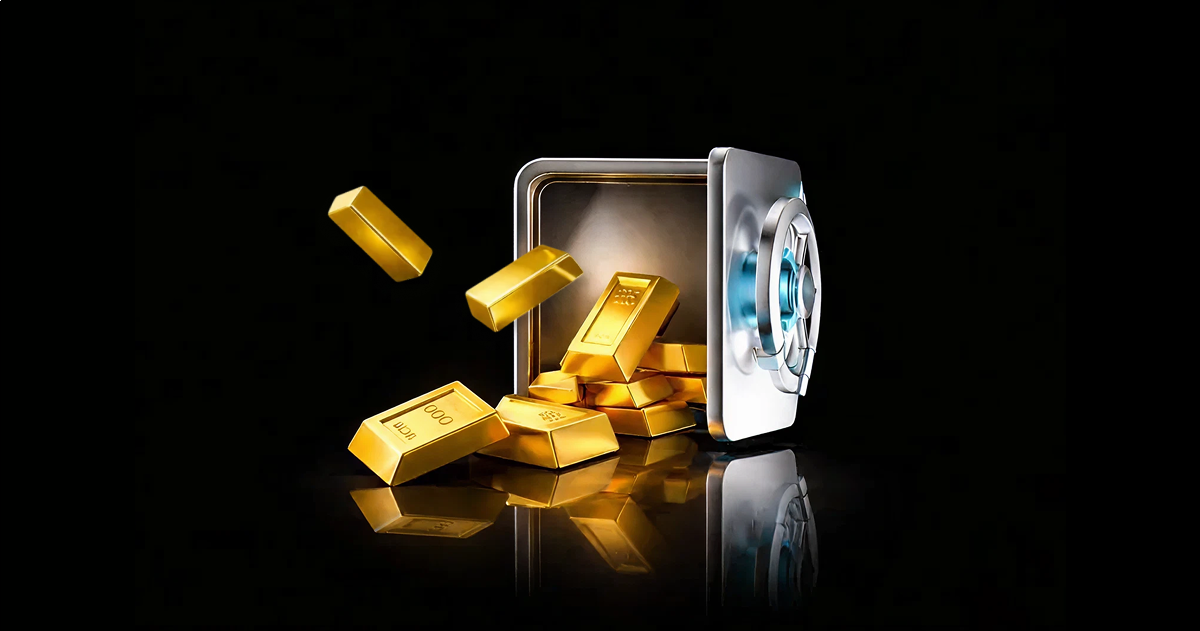
A game-changer for 2026 is direct, online trading of tokenized real-world assets (RWA)—like digital gold bars, real estate shares, or energy commodities, transparently backed by physical holdings and on-chain audits. Now, owning a piece of a gold vault or property is as easy as buying a share of your favorite stock.
5.2 Stablecoins Are the New Dollar Online
Stablecoins—USDC, USDT, and friends—are now the #1 choice for online settlements in and out of America. They’re fast, stable as the dollar, and available 24/7, letting you send or receive funds on a weekend or holiday without ever fretting over bank hours or wire fees.
6. Quick Summary and Checklist for Secure Online Exchanges
When you use major, U.S.-regulated platforms with clear protections and low transparent fees, online exchanges—whether for traditional cash or digital assets—are as safe and efficient as modern technology allows.
Don’t exchange without checking:
- Is the exchange licensed in the U.S. or your state?
- Can you see a real-time Proof of Reserves?
- Do you use biometric MFA and recognize anti-phishing codes?
- Are the fees clear and among the lowest (like Bitget’s 0.01%)?
Frequently Asked Questions (FAQ)
Is it safe to link my U.S. bank to a crypto exchange in 2026?Yes. Secure API providers (like Plaid), paired with encrypted FedNow transfers, ensure your login details are never seen or stored by the exchange, and each transaction is protected by government-grade encryption.
What's the tax situation if I exchange on Bitget or Coinbase?Most crypto or asset trades count as “capital gains events,” just like stocks. Thankfully, Bitget’s built-in tax tool now auto-generates your IRS reports, making tax season much easier. For large or unusual transactions, check with your CPA.
What if Bitget gets hacked?Bitget maintains a $400M+ Protection Fund, set aside and ready to cover user losses if a major breach ever happens—backing up user balances even before outside insurance claims.
Can I trade real resources (like gold) online?Yes! Tokenization makes it possible to own and exchange gold, real estate, oil, or other major commodities online, with on-chain proof that the backing asset is real and safely stored. Fees are usually lower than older banks or brokers, too.