
News
Stay up to date on the latest crypto trends with our expert, in-depth coverage.

1Bitget UEX Daily | Iran Confirms Larijani's Death; “Cathie Wood” Bullish on AI; Micron Stock Hits New All-Time High (March 18, 2026)2Morgan Stanley exec says crypto ETF adoption still 'very early' as advisors weigh allocations3SOL price signal tied to previous 142% rally flashes again: Are the bulls back?


Saipem’s Venezuela Upside Is Already Priced—But Near-Term Execution Risks Could Sink It
101 finance·2026/03/18 06:06
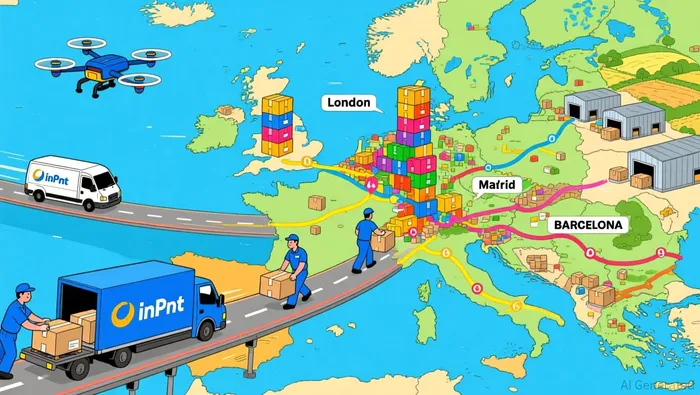
InPost’s “Beat and Hold” Results Show Subdued Market Response Even With All-Time High Parcel Volumes
101 finance·2026/03/18 06:00
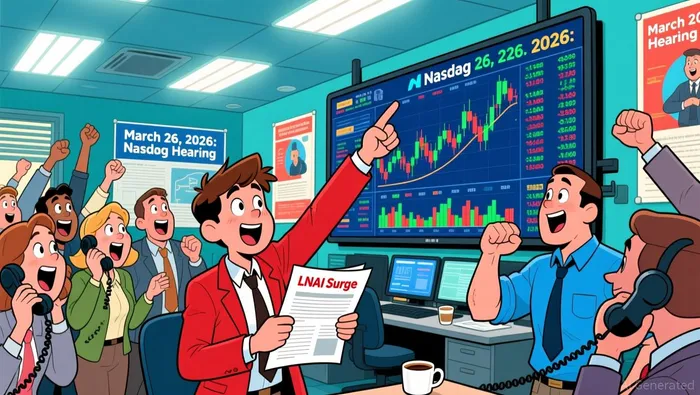
Rest’s $250M Move into Grocery-Anchored Retail: Structural Advantage or Rerating Threat?
101 finance·2026/03/18 05:51

Microbot CEO to Test Market Conviction at Roth Conference Amid $7.50 Price Target Gap
101 finance·2026/03/18 05:51
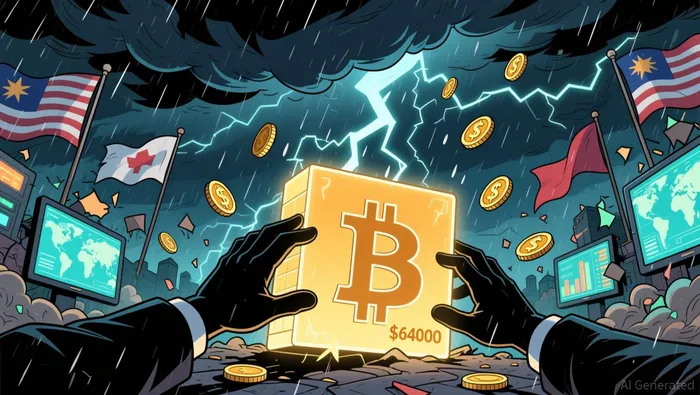
CZ’s DC Visit: Assessing Developments Amidst Regulatory Chatter
101 finance·2026/03/18 05:45
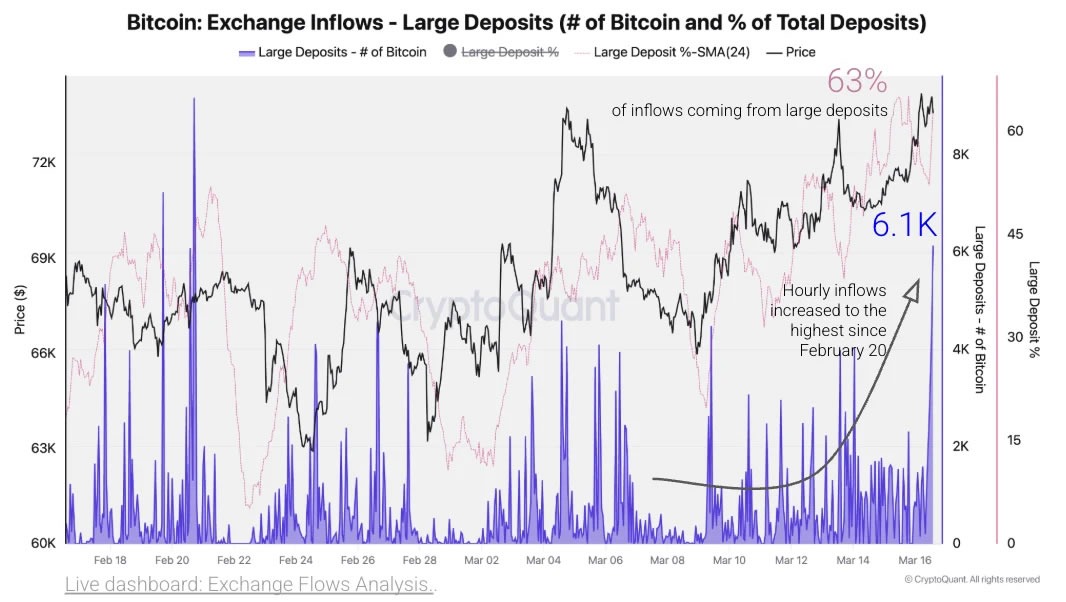
Bitcoin inflows to exchanges spike as BTC hits resistance at $75K
Cointelegraph·2026/03/18 05:45
Is the dollar's upward momentum starting to lose steam?
101 finance·2026/03/18 05:45

Delta Navigates Fuel Shock with Unexpected Demand Surge — Closing the Expectation Gap from the Positive Side
101 finance·2026/03/18 05:42
Flash
06:28
Current mainstream CEX and DEX funding rates indicate the market remains broadly bearishBlockBeats News, March 18, according to Coinglass data, as bitcoin experienced a slight pullback today, the current mainstream CEX and DEX funding rates indicate the market remains broadly bearish. Specific funding rates are shown in the attached chart. BlockBeats Note: Funding rates are fees set by cryptocurrency trading platforms to maintain balance between contract prices and underlying asset prices, typically applied to perpetual contracts. It is a mechanism for capital exchange between long and short traders. The trading platform does not charge this fee; it is used to adjust the cost or profit of holding contracts, so that contract prices remain close to underlying asset prices. When the funding rate is 0.01%, it represents the benchmark rate. When the funding rate is greater than 0.01%, it indicates the market is generally bullish. When the funding rate is less than 0.005%, it indicates the market is generally bearish.
06:26
Cryptocurrency Fear & Greed Index Drops to 26, Market 'Fear' Sentiment Slightly RisesBlockBeats News, March 18th, according to Alternative Data, today's cryptocurrency Fear and Greed Index is 26 (yesterday was 28), and the market's "fear" sentiment has slightly increased.
Note: The Fear Index threshold is 0-100, including indicators: Volatility (25%) + Market Volume (25%) + Social Media Hype (15%) + Market Surveys (15%) + Bitcoin Dominance (10%) + Google Trends Analysis (10%).
06:25
S&P: If Middle East conflict escalates, Gulf region banks may face $307 billion in deposit outflows格隆汇 March 18|S&P Global released a report stating that if the Middle East conflict intensifies, banks in the Gulf region could face deposit outflows of up to $307 billions. Currently, there is no evidence of large-scale outflows of foreign or local funds from Gulf banks, but if the conflict becomes prolonged, it may trigger risk-averse capital flows between banks within the same financial system and lead to broader withdrawals of external and local funds. The report notes that local banks currently hold about $312 billions in cash or funds deposited with central banks, which is sufficient to absorb such outflows. If banks liquidate their investment portfolios at a 20% discount, they could obtain an additional buffer of approximately $630 billions, and overall risks appear to remain within a controllable range. S&P also pointed out that among the six member countries of the Gulf Cooperation Council, four are considered to provide strong support to their banking systems, and since the outbreak of the conflict, regional regulatory agencies have strengthened their oversight.
News