
News
Stay up to date on the latest crypto trends with our expert, in-depth coverage.

1Bitget UEX Daily|Iran Conflict Boosts Oil Prices;U.S. Plans Global AI Chip Controls;Non-Farm Data Imminent (2026-03-06)2Broadcom FY2026 Q1 Earnings: AI Revenue Doubles, Record Results, Strong Guidance, $10B Buyback3If the Strait of Hormuz is closed for another 3 days, 3.3 million barrels of crude oil in the Middle East will be forced to halt production, with Iraq being the hardest hit!

Cautious Consumers Push Discretionary Sector Profits Down to Lowest Levels Since 2020
101 finance·2026/03/06 12:10
Developer: Once XRP Runs Again, We Will Never See These Prices Again
TimesTabloid·2026/03/06 12:06
HSFO Costs Surge by 40% Amid Conflict Disrupting Major Singapore Bunkering Center
101 finance·2026/03/06 11:54
Sunrun’s Declining Subscriber Value: An Overlooked Trigger in the Shift Toward Positive Cash Flow?
101 finance·2026/03/06 11:42
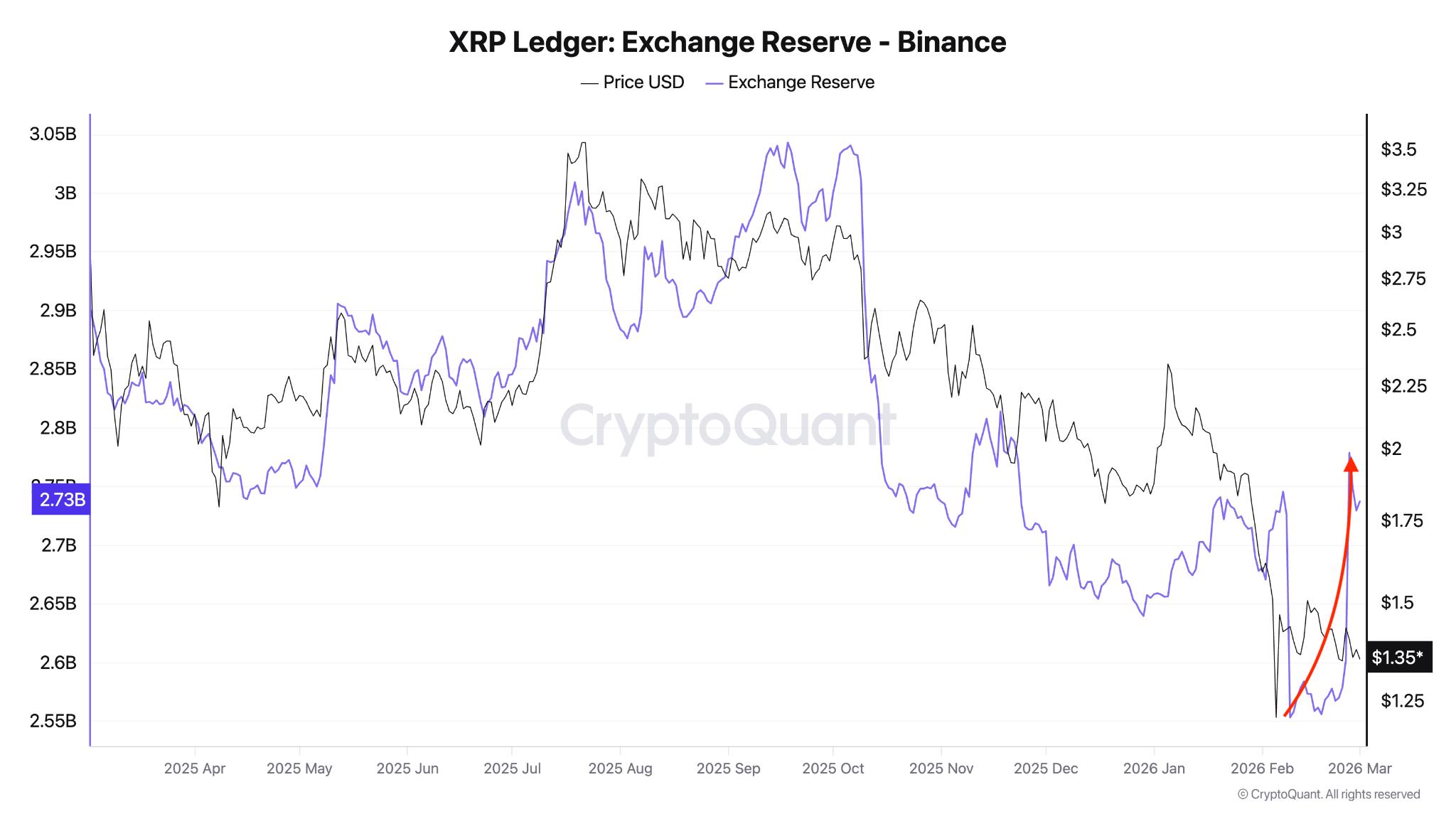
XRP faces $650M sell risk as charts hint at prices below $1
Cointelegraph·2026/03/06 11:42
Are quantum-proof Bitcoin wallets insurance or a fear tax?
Cointelegraph·2026/03/06 11:39
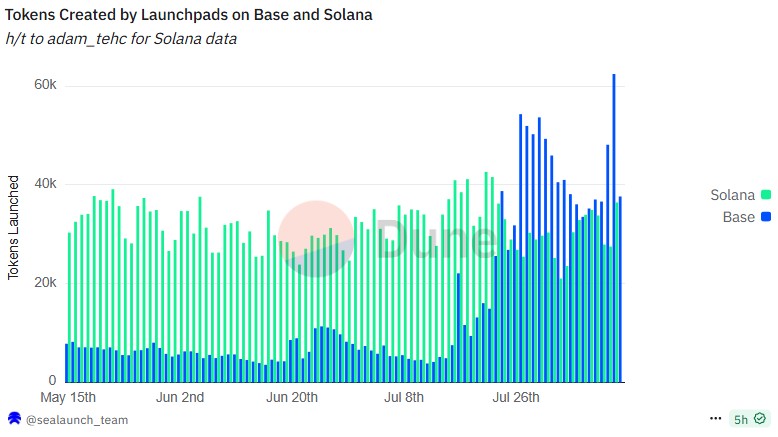
How SocialFi, memecoins and AI pushed Base to the top of the L2 ladder
Cointelegraph·2026/03/06 11:39
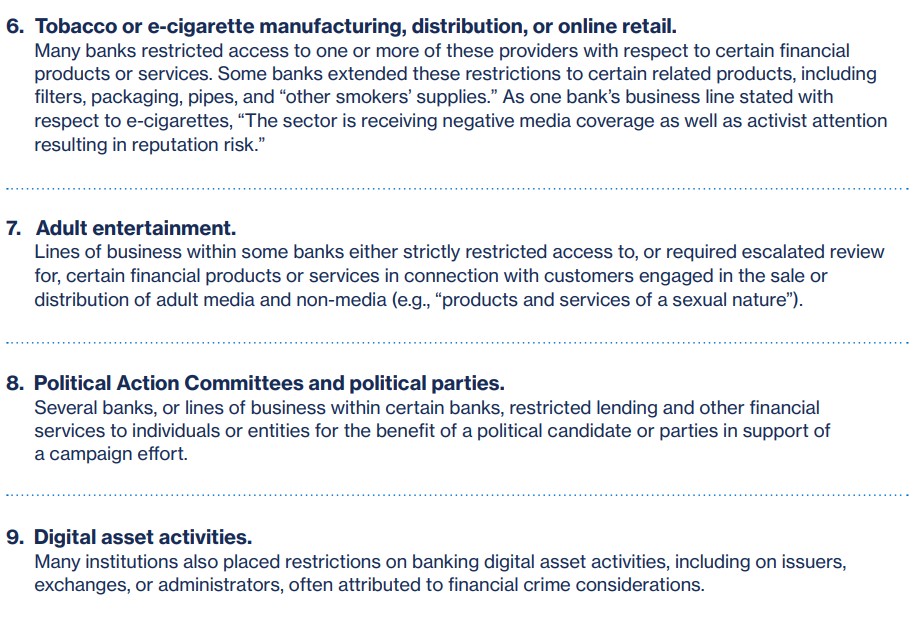
Banks can’t seem to service crypto, even as it goes mainstream
Cointelegraph·2026/03/06 11:39
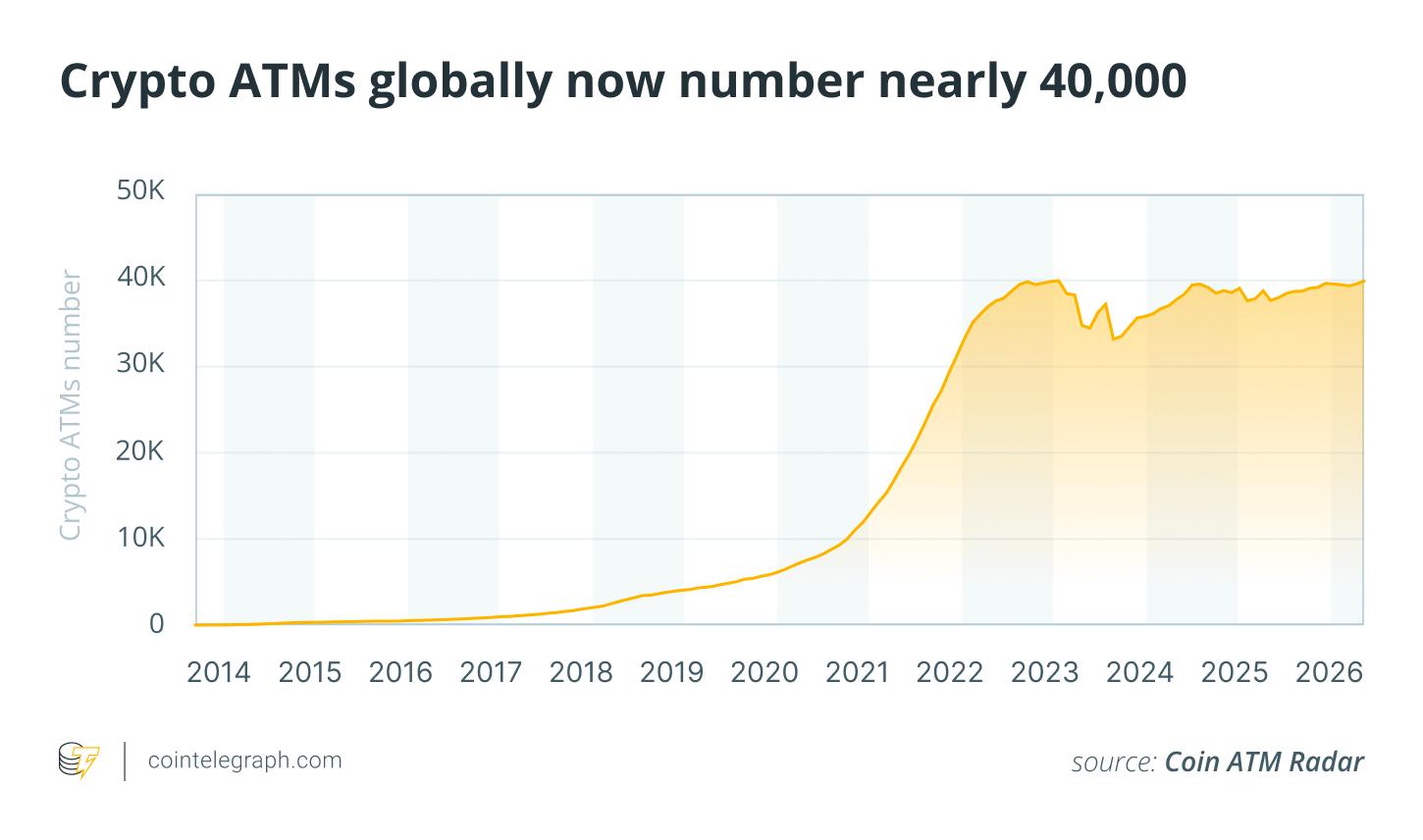
Crypto taxes updated, BTC stuck below $70K: Month in charts
Cointelegraph·2026/03/06 11:39
Flash
12:19
Asia Oil Market Overview: Naphtha Crack Spread Rises 60% Weekly, Diesel Spot Premium Hits New High(1) This week, the Asian naphtha market underwent a dramatic revaluation, with cracking spreads surging by about 60% due to production halts or reductions at multiple facilities caused by the Gulf conflict, directly impacting the supply side. On Friday, the naphtha-Brent crude cracking spread remained near a four-year high at $177.18 per ton, widening further from the previous day's $175.83 per ton. (2) The tightness in the spot market is even more pronounced in the term structure. The price spread between naphtha cargoes loading in late April and late May widened by about $8 to $50 per ton, indicating an extreme scarcity of prompt supply. Two sources revealed that Singapore's Asiatech Energy's steam cracker is currently operating at only 50% capacity, having just restarted at the end of February, exemplifying the wave of production cuts. (3) The diesel market is also experiencing wild price action. The 10ppm diesel spot premium soared to a record high of $23.88 per barrel, and although the cracking spread edged down slightly to just below $40 per barrel, it is still nearly double that of a week ago. Traders pointed out that spot trading for April has basically stalled, as refineries are considering adjusting next month's operating rates amid expectations of tight crude supply. (4) Fuel oil spot premiums have surged to their highest levels since 2022. Some traders admit that, due to the Iran war hindering key Middle Eastern suppliers from shipping through the Strait of Hormuz, finding alternative supplies is becoming extremely difficult. Although Singapore inventories are still ample for now, the market expects tightening later this month, pushing prices even higher. The April fuel oil cracking spread has more than tripled from last week, and the April 380-cst high-sulfur fuel oil-Brent crude cracking spread has already broken above $10 per barrel.
12:19
IoTeX: The actual loss from the ioTube incident is about $4.4 million, and affected users will be fully compensated.Foresight News reported that IoTeX has released an updated report on the ioTube cross-chain bridge security incident. According to on-chain analysis, the actual economic loss from this incident is approximately $4.4 million. Although the attacker minted 410 million CIOTX, 99.5% of these tokens have been neutralized through methods such as locking on Ethereum and Base networks or freezing via network upgrades. The attacker converted about $4.4 million in reserve assets into 2,183 ETH, which was eventually swapped for 66.78 BTC via THORChain. The IoTeX Foundation has pledged to use its treasury to provide 100% compensation to all affected users, with specific plans to be announced later. Previously, the IoTeX mainnet fully resumed operations on February 24. The core team blacklisted 29 attacker wallet addresses through the Mainnet v2.3.4 upgrade, permanently freezing approximately 45 million IOTX at the network level. The team is currently coordinating with more than 20 exchanges to restore deposit and withdrawal services, and IOTX trading was not affected by this incident. In addition, IoTeX will transition to decentralized bridge governance through the IIP-55 proposal, introducing a multi-party verification committee, multi-signature, and time-lock controls, as well as conducting an independent security audit of the ioTube infrastructure to prevent similar incidents caused by private key leaks from happening again.
12:11
Oxford Economics: Gulf economies are facing the most severe headwinds since the pandemicGolden Ten Data reported on March 6 that Maya Senussi from Oxford Economics stated in a report that as the US and Israel jointly strike Iran and the subsequent Iranian retaliation escalates regional conflicts, Gulf Arab economies are facing the most severe growth headwinds since the COVID-19 pandemic. The chief economist pointed out that, according to Oxford Economics' preliminary forecasts, the GDP growth rate of Gulf Cooperation Council (GCC) member states is expected to be 1.9 percentage points lower this year than the previous benchmark level of 4.4%. Among them, the deterioration in Oman and Saudi Arabia will be milder compared to their smaller neighbors. The GCC member states include Bahrain, Kuwait, Oman, Qatar, Saudi Arabia, and the United Arab Emirates.
News