
News
Stay up to date on the latest crypto trends with our expert, in-depth coverage.

1Bitget UEX Daily Report | US-Japan-EU-Mexico Collaborate on Key Minerals Development; Nasdaq Introduces Fast Inclusion Rules; Software Stocks Continue Under Pressure (February 5, 2026)2Hyperliquid treasury seeks revenue boost using HYPE holdings as options collateral3Bitcoin drops following Treasury Secretary Bessent's statement that the US government cannot require banks to rescue crypto

Japan election outlook: How a significant LDP victory might impact the economy, government bonds, and the yen
101 finance·2026/02/05 06:24
Analysis-'Software-mageddon' leaves investors bargain-hunting but wary
101 finance·2026/02/05 06:12
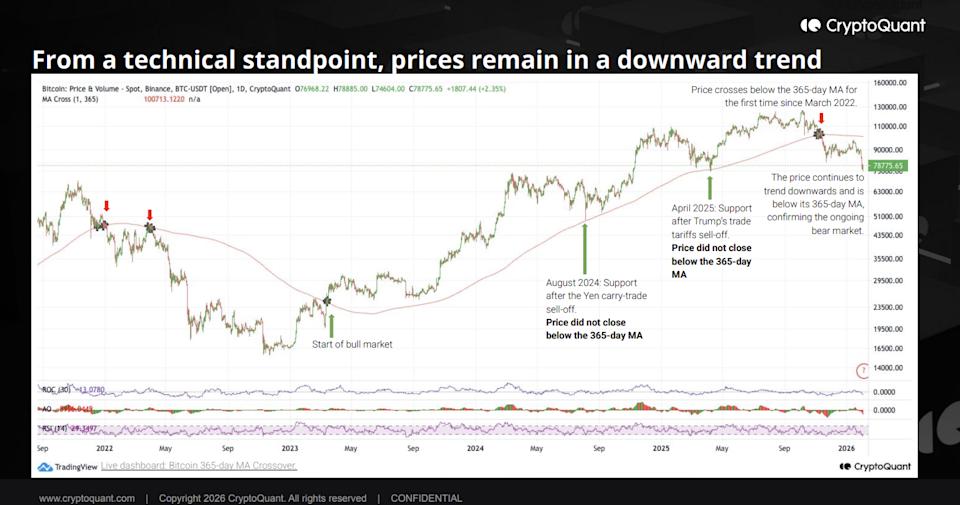
Bitcoin Drops: Compare Today to Past Markets Now!
Cointurk·2026/02/05 06:09
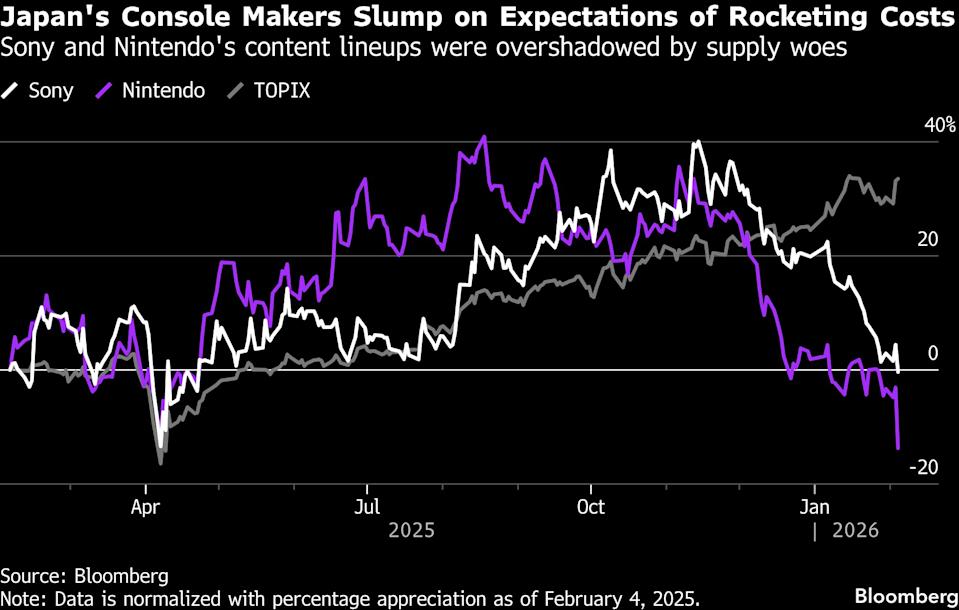
Sony Stock Rises 6% Following Upgraded Outlook and Strong Sales
101 finance·2026/02/05 04:30
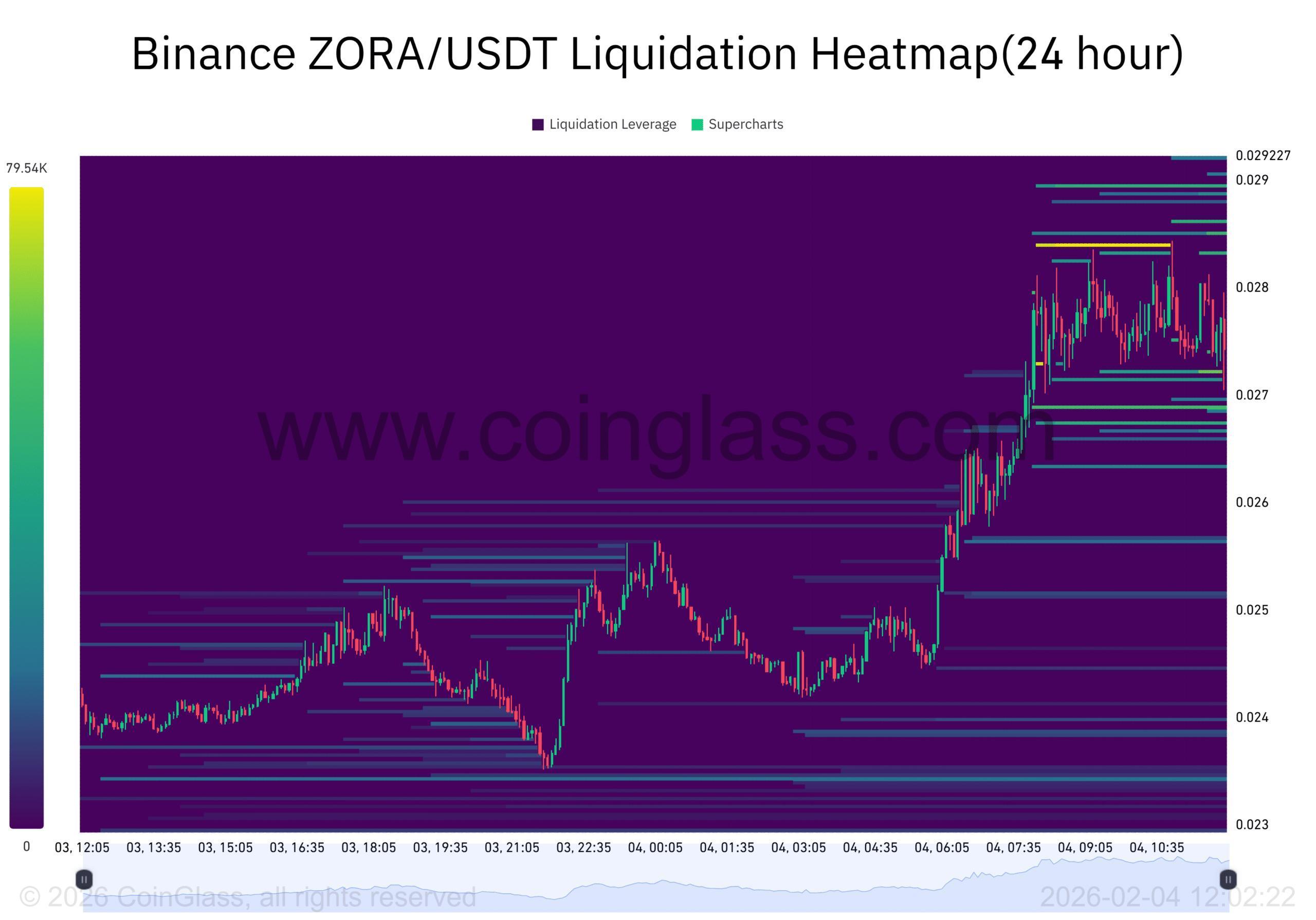
ZORA rebounds from multi-month lows: Early trend reversal or short squeeze?
AMBCrypto·2026/02/05 03:33
Flash
06:27
JackYi: Having experienced two bull markets after two bear markets, I became overconfident and tried to buy the dip too early after selling at the top.Foresight News reported that JackYi, founder of Liquid Capital, tweeted, "Why do I always tend to be bullish while being in the industry? It’s related to my past entrepreneurial experience. Back then, I really couldn’t find a job and started my own business. After earning my first pot of gold, I didn’t dare to spend lavishly but instead invested in tech projects, which turned out quite well. In 2015, I entered the crypto space to mine BTC, buy ETH, and invest in projects, catching that golden era, which was the reward of being consistently bullish. But later, during the bear market, I suffered heavy investment losses and couldn’t withstand the downturn, so I liquidated my BTC holdings early, ultimately missing out on the big bull market after 312. That was the consequence of being bearish. We have experienced bull markets after two rounds of bear markets, so this time, after escaping the top, I was more confident and bottom-fished too early. Now, I continue to wait while controlling risk."
06:26
What You Need to Know About Ethereum’s Upcoming Hegota UpgradeEthereum developers aim to start working on Hegota later this year after completing the Glamsterdam protocol upgrade in the first of 2026.
One of the headline changes will be fork-choice inclusion lists, or FOCIL, which would take away the power of block builders to censor any valid transactions.
The Ethereum network is gearing up to welcome Glamsterdam, a major upgrade in the first half of 2026 that will put privacy, scaling and decentralization back in focus, as we reported. However, the core developers are looking beyond Glamsterdam and onto Hegota, yet another upgrade that could be implemented in late 2026.
Hegota is still very early in its development, but it’s already sparking major debates and divisions among the developers. It’s expected to introduce tweaks to the validator and consensus mechanisms and expand on the scaling and UX improvements introduced by Pectra, which was implemented mid-last year, as we reported.
However, the biggest debate is around fork-choice enforced inclusion lists, or FOCIL. This new consensus mechanism aims to guarantee there is no more transaction censorship on Ethereum by ensuring that all valid transactions are included on-chain, even if block builders would otherwise have blocked or delayed them.
Currently, Ethereum separates block proposers and builders, a change that was enforced by The Merge. The validators secure consensus and propose blocks on the Beacon Chain, while block builders assemble these transactions into a block. As it is, only a few builders dominate the network and build a majority of the blocks. This group has unchecked control over which transactions go into the blocks.
FOCIL would disrupt this setup by guaranteeing transaction inclusion in a block and embedding this assurance into Ethereum’s core.
Under FOCIL, validators would form small random committees whose members would propose all the valid transactions from their mempools. These transactions would have to be included on blocks by the block builders, even if they don’t agree with their inclusion. This would ensure that Ethereum never falls into the hands of a few centralized parties which would hijack its decentralization ethos.
Thomas Thiery, the developer who proposed FOCIL, explained:
Without FOCIL, this core Ethereum value is not actually guaranteed, leaving the protocol vulnerable to mass censorship events.
Hegota Proposals: Encrypted Transactions, Quantum Resistance
While FOCIL would be the standout shift, it wouldn’t be the only change under Hegota. One proposal is to include frame transactions, whose gas payments and validation would be defined by code at the smart contract level. Currently, all transaction rely on a protocol-level format defined in the network’s consensus rules; sender signs the transaction with their private key and pays the gas fee.
Under frame transactions, users could define individual logic for their transactions, like allowing a third party to pay the gas fee, or signing with their desired signature schemes and not having to rely on Ethereum’s ECDSA, which is not quantum resistant.
This proposal has received the backing of most developers, including founder Vitalik Buterin, whom, as CNF has reported, has been warning about the danger that quantum computers pose to crypto. In an online discussion with other developers, Buterin said that this proposal “does basically satisfy everything that, at least I’ve been pushing for — the entire list of goals of account abstraction.”
Another proposal is for Ethereum transactions to be encrypted at the network level under a new universal enshrined encrypted mempool. Developer Jannik Luhn, who proposed this upgrade, says that most Ethereum users are using private remote procedure call endpoints (RPCs), “which I think proves that there’s user demand.”
However, this approach relies on trusting third parties who build these RPCs with sensitive information, which is “bad for decentralization and censorship-resistance.”
ETH trades at $2,135 at press time, shedding over 5% in the past week as its weekly losses hit 30% in a brutal week for the crypto market.
06:23
Citi: Lowers Novo Nordisk target price to 340 Danish kronerGlonghui, February 5th|Citigroup has lowered the target price of Novo Nordisk from 400 Danish kroner to 340 Danish kroner.
News