
The Federal Reserve has purchased more than $90 billion in Treasury bills since December. Discover how this significantly affects your personal finances.

Federal Reserve's Treasury Bill Purchases Steady Financial Markets
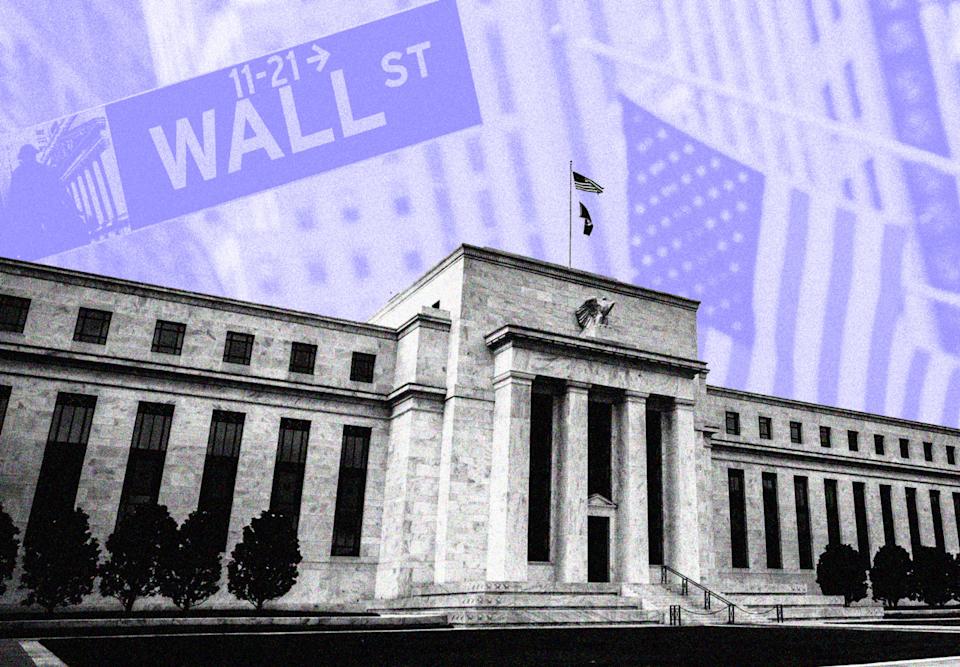
Since December 12, the Federal Reserve has been actively acquiring Treasury bills, a move confirmed by the Treasury Department. Over the past two months, these purchases have exceeded $90 billion in short-term government securities, playing a key role in maintaining stability within the financial system.
While Fed officials describe these actions as technical steps to ensure the smooth operation of short-term money markets, some observers see similarities to quantitative easing. Regardless of the terminology, the central bank’s intervention has helped stabilize both short- and long-term interest rates, which is already affecting everyday Americans.
Trending Stories from MarketWatch
Those seeking mortgages or long-term business loans in 2026 may have noticed that borrowing costs have remained relatively stable. This is partly due to the Fed’s ongoing monthly purchases of short-term Treasury bills, which have eased pressure in overnight lending markets and indirectly helped keep longer-term rates in check. The central bank outlined this strategy last December.
According to John Luke Tyner, a portfolio manager at Aptus Capital Advisors, “The Fed’s actions are providing much-needed stability not just for short-term bills, but also for longer-term notes and bonds. This has translated into more predictable borrowing costs for both consumers and businesses, creating a more favorable lending environment this year.”
Details about the Fed’s Treasury bill purchases, which began in mid-December, were shared by a senior Treasury official during the department’s quarterly refunding update. The Treasury announced it would keep auction sizes for notes and bonds unchanged for the coming quarters, while closely monitoring both the Fed’s activity and increasing private sector demand for short-term debt.
Following the Treasury’s announcement, bond markets showed little reaction, with yields on securities ranging from 1-month bills to 30-year bonds remaining largely unchanged. Treasury Secretary Scott Bessent noted that bond market volatility is currently at its lowest level in five years. However, the following day, demand for U.S. government debt increased as investors reacted to a report showing a surge in job cuts in January, leading to a drop in yields, especially for the 3-year note. Economist Derek Tang of Monetary Policy Analytics remarked that the Fed’s December announcement “soothed the market” and gave the central bank flexibility to expand its purchases beyond just short-term bills.
How Fed Actions Benefit Borrowers
By keeping short-term bill markets stable, the Fed helps prevent disruptions from spreading to longer-term debt, resulting in a more consistent borrowing environment for both households and businesses, Tang explained.
This stability is advantageous for many Americans. Tom Graff, chief investment officer at Facet, emphasized that everyday interest rates, such as those for mortgages, are influenced by numerous factors. “The Treasury’s ability to issue more bills, bonds, and debt is a major factor in determining rates. When the Fed buys more of this debt, there’s less for the public to absorb, which helps keep rates from rising,” Graff said.
More Top Reads from MarketWatch
Disclaimer: The content of this article solely reflects the author's opinion and does not represent the platform in any capacity. This article is not intended to serve as a reference for making investment decisions.
You may also like
Here is what industry veterans are saying as bitcoin tumbles below $70,000
Why Amazon (AMZN) Stock Is Declining Today
Why Is Regal Rexnord (RRX) Shares Surging Today
Why Eli Lilly (LLY) Stock Is Plummeting Today
Trending news
MoreCrypto prices
More





