
Andrew Bailey ‘causing harm to taxpayers’ by not lowering interest rates

Bank of England Faces Criticism Over Interest Rate Decision
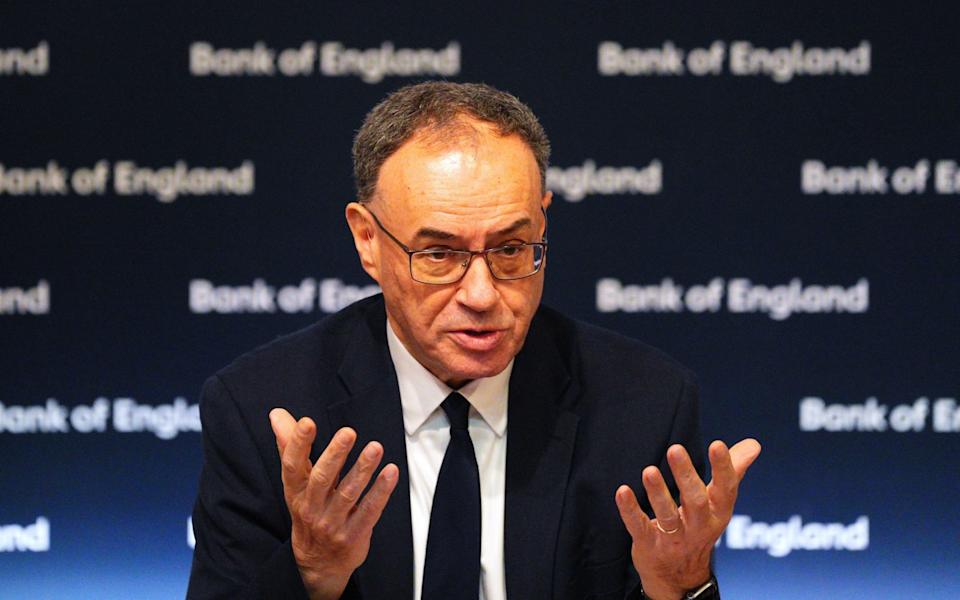
Governor Andrew Bailey has come under fire for maintaining current interest rates despite the UK economy showing signs of slowing and unemployment on the rise.
Experts have cautioned that the Bank of England’s choice to keep rates steady at 3.75% is putting extra pressure on both the economy and taxpayers. The decision, made by a narrow margin with the Governor casting the deciding vote, has sparked debate among economists.
The Institute for Public Policy Research (IPPR), a think tank with ties to the Labour Party, argued that the Bank missed a crucial chance to lower rates, suggesting that officials were reacting to short-term fluctuations in inflation rather than long-term trends.
In its latest economic assessment, the Bank revised its growth projections downward for the next two years and warned that the risk of a significant increase in unemployment has grown.
Threadneedle Street noted that Rachel Reeves’s recent move to reduce energy bills by an average of £134 should help bring inflation back to the 2% target by spring.
Bailey described this as a positive development, indicating that further rate reductions are likely this year to stimulate the economy. Investors are now expecting two more rate cuts before the year ends.
However, Bailey emphasized that he would prefer to see clearer evidence of declining wage growth before supporting a reduction in borrowing costs.
Calls for Swift Action
William Ellis from the IPPR criticized the Bank’s decision, stating it missed an obvious opportunity to ease interest rates and arguing that the move adds unnecessary burdens on the economy and taxpayers.
Ellis urged policymakers to act decisively to lower borrowing costs, highlighting that despite easing inflation and slower wage increases, unemployment continues to climb, and the Bank’s stance is hindering economic growth.
Concerns Over Unemployment and Tax Policy
Bank officials have warned that unemployment is likely to remain elevated over the next three years, attributing this in part to recent tax hikes introduced by Rachel Reeves.
Suren Thiru of the Institute of Chartered Accountants in England and Wales noted that both families and businesses are still feeling the effects of repeated tax increases, and that persistently high borrowing costs are a setback for many.
Thiru added that although the Bank’s forecast for lower inflation suggests more rate cuts are on the horizon, the current approach to easing monetary policy remains extremely cautious, with rates already close to neutral.
The decision to keep rates unchanged followed a split vote among the Monetary Policy Committee, with four out of nine members favoring an immediate cut to 3.5%. Concerns about ongoing wage growth, especially in the public sector, led the majority to maintain the current rate.
Economic Outlook and Growth Forecasts
This marks the second time in three months that Bailey has cast the deciding vote to hold rates steady, even as evidence mounts that economic momentum is fading.
The Bank has warned that unemployment could peak at 5.3%, and rejected the notion that higher joblessness is an acceptable trade-off for reaching the inflation target. Bailey stressed that reducing unemployment is not something the Bank takes lightly.
Bank staff have attributed the expected rise in unemployment over the next three years to both tax increases and significant hikes in the minimum wage. They noted that overall employment growth has stagnated over the past year, with young people particularly affected by rising joblessness.
As a result, the Bank has lowered its growth forecast for this year to 0.9%, down from 1.2% predicted last November, and expects growth to reach 1.5% in 2027, slightly below previous estimates. The Bank also warned that delayed tax increases will continue to weigh on economic performance for the remainder of the parliamentary term.
Inflation and Future Rate Cuts
Bailey commented that inflation is expected to fall back to around 2% by spring, which is encouraging news. He added that if this trend continues, there should be room for additional rate cuts later in the year.
The Bank highlighted that recent measures to reduce energy bills and freeze rail fares will help lower inflation by 0.5 percentage points, with price growth projected to drop below 2% by early next year.
However, new taxes on electric vehicles and gradual increases in fuel duty are expected to push inflation higher from 2027, potentially offsetting short-term gains in GDP growth.
Disclaimer: The content of this article solely reflects the author's opinion and does not represent the platform in any capacity. This article is not intended to serve as a reference for making investment decisions.
You may also like
USDC Treasury mints 250 million USDC, influencing liquidity and institutional trading.
Reports claim VTB and Mosinzhproekt settled a Moscow metro contract in digital ruble, though not verified.
ISM Services PMI in January reads 53.8, indicating ongoing sector expansion despite a slight drop.
Trending news
MoreCrypto prices
More





