
Tech-led selloff drags Asian stocks; Indonesia tumbles on Moody's outlook cut

By Sneha Kumar and Roshan Thomas
Feb 6 (Reuters) - South Korean equities extended declines on Friday as investors continue to retreat from tech stocks, while Indonesian shares fell over 2% after Moody's lowered the country's credit rating outlook, the latest blow to Southeast Asia's largest economy.
The MSCI gauge of emerging Asian equities slipped 0.5%, pressured by a 1.7% drop in South Korea's KOSPI index, while a broader gauge of Asian equities excluding Japan fell as much as nearly 2%.
In Seoul, chipmakers Samsung Electronics and SK Hynix fell 1.2% and 0.2%, respectively, sending the regional information technology gauge about 2.4% lower.
Markets were jolted this week after AI firm Anthropic unveiled a new legal tool for its Claude chatbot, raising worries over broader disruption to information technology and software service sector. [.N]
"With U.S. tech wobbling, sentiment tend to trickle over to Asian tech as well, particularly after a strong run that left positioning looking stretched," said Zavier Wong, market analyst at eToro.
"What we're seeing now feels more like investors de-risking and locking in gains rather than a sign that the broader tech theme is breaking down."
In Southeast Asia, Indonesia's Jakarta Composite Index dropped 2% in early trade and the rupiah weakened to 16,885 per U.S. dollar, its lowest point since January 22.
Investor confidence in Indonesia has taken a hit due to growing concerns around policy uncertainty under President Prabowo Subianto, including a widening fiscal deficit and central bank independence.
Foreign investors pulled $1 billion from equities in 2025, according to exchange data. Outflows have accelerated since mid-last week after MSCI warned of a potential downgrade to frontier-market status and Moody's downgraded the country's credit rating outlook on Thursday.
"In the near-term, onshore financial markets are likely to witness knee-jerk weakness due to the outlook change, with much onus on the domestic policy response thereafter," DBS analysts wrote.
"An outlook change doesn't carry immediate changes in rating-sensitive investment mandates, although there might be lower appetite to build additional exposure, besides a higher preference for shorter-tenor papers."
Stocks in Malaysia, the Philippines and Taiwan were largely unchanged, while Singapore shares dropped 0.7% and Thailand's SET Index rose 0.5%.
Among currencies, the South Korean won hovered around 1,470.60 a dollar, its weakest level in more than two weeks, while the Thai baht appreciated around 0.2%.
Disclaimer: The content of this article solely reflects the author's opinion and does not represent the platform in any capacity. This article is not intended to serve as a reference for making investment decisions.
You may also like
Aussie Dollar Remains Unstable Amid Fluctuations This Thursday
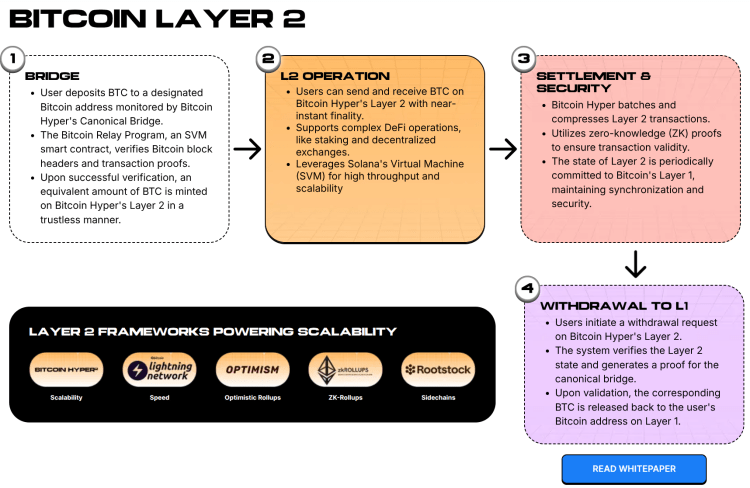
Metaplanet Buys More $BTC, as Investors Eye $HYPER Gains
Explore Why PI Tokens Dive to All-Time Lows
Global software, data firms slide as AI disruption fears compound jitters over $600 billion capex plans
Trending news
MoreCrypto prices
More





