
Yen Drops as Japan’s Takaichi Set for Overwhelming Election Victory

Yen Slides After LDP Secures Majority in Japan’s Election
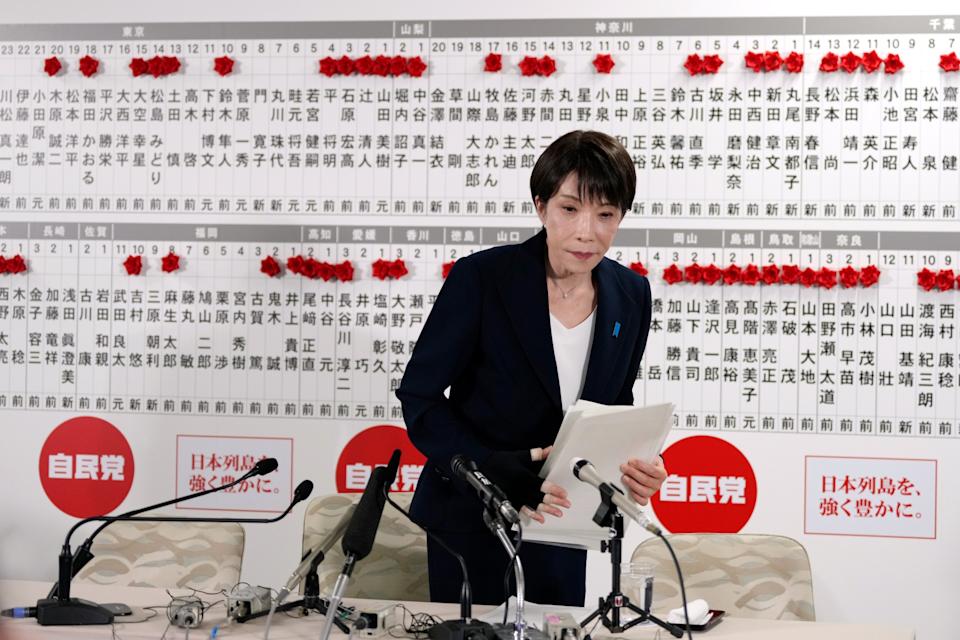
Photographer: Toru Hanai/Bloomberg
Following a decisive victory by Japan’s Liberal Democratic Party in the lower house elections, the yen experienced a slight decline. This outcome paves the way for Prime Minister Sanae Takaichi to introduce further fiscal stimulus measures.
In early trading on Monday in Asia, the yen weakened by 0.3% to 157.62 per US dollar, marking its lowest point in over two weeks. According to NHK, the LDP achieved a two-thirds supermajority in the 465-seat lower house, the largest share of seats held by any party in Japan’s postwar history.
Top Stories from Bloomberg
Speculation about Japan’s fiscal health has intensified since Takaichi called for early elections and proposed a temporary reduction in the sales tax on food. Many market participants believe her win could lead to an increase in Japan’s already significant national debt.
Shoki Omori, chief desk strategist at Mizuho Securities in Tokyo, commented, “A clear election win is likely to strengthen expectations for aggressive government spending in the near term, which could prompt further short-term selling of the yen.”
If the yen continues to depreciate, it may approach levels where officials have previously intervened. Traders are closely monitoring the 159.45 per dollar mark, last seen in mid-January, which was the weakest level for the yen since 2024. The currency’s drop to that point last month sparked rumors that Japanese authorities might step in to stabilize it.
Japanese policymakers have signaled that they are more focused on the speed and volatility of currency movements rather than targeting specific exchange rates.
Ongoing weakness in the yen is influencing expectations for the Bank of Japan’s next moves. Overnight index swaps now suggest a rising probability of a rate increase by April.
The yen saw a sharp rebound on January 23 after reports of rate checks by the Federal Reserve Bank of New York. However, it soon resumed its decline after US Treasury Secretary Scott Bessent clarified that the US had no plans to intervene in currency markets. Additionally, Takaichi’s remarks that a weaker yen could benefit Japanese exporters have contributed to the currency’s recent slide.
Chidu Narayanan, chief Asia-Pacific strategist at Wells Fargo, advised clients, “Expect more verbal intervention as the dollar-yen rate nears 159. We anticipate further upward movement in USD/JPY in the short term, with actual intervention more likely if it approaches 162.”
Additional Noteworthy Reads from Bloomberg Businessweek
Reporting contributed by Umesh Desai and Michael G. Wilson.
Currency updates and strategist commentary included.
©2026 Bloomberg L.P.
Disclaimer: The content of this article solely reflects the author's opinion and does not represent the platform in any capacity. This article is not intended to serve as a reference for making investment decisions.
You may also like
Altcoin Season Index Reveals Stunning 24 Score as Bitcoin Dominance Intensifies
Central Bank Insights: Federal Reserve, Bank of England, and Bank of Japan
Trending news
MoreCrypto prices
More





