The decline of annual inflation in the United States to 2.4% this January has refocused attention on the impact of tight monetary policy in asset markets. Despite a brief pause in liquidity tightening forecasted for December 2025, risk appetite in financial markets has not seen a significant boost, and the widely anticipated monetary expansion has yet to materialize. A recent report from CryptoQuant highlights that capital inflows remain hesitant, with little evidence of widespread bullish sentiment.
US Bonds and the Move Toward Bitcoin
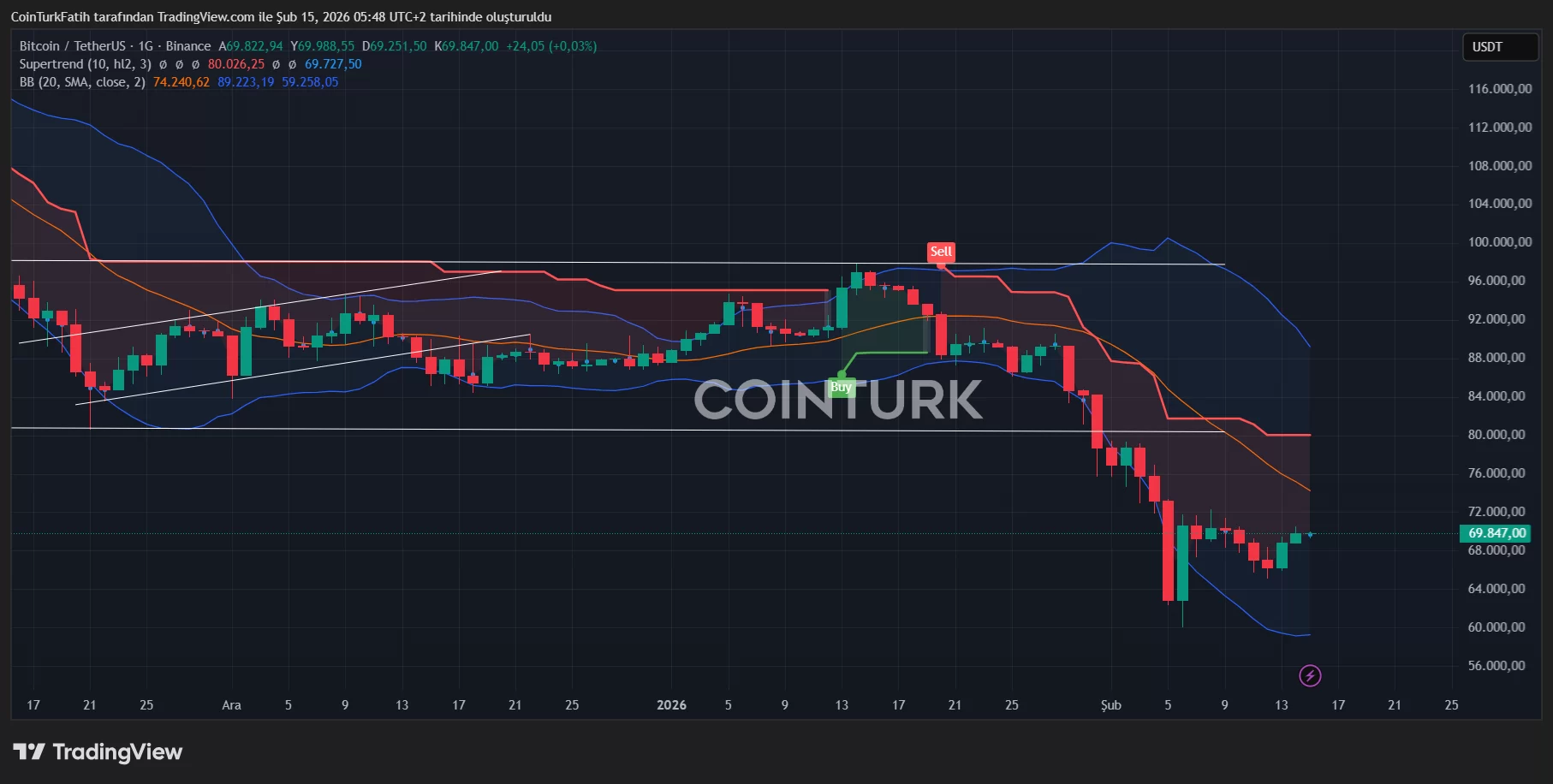
US 10-year Treasury yields have fallen to 4.08%, reflecting a clear turn toward safer investments. This defensive stance in capital allocation has led some analysts to interpret a structural shift from traditional markets into Bitcoin. According to CryptoQuant, the wary atmosphere seen across financial markets is being mirrored in Bitcoin’s behavior as well.
Blockchain Data: The Accumulation Phase and the WTBIH Framework
On-chain analytics reveal that, over the past 30 days, wallets have amassed a total of 387,930 bitcoins—an amount that exceeds the monthly average. This uptick in accumulation suggests that large-scale investors are showing renewed interest in cryptoassets, even amid ongoing macroeconomic uncertainties. The report also examines Bitcoin’s status as a hedge using the “When The BTC Is Hedge” (WTBIH) indicator.
Current Readings in the WTBIH Indicator
The WTBIH framework combines the daily crypto speculation index, the monthly consumer price index (CPI), and business-day-based bond flow data. The latest numbers are as follows:
- The annual change in the CPI stands at 2.4%, signaling a disinflationary environment.
- Bond market “safe haven” flows score just 24 points, below the macro trigger threshold.
- The crypto speculation index measures 1.74, far from the speculative benchmark.
- WTBIH conviction registers at 55.74, which is insufficient to confirm Bitcoin’s hedge role.
These figures confirm that technical accumulation in Bitcoin remains steady, yet the asset has not, by these measures, fully established itself as a macroeconomic hedge.
The report notes that while speculative risk has dramatically subsided, leveraged selling activity continues to exert influence in the market. For Bitcoin to qualify under the WTBIH model as a “Digital Treasury,” bond flow needs to surpass 30 points and conviction must rise above 70. As it stands, the evidence points to Bitcoin remaining in an accumulation phase, rather than serving as a definitive haven asset.
The maturing structure of Bitcoin is underscored by the ongoing accumulation trend and the fading of speculative pressures. However, the report emphasizes that more robust macroeconomic capital inflows are required for Bitcoin’s full hedging function to come into play.
Current data suggests that investors are starting to increase their protective positions in Bitcoin. Nonetheless, the decisive global confirmation of Bitcoin as a primary hedge asset is still lacking.