
Options Exchanges Seek to Eliminate a Fee Structure They Say Is Illogical

US Options Exchanges Propose Overhaul of Regulatory Fee Structure
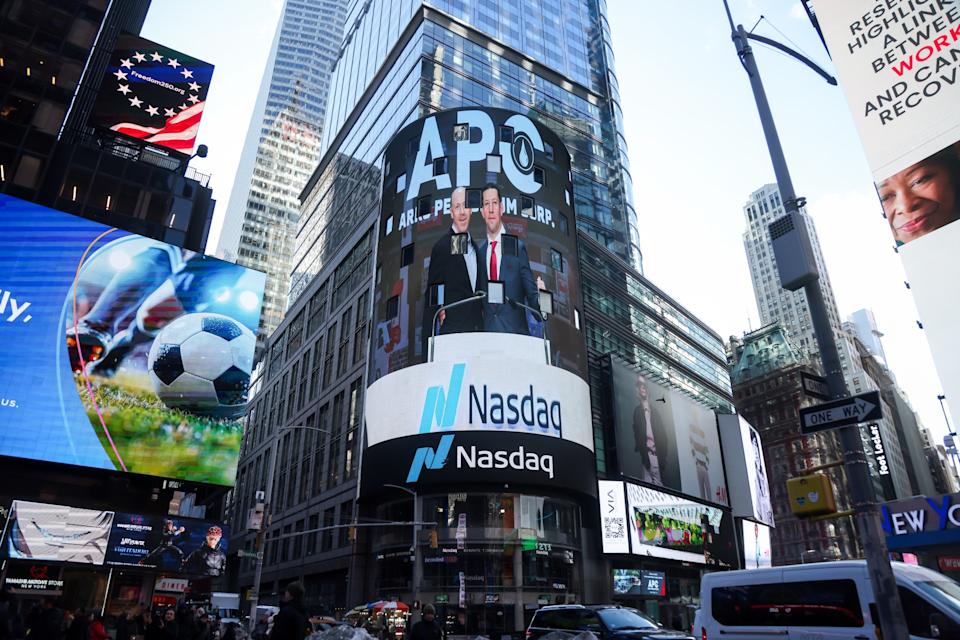
Photo by Michael Nagle/Bloomberg
US options exchanges are advocating for a significant shift in how regulatory fees are assessed, aiming to end a long-standing system that lets them collect fees on trades executed at competing exchanges.
The Options Regulatory Fee (ORF) is a collective charge imposed by exchanges on customers trading options. Funds gathered by the Options Clearing Corp.—the central clearinghouse for US equity options—help exchanges offset regulatory expenses, including market monitoring and compliance.
Trending Stories from Bloomberg
The current ORF system has long been a point of contention, especially as trading volumes have surged since the pandemic and with the popularity of zero-day-to-expiry contracts. Under the existing rules, customers may be charged by exchanges that do not even list the contracts they are trading, in addition to those that do.
Although the fee per contract is typically just a fraction of a cent, these charges accumulate and increase overall trading costs. According to sources familiar with the matter, exchanges are believed to have collected between $181 million and $234 million from ORF fees in 2025 alone.
This arrangement is unusual—few other sectors allow competitors to levy fees on transactions occurring at rival firms. Now, major exchanges such as Cboe Global Markets Inc., Nasdaq Inc., and Miami International Holdings, Inc. have petitioned the Securities and Exchange Commission (SEC) to adopt a model where each exchange only charges ORF on trades executed on its own platform.
“Currently, many options exchanges can generate revenue from transactions that don’t take place on their own markets,” explained Greg Hoogasian, Cboe’s chief regulatory officer. “Our goal is to address this fundamental issue by moving to a more logical and sustainable approach.”
Supporters of the reform are pushing for an “eat what you kill” system, meaning exchanges would only collect fees on trades that occur on their own venues.
For instance, Cboe is the exclusive provider of S&P 500 Index options, a proprietary product. Yet, under the current rules, other exchanges are still able to collect ORF fees whenever an SPX contract is traded.
Debate Over Proprietary Products
Hoogasian noted, “When it comes to proprietary products, it’s illogical for other exchanges to impose fees. There’s no regulatory justification for them to oversee SPX transactions, since it’s our own product and our compliance team monitors that activity.”
Complex Marketplace and Growing Costs
The US options market is highly regulated, requiring all trades to be executed through an exchange. Single-stock options are interchangeable across venues, so contracts bought on one exchange can be sold on another. Since 2006, the number of US options exchanges has grown from six to eighteen, with two more expected to launch soon. This proliferation raises concerns about increased costs for traders and gives an edge to the largest market makers, who can afford to connect to multiple venues.
Some established exchanges argue that the current rule benefits new entrants, allowing them to collect regulatory fees in proportion to their trading volume.
Another frequent criticism is the lack of a standardized fee: each exchange sets its own ORF based on its regulatory budget, and collection methods vary. Some exchanges charge the fee regardless of where the trade occurs, while others only collect on trades within their own corporate group.
Calls for Reform and Regulatory Oversight
The debate over ORF structure is not new. Market makers have long advocated for changes, with Optiver publishing a call for reform in April 2024. Nasdaq proposed eliminating ORF charges on non-Nasdaq trades in November 2024, but the plan stalled when other exchanges did not support it.
Not all exchanges are on board with the proposed changes. For example, BOX Options Exchange, partially owned by TMX Group, has not yet submitted a formal proposal regarding ORF reform and declined to comment on the matter.
While each exchange sets its own policies, they do so in consultation with the SEC. In May, SEC commissioner Hester Peirce confirmed that the agency is reviewing the issue.
“We typically avoid roundtable discussions with other exchanges about their practices to steer clear of potential antitrust concerns,” said Hoogasian. “However, we do incorporate SEC feedback into our strategies and filings.”
He added, “Ultimately, it’s up to the regulator to work with the exchanges on what is appropriate.”
Most Read from Bloomberg Businessweek
©2026 Bloomberg L.P.
Disclaimer: The content of this article solely reflects the author's opinion and does not represent the platform in any capacity. This article is not intended to serve as a reference for making investment decisions.
You may also like
How it’s possible for economic data to appear ‘bad’ yet still be considered ‘positive’
Altcoins Heat This Valentine’s Week: 5 Coins Flashing 80% Upside as MACD Signals a Major Breakout
Tyler Neville: Market euphoria signals looming corrections | Bell Curve

Dogecoin (DOGE) Rises 20% Amid Active Weekend Trading

Trending news
MoreCrypto prices
More





