
Top 20 U.S. Stocks by Trading Volume on February 24: IBM Shares Plunge 13%, Core Business Faces AI Threat
On Monday, Nvidia ranked first in US stock trading volume, closing up 0.96% with a turnover of $32.492 billion. Nvidia announced on Monday that it is collaborating with Akamai, Forescout, Palo Alto Networks, Xage Security, and Siemens to bring accelerated computing and artificial intelligence into the field of industrial control system (OT) cybersecurity.
Securities firm Aletheia upgraded Nvidia's rating from hold to buy, with a target price of $250. The firm believes the stock is “too cheap to ignore” ahead of Nvidia’s Q4 earnings report and expects its performance to exceed expectations.
Second place, Tesla, closed down 2.91% with a turnover of $27.558 billion. Recently, Tesla's official account announced the launch of the Cybertruck Dual Motor All-Wheel Drive version, priced at $59,990. Musk stated that this price is “only valid for 10 days.” When a user asked, “What will the price be after 10 days?” Musk replied, “It depends on the demand we see at this price point.”
In addition, OpenAI’s Sam Altman said that building space-based data centers before 2030 is “absurd.” Although Alphabet is exploring related concepts, experts say engineering and cost barriers mean any large-scale implementation will take years. Musk's broader plans also incorporate cooperation between SpaceX and xAI, while other companies such as Amazon may seek financing in the future.
Third place, Microsoft, closed down 3.18% with a turnover of $16.604 billion. On Monday, Microsoft stated that it is investigating an issue where US users may encounter a 504 gateway timeout error when trying to access services requiring multi-factor authentication (MFA).
Fourth place, Sandisk, closed up 2.54% with a turnover of $12.44 billion. Sandisk recently officially launched an innovative open-source tool, SPRandom, designed to address major technical bottlenecks in SSD benchmarking. In short, preprocessing is a key step in testing SSDs based on real workloads to ensure accurate and repeatable performance that truly reflects customer usage.
Ninth place, Palantir, closed down 3.43% with a turnover of $6.785 billion. The company recently announced a strategic partnership with Rackspace (RXT.US). Through hybrid multi-cloud and AI solutions, both parties aim to accelerate the deployment and operation of Palantir analytics and AI-driven software for enterprises.
Twelfth place, Meta Platforms, closed down 2.81% with a turnover of $5.491 billion. The company expects first-quarter revenue to grow by about 30% and plans $115–135 billion in capital expenditures for 2026, mainly for artificial intelligence. Netflix, under a similar valuation multiple, expects revenue growth of 12% to 14% in 2026. Analysts point out that Meta's forward P/E ratio is close to the level of the S&P 500 Index.
Fourteenth place, CrowdStrike, closed down 9.85% with a turnover of $5.324 billion. On Monday, US cybersecurity stocks generally fell. Wedbush Securities’ renowned analyst Dan Ives said the sector was hit by “phantom trading” in artificial intelligence.
Fifteenth place, Eli Lilly, closed up 4.86% with a turnover of $5.006 billion. On Monday, the company launched a new formulation of its blockbuster weight-loss drug Zepbound—a single-dose injection pen that provides a month’s supply. Self-pay patients can purchase the multi-dose device, called KwikPen, through the company’s direct website LillyDirect, with the lowest monthly dose starting at $299.
This injection pen offers a more convenient option for patients, reducing the number of devices needed for monthly medication to a single pen that covers four weeks of injections. Currently, patients receiving treatment need to use different single-dose auto-injectors every week. Eli Lilly also offers single-dose vial Zepbound, which requires users to draw and inject the medication themselves.
This move comes as Eli Lilly seeks to consolidate Zepbound's early success, with demand surging since its launch at the end of 2023. The LillyDirect platform is crucial for Zepbound’s market growth, and launching the new formulation on this platform is expected to attract more patients. The robust growth of Zepbound has helped Eli Lilly capture the majority share of the weight-loss drug market from rival Novo Nordisk. In the fourth quarter, the drug generated $4.2 billion in US revenue, soaring 122% year-on-year.
Sixteenth place, IBM, closed down 13.15% with a turnover of $4.472 billion. IBM has become the latest visible casualty amid the rapid development of artificial intelligence technology. Previously, Anthropic announced that its Claude Code tool can be used to modernize legacy systems running the COBOL language.
On Monday, Anthropic announced that Claude Code can automate the most complex code exploration and analysis tasks in COBOL modernization, causing IBM’s stock price to plummet. COBOL-related business is one of IBM’s core businesses. For a long time, IBM has sold mainframe systems optimized for large-scale transaction processing, which commonly use the COBOL language.
COBOL stands for Common Business-Oriented Language, a mainstream code system developed in the late 1950s, widely used in business data processing such as payment processing and retail transaction systems. According to Anthropic, about 95% of US ATM transactions run on COBOL, making it a prime target for cost-effective AI technology disruption.
“Hundreds of billions of lines of COBOL code run in production environments every day, supporting key systems in finance, aviation, and government sectors. Nevertheless, the number of people truly proficient in this language is decreasing every year,” Anthropic wrote in a Monday blog post. “AI is particularly good at simplifying tasks that previously made COBOL modernization prohibitively expensive.”
Anthropic states that Claude Code can help modernize COBOL codebases: mapping dependencies among thousands of lines of code, generating workflow documentation, and identifying risk points that “would take human analysts months to discover.”
The blog post says: “Legacy code modernization has stalled for years because understanding old code costs more than rewriting it. AI has completely changed this situation.”
This new application scenario is another move by Anthropic to disrupt traditional legacy code systems and intervene in enterprise digital transformation. The company stated that digital transformation in enterprises is hindered in part by declining developer efficiency and ‘technical debt.’ Technical debt refers to the future costs caused by shortcuts taken during software development, leading to increased maintenance costs for enterprises.
Twentieth place, Novo Nordisk, closed down 16.43% with a turnover of $3.939 billion. Novo Nordisk’s new-generation weight-loss drug CagriSema underperformed Eli Lilly’s Zepbound in head-to-head clinical trials, dealing a new blow to the Danish pharmaceutical company’s efforts to regain leadership in the weight-loss drug market.
Editor: Zhang Jun SF065
Disclaimer: The content of this article solely reflects the author's opinion and does not represent the platform in any capacity. This article is not intended to serve as a reference for making investment decisions.
You may also like
Bitcoin Faces Fourth Straight Monthly Decline as Historical Patterns Reemerge
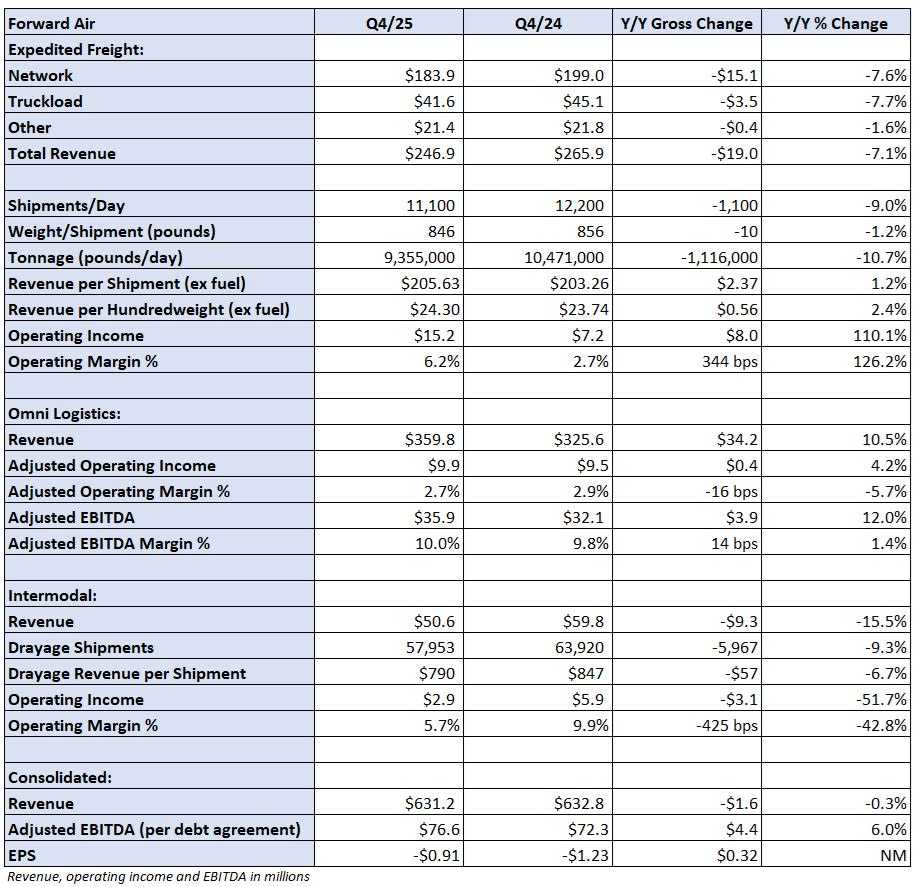
Forward Air states that its strategic review is close to completion
Implied Volatility Surging for Kirby Stock Options
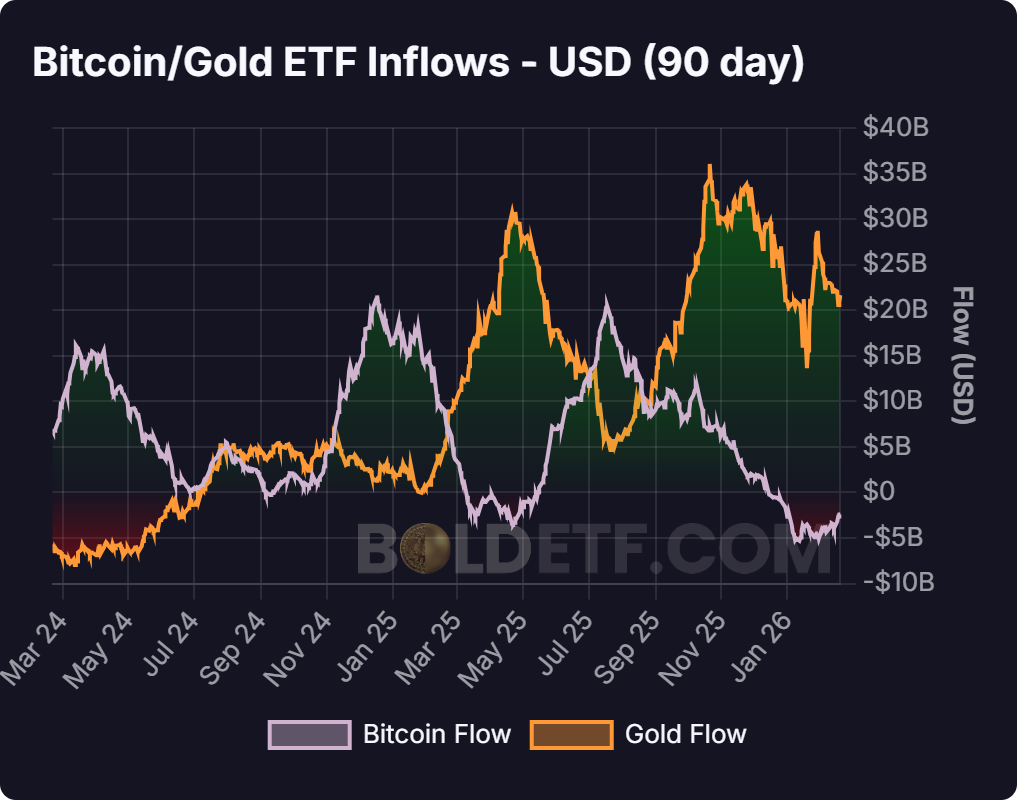
Are Bitcoin ETFs quietly accumulating or just not selling? The flow data that matters
Trending news
MoreCrypto prices
More





