
EU Expects US to Soften Metal Tariff Effects in the Next Few Weeks

US Expected to Ease Tariffs on Steel and Aluminum Products
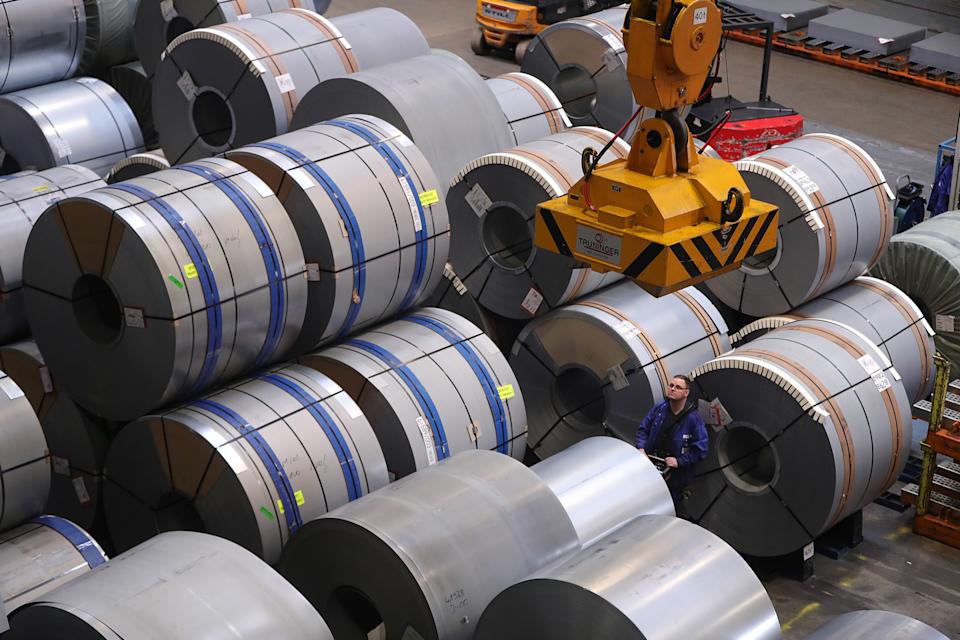
Photographer: Krisztian Bocsi/Bloomberg
According to European Union officials, the United States is likely to simplify its extensive tariffs on goods containing steel and aluminum in the near future. These tariffs have been a persistent challenge in US-EU trade relations and a major obstacle in ongoing negotiations.
Sources familiar with the EU’s perspective suggest that the Trump administration may soon reduce the number of items subject to the 50% tariff rate on so-called derivative products made with these metals. This adjustment could take place within weeks.
Top Stories from Bloomberg
The European Union has consistently pushed for relief from these sweeping metal tariffs, arguing that they violate the trade agreement reached last year, which capped most tariffs on European goods at 15%. The US frequently updates the list of derivative products, expanding the number of items subject to the 50% tariff—now totaling over 400 goods.
“Our US counterparts have assured me they recognize the significance of this issue for us and are actively reviewing it,” said Maros Sefcovic, the EU’s trade commissioner, during a briefing with lawmakers on Tuesday. “We hope to receive positive news on this front soon.”
The US Trade Representative’s office did not immediately respond to requests for comment.
It’s important to note that the anticipated changes would not affect tariffs on basic steel and aluminum commodities.
The ever-growing list of derivative products has made it increasingly difficult for exporters to determine the metal content in their goods, diminishing the advantages of last year’s trade deal.
These potential developments come at a tense time for US-EU relations. The US Supreme Court recently invalidated the use of emergency powers by President Trump to impose reciprocal tariffs globally, casting doubt on the ratification of the US-EU trade agreement.
Following the court’s decision, the US introduced an additional 10% worldwide tariff on top of existing most-favored nation duties, raising tariffs on certain EU exports above the limits set in the US-EU trade pact.
In response, the European Parliament has paused its legislative process for approving the EU-US agreement, seeking clarification on the new US trade strategy.
Despite these challenges, both the US and EU have expressed a desire to maintain the agreement, though transitioning to a new trade framework could take several months, according to sources who requested anonymity.
Further Developments
Maros Sefcovic has held several discussions with US officials in recent days and updated EU ambassadors on the situation earlier this week.
More from Bloomberg Businessweek
©2026 Bloomberg L.P.
Disclaimer: The content of this article solely reflects the author's opinion and does not represent the platform in any capacity. This article is not intended to serve as a reference for making investment decisions.
You may also like
ONDS vs. DPRO: Which Drone Tech Stock Is the Better Pick Now?
Transaction in Own Shares

Qualcomm Stock Rises Following Dual Upgrades
What's Going On With Vanda Pharma Stock Tuesday?
Trending news
MoreCrypto prices
More





