
AMDY Achieves 75.8% Yield: How the Market Has Already Factored It In

Examining the YieldMax AMD Option Income Strategy ETF (AMDY): Yield vs. Reality
The YieldMax AMD Option Income Strategy ETF (AMDY) boasts a headline yield of 75.8%, a figure that immediately grabs attention. However, this impressive number is more a reflection of market expectations than a guaranteed outcome. Rather than being derived from AMD stock dividends, this yield is generated through a synthetic covered call approach—selling call options on AMD shares. This method introduces a significant disconnect: while investors are drawn by the promise of high income, the strategy inherently limits upside potential if AMD's price rises and still exposes holders to the full downside if AMD's value falls.
As a result, investors are left with unrestricted exposure to AMD’s price declines but only a capped benefit from any gains. The income distributed is not a regular dividend from business operations, but rather fluctuates with option premiums, which are highly sensitive to market volatility. This dependence on volatility has led to sharp reductions in payouts, highlighting the instability of the income stream. For example, the average distribution has dropped from $0.84 in 2024 to $0.39 so far in 2026, signaling a clear downward adjustment in expectations.
Ultimately, the 75.8% yield is a projection based on current option pricing, not a promise of future returns. The fund’s structure restricts upside while leaving investors exposed to losses, with the high yield serving as compensation for this risk. Yet, the recent decline in distributions suggests that the market may already be overestimating the fund’s ability to deliver on its income promise.
The Disconnect: AMD's Strong Performance vs. Fund Income Instability
There is a clear mismatch between the fund’s income profile and AMD’s underlying business strength. While the fund’s payouts have been shrinking, AMD itself has been performing exceptionally well, generating $5.52 billion in free cash flow in 2025—a remarkable 129% increase year-over-year. Normally, such robust cash generation would support a reliable and growing dividend. However, for AMDY, this financial strength only translates into variable option premiums, not stable income for investors.
The fund’s net asset value (NAV) has fallen by 11.2% year-to-date, reducing the capital base that supports distributions. This decline, which mirrors AMD’s own price movement, directly undermines the fund’s income potential. In effect, the fund is losing value on its core holding while attempting to maintain a high yield. Over the past three years, the fund has cut its dividend 17 times, underscoring the vulnerability of its payouts to changing market conditions.
In summary, the fund’s yield is driven by market volatility rather than AMD’s business fundamentals. High volatility boosts option premiums and distributions, but when volatility subsides—as seen in late 2025—payouts shrink. This creates a scenario where the advertised yield assumes continued high volatility, even as the fund’s NAV erosion signals that downside risks are already being factored in. AMD’s strong financials do little to stabilize the fund’s income, which remains inherently unpredictable.
Backtest: Mean Reversion Long-Only Strategy for AMD
- Entry Rule: Buy when AMD closes more than twice the 14-day ATR below its 20-day SMA.
- Exit Rule: Sell when the price closes above the SMA, after 10 days, or if a 5% take-profit or stop-loss is triggered.
- Risk Controls: 5% take-profit, 5% stop-loss, maximum holding period of 10 days.
Backtest Results
- Total Return: 37.5%
- Annualized Return: 12.29%
- Maximum Drawdown: 26.86%
- Profit-Loss Ratio: 1.3
- Total Trades: 31
- Winning Trades: 15
- Losing Trades: 11
- Win Rate: 48.39%
- Average Hold Days: 2.39
- Max Consecutive Losses: 2
- Average Win Return: 5.34%
- Average Loss Return: 3.94%
- Largest Single Gain: 23.82%
- Largest Single Loss: 6.72%
Catalysts and Risks: What Could Shift Market Expectations
The gap between the fund’s yield and its underlying reality is not fixed; it is likely to be challenged by upcoming events and market shifts. The fund’s design creates a binary risk scenario, where AMD’s next price movement could either widen the gap or force a re-evaluation of investor expectations.
If AMD’s share price experiences a prolonged decline, the fund’s full downside exposure would be realized, and option income may not be sufficient to offset these losses. With the NAV already down 11.2% this year, further weakness in AMD could quickly erode the fund’s capital base and accelerate the decline in distributions, narrowing the gap between the advertised yield and actual payouts.
Conversely, a strong rally in AMD’s stock would cap the fund’s gains and could lead to lower distributions as option premiums adjust. The fund’s approach limits upside if AMD rises, and a sustained rally would likely reduce implied volatility, shrinking the premiums that fund distributions. This could force the fund to cut its payout, even if the NAV is climbing.
A key upcoming event is the next ex-dividend date, with the projected dividend at 0.4118 and the ex-dividend date expected in late January. Given the fund’s history of 17 dividend reductions in three years, any further cut would signal that the market’s optimism about the income stream may be misplaced. Investors will be watching closely to see how the distribution aligns with AMD’s price action and the fund’s NAV.
In summary, AMDY is structured for a high-yield, high-volatility environment. The coming catalysts—whether AMD’s stock falls or surges—will reveal whether the current yield is sustainable or if a reset is on the horizon.
Disclaimer: The content of this article solely reflects the author's opinion and does not represent the platform in any capacity. This article is not intended to serve as a reference for making investment decisions.
You may also like
Negative Funding Rates Drive Short Positions in Bitcoin Futures
Buried Libra, Meta returns with a more cautious stablecoin strategy

ETHZilla stock climbs on Forum rebrand as firm pushes further into tokenized assets
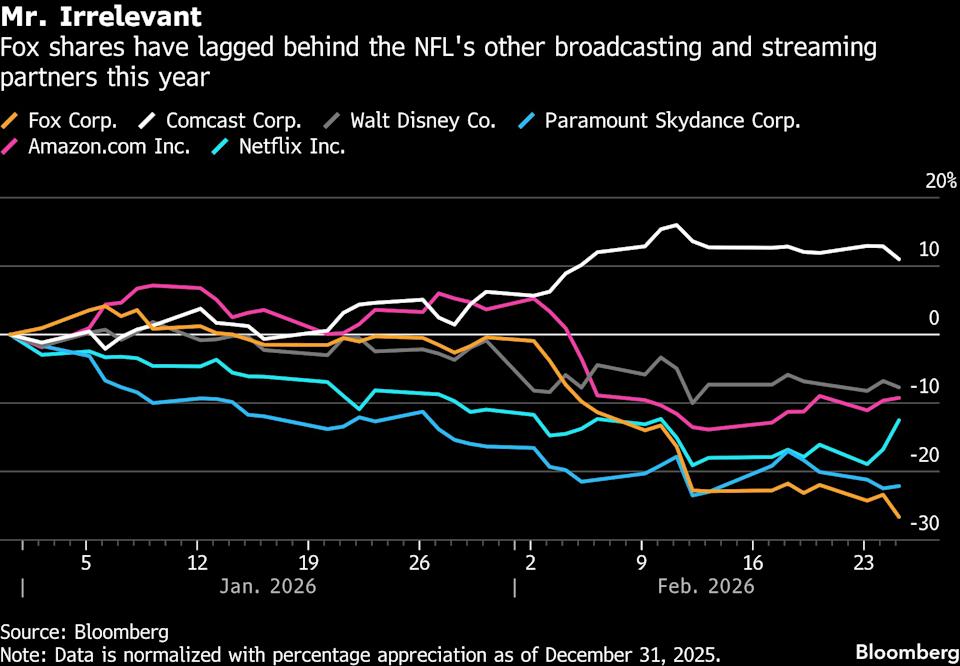
NFL contract concerns lead BofA to slash Fox shares with two-level downgrade
Trending news
MoreCrypto prices
More





