
The White House is urging AI firms to absorb increased costs, and the majority have already agreed to do so.

AI Data Centers Drive Up Electricity Costs
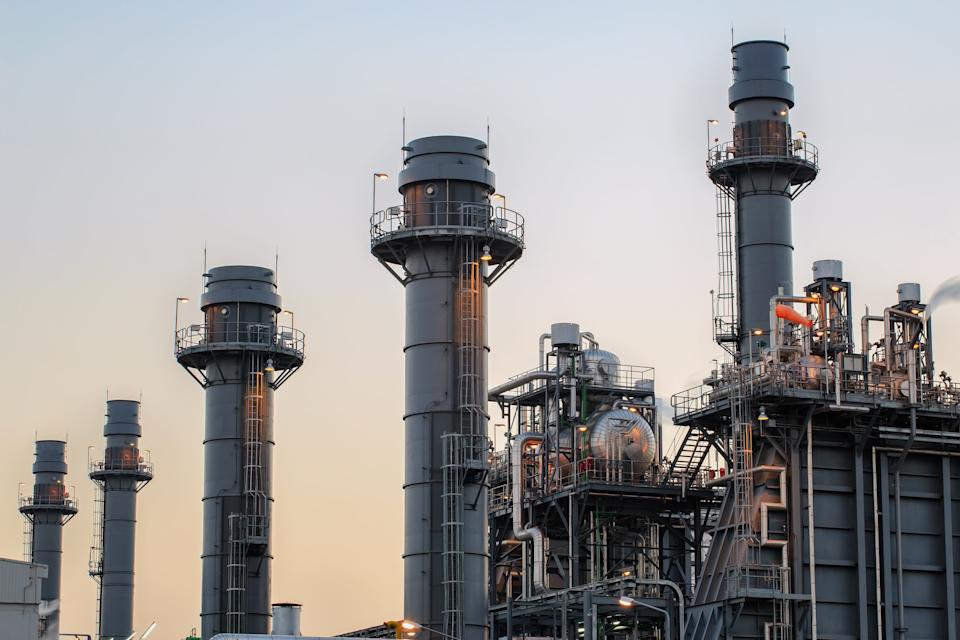
As artificial intelligence data centers connect to the national power grid, the resulting surge in demand has contributed to a rise in consumer electricity rates, with the national average increasing by over 6% in the past year.
This trend poses challenges for current political leaders, especially with elections approaching. President Donald Trump addressed these concerns during his recent State of the Union address.
“We’re telling the major tech companies that they have the obligation to provide for their own power needs,” Trump stated. “They can build their own power plants as part of their factory, so that no one’s prices will go up.”
Major technology firms are already taking steps in this direction. In recent weeks, several have publicly pledged to either generate their own electricity, pay higher rates, or both, as part of efforts to address public concerns about data center expansion and to gain community support.
- On January 11, Microsoft announced a policy to prevent data center electricity costs from being passed on to residential customers.
- On January 26, OpenAI committed to covering its own energy expenses, ensuring its operations do not raise consumer energy prices.
- On February 11, Anthropic made a similar promise to offset any electricity price hikes caused by its data centers.
- Most recently, Google revealed plans for the world’s largest battery project to support a Minnesota data center.
Despite these declarations, it remains unclear how these commitments will be implemented or who will determine which data centers are responsible for specific price increases. The White House has not provided clarification on these points.
Senator Mark Kelly of Arizona expressed skepticism, stating on social media, “A handshake agreement with Big Tech over data center costs isn’t good enough. Americans need a guarantee that energy prices won’t soar and communities have a say.”
White House spokesperson Taylor Rodgesr announced that next week, representatives from major tech companies—including Amazon, Google, Meta, Microsoft, xAI, Oracle, and OpenAI—are expected to officially sign the pledge at the White House. However, none of these companies have confirmed their participation.
Even if technology firms take responsibility for their energy consumption, constructing on-site power plants is not a perfect solution. Such facilities can still negatively affect the local environment and place additional strain on supply chains for natural gas, turbines, solar panels, and batteries, depending on the chosen energy sources.
Disclaimer: The content of this article solely reflects the author's opinion and does not represent the platform in any capacity. This article is not intended to serve as a reference for making investment decisions.
You may also like
Jackson Hewitt Tax Service: What Investors Should Know About Tax Season Trends
Apple's Stock Rises 0.77% Despite 29.7% Volume Drop Ranking Eighth Amid Spain's Regulatory Clampdown
Marriott Vacations Worldwide: Fourth Quarter Earnings Overview
Climb Global: Fourth Quarter Earnings Overview
Trending news
MoreCrypto prices
More





