
TopBuild Stock Drops 3.57% on Earnings Disappointment $330M Volume Surge Pushes It to 418th in Market Activity

Market Snapshot
On February 26, 2026, TopBuildBLD-3.57% (BLD) shares closed 3.57% lower, extending a downward trend as the stock traded at a 52-week low of $266.26. Despite the decline, the company’s trading volume surged by 105.48% compared to the prior day, reaching $0.33 billion. This elevated volume ranked TopBuild 418th in market activity, indicating heightened investor scrutiny following its earnings report and guidance. The stock’s recent performance contrasts with its year-to-date gain of 16.3%, which outpaced the S&P 500’s 1.5% rise, but the sharp intraday drop to $467.70—$17.62 below its pre-earnings level—highlighted market concerns over near-term fundamentals.
Key Drivers
Earnings Disappointments and Guidance Shortfalls
TopBuild’s Q4 2025 results, while meeting revenue expectations of $1.49 billion, revealed key underperformance in profitability metrics. The company’s adjusted EPS of $4.50 fell 0.9% below estimates, and its full-year 2026 revenue guidance of $6.08 billion (midpoint) came in 1.4% below analyst projections. Similarly, EBITDA guidance of $1.08 billion was below the $1.15 billion consensus, signaling weaker operational performance than anticipated. These shortfalls, coupled with a 4.5 percentage point decline in operating margins to 12.1% from 16.6% in the prior year, underscored margin compression driven by rising expenses in marketing, R&D, and administrative overhead. The results were further compounded by a 5.5% drop in free cash flow margins to 10.7%, reflecting tighter liquidity constraints.
Strategic Challenges and Integration Pressures
The company’s aggressive acquisition strategy, which added $1.2 billion in annualized revenue in 2025, has introduced integration challenges. While management highlighted progress in IT conversions and synergy realization, the $1.9 billion in acquisition spending increased leverage, with a debt-to-equity ratio rising to 1.26. Near-term headwinds, including residential demand weakness and fiberglass pricing pressures, further clouded the outlook. Investors reacted negatively to the wide 2026 guidance range ($5.925B–$6.225B in revenue), which implied uncertainty around volume and pricing dynamics. Analysts noted that the stock’s midday drop coincided with insider sales and a downgrade in EBITDA expectations, amplifying concerns over execution risks.
Analyst Reactions and Market Sentiment
Despite the earnings beat in adjusted EPS, analyst sentiment was mixed. Jefferies raised its price target to $536, citing long-term growth potential, while Evercore cut its target to $448, reflecting margin pressures. The Zacks Rank system maintained a “Buy” rating, but recent revisions in estimates suggested deteriorating momentum. Institutional investors, including AQR Capital and Federated Hermes, adjusted holdings, with some increasing stakes in the stock, while others reduced exposure. The market’s focus on margin sustainability and debt management was evident, as the company’s P/E ratio of 23.74 and PEG ratio of 8.26 indicated valuation concerns relative to earnings growth.
Long-Term Fundamentals and Industry Context
TopBuild’s five-year revenue growth of 14.8% and 22.1% EPS CAGR demonstrated its historical resilience in the industrials sector. However, the recent slowdown in annualized growth to 2% over two years highlighted sector-wide challenges, particularly in homebuilders. The company’s $13.55 billion market cap and $1.04 billion in 2025 adjusted EBITDA positioned it as a key player in the $95 billion insulation and building materials market. Analysts remain split on its ability to offset near-term margin declines through M&A synergies and cost discipline, with some emphasizing its $434 million in 2025 shareholder returns as a positive signal.
Conclusion
The interplay of earnings underperformance, integration challenges, and sector headwinds has created a complex environment for TopBuild. While its acquisition-driven growth and strong cash generation in 2025 offer long-term potential, the near-term execution risks and margin pressures have dampened investor confidence. The stock’s trajectory will likely depend on its ability to navigate residential market dynamics, optimize operating efficiencies, and deliver on the synergies outlined in its 2026 guidance.
Disclaimer: The content of this article solely reflects the author's opinion and does not represent the platform in any capacity. This article is not intended to serve as a reference for making investment decisions.
You may also like
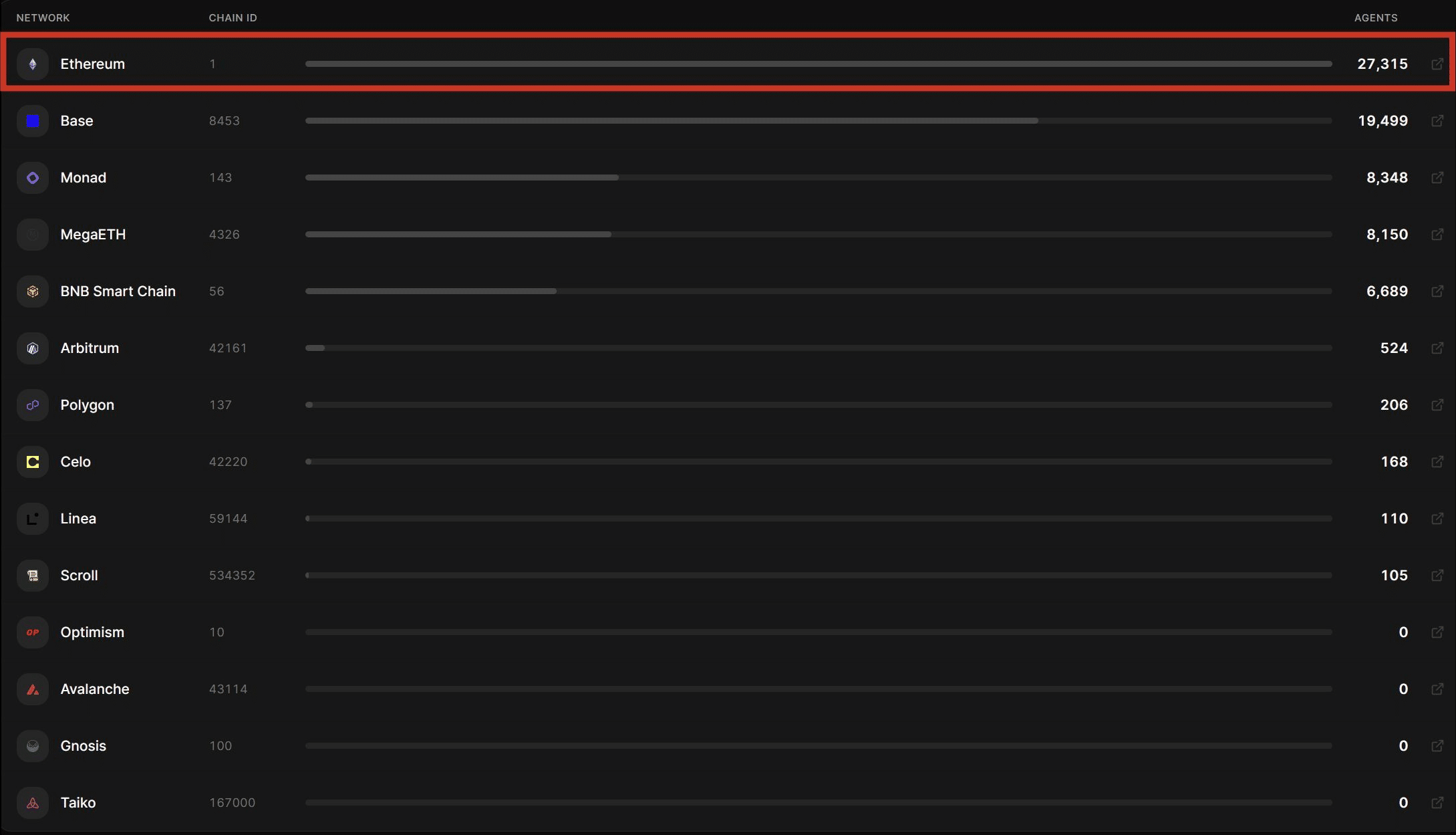
Can Ethereum capture the AI agent market set to hit $236B by 2034?
Diversified Energy Achieves Milestone Year: What Was Anticipated and Future Outlook
Nvidia's Results: Surpassing Expectations but Failing to Make a Significant Impact
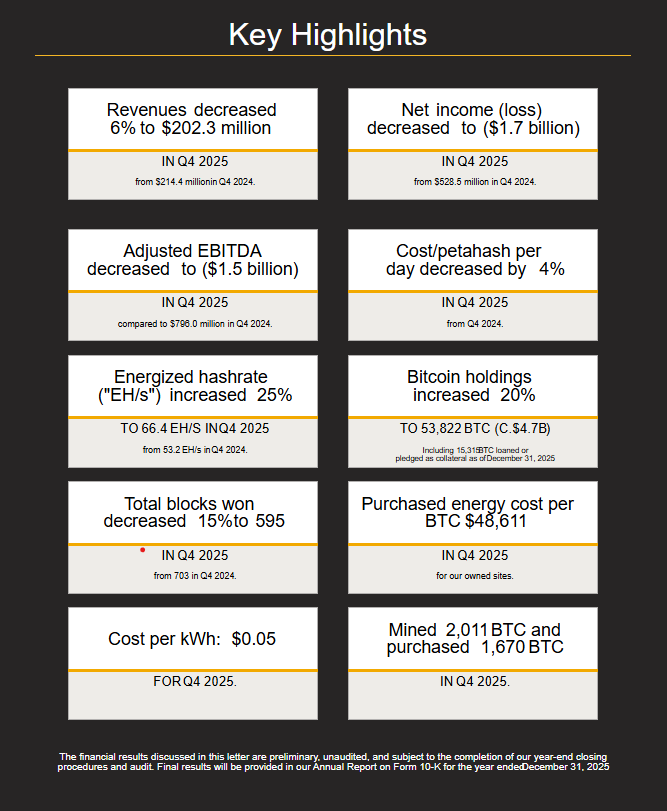
Bitcoin miner MARA posts $1.7B quarterly loss on BTC slump
Trending news
MoreCrypto prices
More





