
Reeves Seeks to Quell UK Tax Speculation Through Subdued Economic Briefing

Rachel Reeves to Present Reserved Economic Update
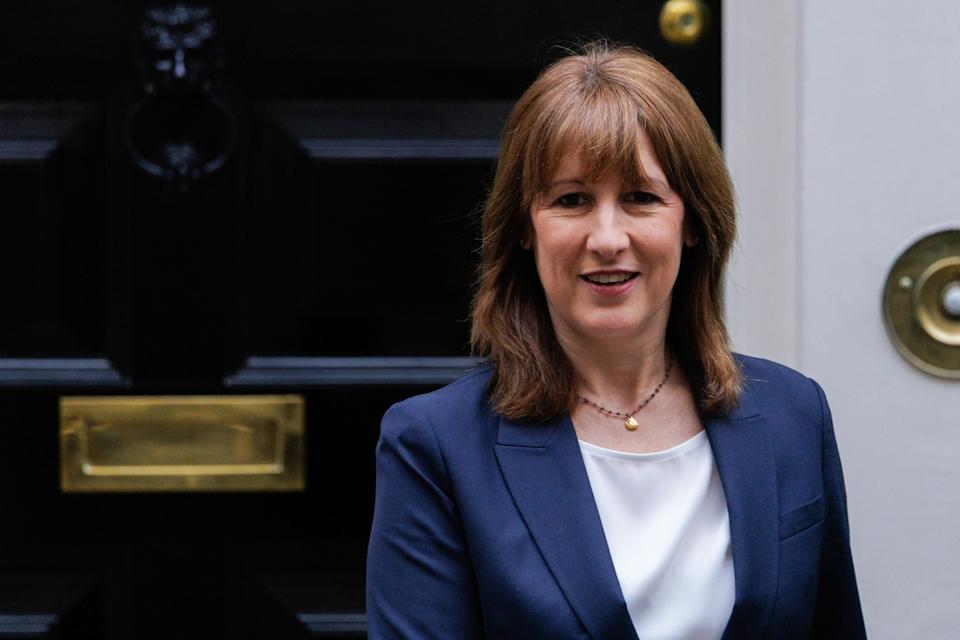
Photographer: Jason Alden/Bloomberg
Rachel Reeves is set to provide a subdued overview of the UK’s economic outlook next week, aiming to put an end to the ongoing speculation that typically surrounds the country’s biannual fiscal announcements.
Spring Forecast Instead of Spring Statement
On Tuesday, the Chancellor will address the House of Commons with what insiders are calling a “spring forecast,” rather than the traditional “spring statement.” This update will focus on responding to the Office for Budget Responsibility’s (OBR) latest projections, without introducing new tax or spending measures.
Top Stories from Bloomberg
Chancellor’s Commitment to Fiscal Stability
This streamlined approach is part of Reeves’ promise to limit major fiscal announcements to once a year, reducing the constant speculation about tax and spending changes that comes with multiple annual events. After increasing the yearly tax load by over £60 billion in her previous budgets, Reeves is emphasizing financial stability.
The update comes just after a pivotal by-election in Manchester’s Gorton and Denton district, where Labour, led by Reeves and Keir Starmer, faces strong competition from the Greens and Reform UK, headed by Nigel Farage.
Results from the by-election are expected early Friday. If Labour loses a seat it won comfortably less than two years ago, it could signal trouble for the prime minister, whose leadership is already under scrutiny due to low approval ratings and weak polling numbers for Labour.
Another challenging moment for the government is anticipated in May, when local elections could result in significant losses for Labour, according to recent polls.
“Even if the government hopes for a routine update, both the public and markets may expect more,” said Helen Thomas, CEO of BlondeMoney and former adviser to ex-Chancellor George Osborne. “Depending on the outcome in Gorton and Denton, a cabinet reshuffle could be on the horizon.”
Pressure to Reform Student Loans
Reeves is under increasing pressure to address the UK’s student loan system, which has left many graduates—especially those who borrowed between 2012 and 2023—with growing debts as repayments lag behind accumulating interest.
Recent Changes and Political Responses
Last November, Reeves froze the income threshold for loan repayments for three years, meaning more graduates will start repaying sooner. The Conservative opposition, who originally introduced the system, have proposed lowering interest rates, while Starmer has indicated the government is considering ways to make the system fairer.
However, officials have downplayed the likelihood of any major announcements on student loans during the spring forecast. “The spring forecast is simply an update, not a policy event,” said Starmer’s spokesperson, Tom Wells.
Contrast with Previous Budgets
The lead-up to this economic update is much quieter than the run-up to Reeves’ last budget in November, which was marred by leaks and speculation about possible tax increases, including concerns over a potential rise in income tax—a move that would have contradicted Labour’s manifesto pledges.
Ultimately, Reeves opted to freeze income tax thresholds, part of a £26 billion package of tax increases aimed at strengthening the government’s fiscal position. This decision, however, was criticized as a stealth tax hike on workers, raising questions about Labour’s commitment to its election promises.
OBR’s Fiscal Outlook and Headroom
The OBR will not only provide updated growth forecasts but also assess Reeves’ fiscal “headroom”—the margin she has to meet her main rule that day-to-day government spending should be covered by tax revenues by the end of the current Parliament.
At the last budget, Reeves increased this buffer from £9.9 billion to over £20 billion, aligning with the average since 2010. This larger margin was intended to end speculation about future tax hikes or spending cuts and reinforce her stance that fiscal rules are non-negotiable.
The expanded headroom was also aimed at reassuring financial markets, as the UK had been facing higher borrowing costs compared to other G7 countries. While the 10-year government bond yield has fallen from a peak of 4.89% to 4.3%, the UK still pays more than the US, France, or Germany.
Economists expect Reeves’ fiscal buffer to remain around £20 billion in the latest OBR forecasts. However, she may face new spending pressures and tough choices in the autumn budget. The Institute for Fiscal Studies warns that lower migration could reduce tax revenues by £10 billion, and the OBR’s wage growth projections may be overly optimistic.
“The OBR will probably wait for additional data before revising its medium-term outlook, but if current trends persist, the chancellor’s fiscal rules could become a central issue again by the autumn,” said Nick Ridpath, Research Economist at the IFS.
With reporting by Philip Aldrick.
Most Read from Bloomberg Businessweek
©2026 Bloomberg L.P.
Disclaimer: The content of this article solely reflects the author's opinion and does not represent the platform in any capacity. This article is not intended to serve as a reference for making investment decisions.
You may also like
Spot silver broke through $90/ounce, rising 1.97% on the day.
Bitcoin’s 100 BTC club edges toward 20K wallets in a ‘bullish sign’

Hyundai Motor Group to invest $6.3 billion in AI data centre, robot factory in South Korea
Trending news
MoreCrypto prices
More





