
Organogenesis: The Q4 Beat Was Priced In, Now the Guidance Reset Is the Game

The fourth quarter was a textbook case of a positive surprise that was already priced in. OrganogenesisORGO-9.98% delivered a record performance, with net product revenue of $225.1 million for the quarter, a staggering 78% year-over-year increase. This beat was not a minor tick above estimates; it significantly cleared both the prior guidance range and the consensus. The strength was concentrated in a key segment, as advanced wound care revenue surged 83% year-over-year, the primary driver behind the top-line beat. This operational momentum translated directly to the bottom line, where GAAP net income of $31.5 million and EPS of $0.24 also came in well above expectations.
In reality, the market's muted reaction-a stock move of about 2.7% since the release-tells the real story. A beat of this magnitude typically triggers a more pronounced pop. The lack of a significant rally suggests the stellar results were largely anticipated. The setup was clear: a company with a leading portfolio in a growing market was executing well. The Q4 print confirmed that execution, but it didn't change the core narrative that was already being traded. This is the classic "buy the rumor" dynamic in action; the rumor was strong growth, and the company delivered it. The stock's calm move indicates the rumor was already in the price.
The bottom line is that the beat itself is now a historical fact. For the investment thesis, the forward view has completely reset. The focus has shifted from celebrating a strong quarter to navigating the significant disruption outlined in the new guidance. The expectation gap is no longer about past performance; it's about the path forward.
The Guidance Reset: Pricing in a CMS-Driven Disruption
The Q4 beat is now history. The real test begins with the guidance reset, which prices in a major near-term headwind. For fiscal 2026, management expects total net revenue to decline by 25% to 38% year-over-year. This is a stark reversal from the prior growth trajectory and sets a high bar for a recovery. More specifically, the outlook implies a first-quarter revenue decline of approximately 50% year-over-year, suggesting the disruption will be severe and concentrated in the early months of the year.
| Total Trade | 6 |
| Winning Trades | 1 |
| Losing Trades | 5 |
| Win Rate | 16.67% |
| Average Hold Days | 4.33 |
| Max Consecutive Losses | 5 |
| Profit Loss Ratio | 3.61 |
| Avg Win Return | 28.41% |
| Avg Loss Return | 7.04% |
| Max Single Return | 28.41% |
| Max Single Loss Return | 10.36% |
This creates a significant expectation gap. The market must now price in this disruption, which overshadows the Q4 beat. The guidance reset is a direct response to external policy changes, not internal weakness. Management frames the pressure as transitory, citing low-cost competitor dynamics as a separate, temporary issue. The core narrative is that the current slump is a result of a freeze in the market caused by CMS-driven clinical confusion, not a loss of competitive edge.
The bottom line is that the forward view has been completely reset. The stock's muted reaction to the Q4 results was a preview of this dynamic. Now, the entire investment thesis hinges on navigating this 2026 disruption and the promised recovery in the second half. The guidance sets a high bar for that recovery, making the path back to normalized growth a critical watchpoint.
Market Pricing and Positioning: A Skeptical Consensus
The market's reaction to the earnings release has been telling. Despite a massive Q4 beat, the stock moved only about 2.7% since market close. This muted move is the clearest signal that the stellar results were already priced in. The real story, the severe guidance reset, was the new information. The market's calm response suggests the disruption was anticipated, or at least its potential severity was being weighed.
Analyst sentiment reflects this cautious consensus. The rating action is minimal: only one buy rating and no sell ratings. This lack of conviction underscores the expectation gap. With the near-term outlook clouded by a projected 25% to 38% year-over-year revenue decline for the full year, analysts are sitting on the sidelines. They have no strong bullish or bearish catalyst to act on, which is itself a form of pricing in uncertainty.
Yet, the company's balance sheet provides a critical buffer that supports management's narrative of a transitory disruption. Organogenesis ended the quarter with $94.3 million in cash and no outstanding debt. This strong runway gives the company the financial flexibility to navigate the expected slump without immediate pressure to cut spending or raise capital. It's a key argument for the "transitory" view, but it doesn't change the near-term headwinds.
The bottom line is a market that has priced in the bad news while waiting for proof of the recovery. The stock's muted move and the analyst ratings show a consensus that is skeptical of the near-term path but not yet ready to bet against the long-term thesis. The cash position is the safety net that makes that wait tolerable for now.
Catalysts and What to Watch: The 2026 Recovery Thesis
The investment thesis now hinges on a single question: Is the disruption a temporary freeze or a structural shift? The path forward is clear, with specific catalysts that will test management's claim of transitory headwinds.
The immediate catalyst is the first-quarter print. Management has set a precise target, forecasting a decline of approximately 50% year over year. The Q1 report will serve as the first hard data point validating the severity of the CMS-driven "clinician confusion." A print that aligns with this forecast would confirm the disruption is as severe as warned, but it would also meet the low bar set by guidance. The real test comes after that.
The ultimate proof of a recovery will be seen in the second half of 2026. Management's narrative depends on a rebound, with a specific target for high-teen adjusted EBITDA margins in the fourth quarter. Investors must watch for signs of stabilization and growth beginning in the second quarter. Any acceleration in the second half would support the view that the market is adapting to the CMS policy changes and that the current slump is indeed a blip. Failure to see a clear turnaround would signal the disruption may be more prolonged.
Finally, any shift in CMS policy would be a major positive catalyst. The entire disruption stems from a "freeze in the market" caused by recent CMS comments and policy changes. If the agency clarifies its stance or reverses its position, it could rapidly resolve the clinical confusion and unlock pent-up demand. While this is an external variable, it remains the most powerful potential reset for the company's outlook.
The bottom line is that the coming quarters are a direct test of the "transitory" narrative. The Q1 print is the validation point; the second-half recovery is the ultimate proof. Any positive shift in CMS policy would be a game-changer. For now, the market is waiting for the data to confirm whether the guidance reset is a temporary setback or the start of a longer adjustment.
Disclaimer: The content of this article solely reflects the author's opinion and does not represent the platform in any capacity. This article is not intended to serve as a reference for making investment decisions.
You may also like
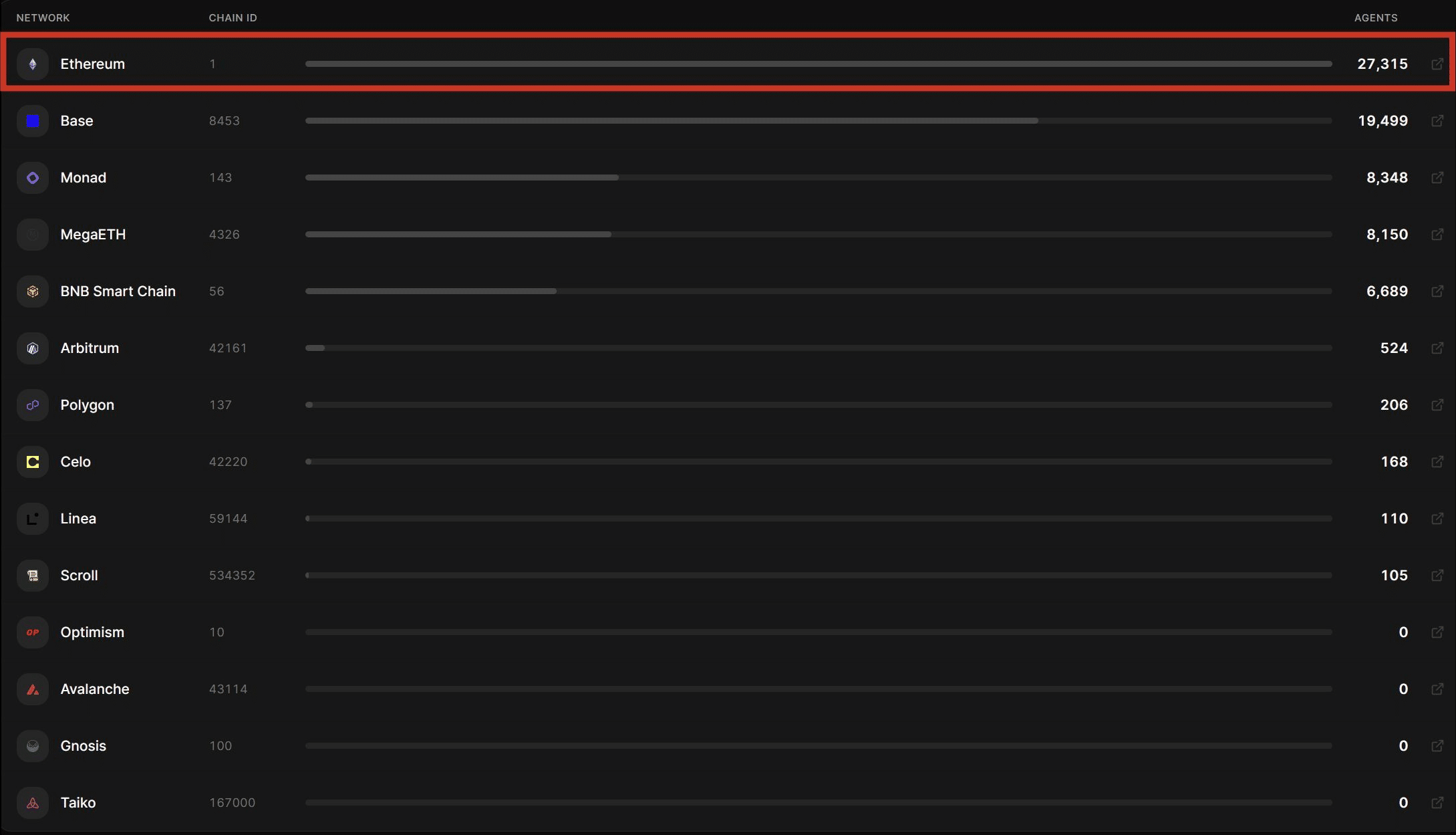
Can Ethereum capture the AI agent market set to hit $236B by 2034?
Diversified Energy Achieves Milestone Year: What Was Anticipated and Future Outlook
Nvidia's Results: Surpassing Expectations but Failing to Make a Significant Impact
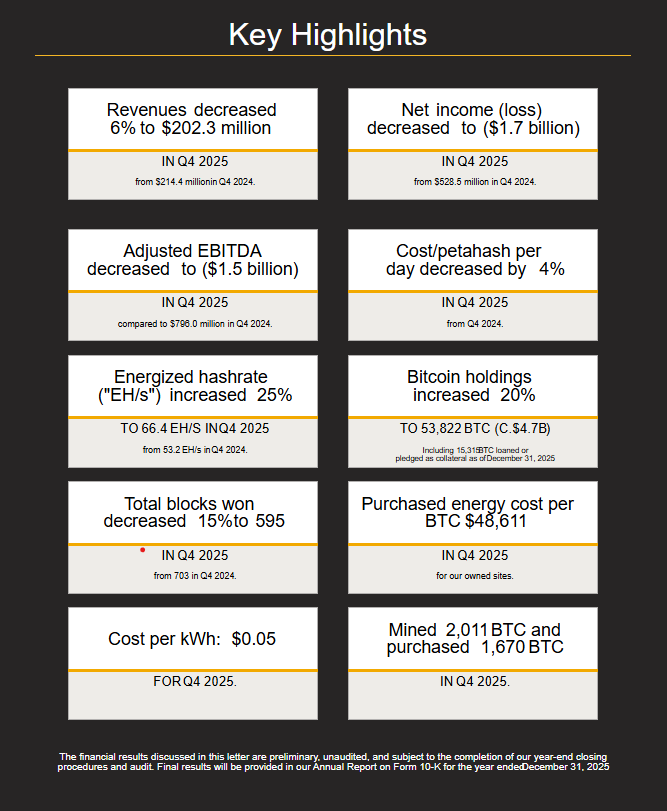
Bitcoin miner MARA posts $1.7B quarterly loss on BTC slump
Trending news
MoreCrypto prices
More





