
India Aims to Reduce Thermal Coal Imports by 30% This Year

India Plans Major Reduction in Imported Thermal Coal for Power Generation
India is aiming to decrease its reliance on imported thermal coal for electricity production by 30% this year, shifting its focus toward utilizing more coal mined within the country, according to industry insiders and government officials cited by Reuters.
In 2023, the nation’s power plants consumed close to 50 million tons of imported thermal coal. This year, India intends to cut that figure by approximately 15 million tons, as reported by sources familiar with the government’s strategy.
However, the overall use of coal in India’s power sector is not expected to decline. Instead, the country will substitute imported coal with increased domestic production, which has seen significant growth in recent months, as highlighted by recent reports.
Authorities have assured power producers that the quality of domestic coal will be maintained and will not be of the lowest grade.
Coal’s Role Amidst India’s Renewable Energy Expansion
While renewable energy sources now account for the majority of new power capacity, coal remains essential for providing stable and affordable electricity, ensuring grid reliability as cleaner energy options expand. This perspective was emphasized by NITI Aayog, the Indian government’s policy think tank, in a recent analysis.
The report suggests that, under current policies, India’s demand for coal could more than double by 2050 compared to present levels. Projections indicate that coal consumption may continue to rise through 2070 if existing policies remain unchanged.
Specifically, the think tank estimates that coal demand could reach 2.615 billion tons by 2050, up from 1.256 billion tons in 2025. Even by 2070, coal usage is expected to surpass 2025 figures if the policy landscape does not shift.
Despite the anticipated growth in renewable energy, coal’s share in the power mix is projected to decrease from 73% in 2025 to 47% by 2070.
India continues to depend heavily on coal to satisfy most of its electricity needs, especially as authorities seek to prevent power outages during extreme heat waves.
According to Rajnath Ram, energy adviser at NITI Aayog, coal will remain a central component of India’s energy system for at least the next twenty years.
“We must approach coal use pragmatically. The key issue is ensuring its sustainable utilization,” Ram stated.
By Tsvetana Paraskova for Oilprice.com
Top Stories from Oilprice.com
- Russia to Tighten Budget Fiscal Rule as Oil and Gas Revenues Plunge
- Oil Prices Tumble as Crucial U.S.-Iran Talks Begin
- Alberta Budgets for Three Years of Deficit on Low Oil Prices
Stay Ahead with Oilprice Intelligence
Oilprice Intelligence delivers expert insights before they make headlines. This trusted analysis is relied upon by seasoned market participants and policy advisors. Subscribe for free, twice weekly, and gain early awareness of market-moving developments.
Subscribers receive exclusive geopolitical analysis, confidential inventory updates, and market intelligence that influences billions of dollars in energy trades. Plus, you’ll receive $389 worth of premium energy insights at no cost, just for joining. Join a community of over 400,000 readers. Click here for immediate access.
Disclaimer: The content of this article solely reflects the author's opinion and does not represent the platform in any capacity. This article is not intended to serve as a reference for making investment decisions.
You may also like
Camiones cargados de soja esperan en puerto fluvial de Brasil, ralentizando envíos de cosecha récord
US Court Jails Incognito Market Operator for 30 Years After Tracing Crypto Transactions
Daily short sale tracking: NVIDIA's short volume increased by 15 million, with a short sale ratio of 11%

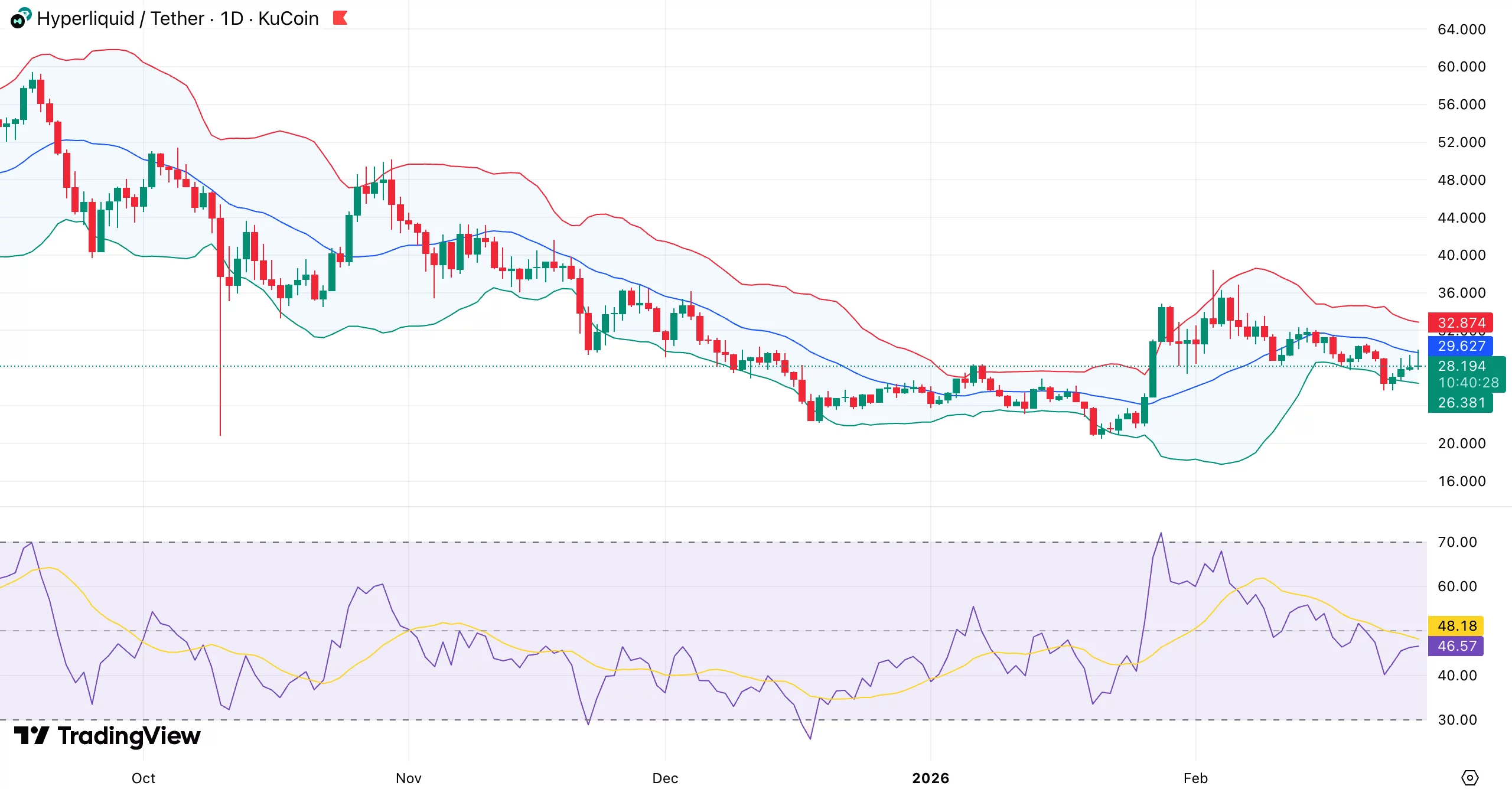
Hyperliquid price eyes $30 breakout amid HIP-6 token launch vote
Trending news
MoreCrypto prices
More





