
Smith+Nephew's CORI: Evaluating Its Standing Along the Orthopedic Robotics S-Curve

Orthopedic Robotics: Rapid Expansion and Market Dynamics
The orthopedic robotics sector is experiencing rapid acceleration, following a classic S-curve of adoption. Global projections indicate the market will surge from $3.64 billion in 2025 to nearly $15.82 billion by 2036, reflecting a robust compound annual growth rate of 14.2%. This marks a significant transformation in surgical precision, fueled by aging demographics and the increasing preference for minimally invasive techniques. For Smith+Nephew, the CORI system represents a strategic move to secure a pivotal role in this evolving technological landscape.
Handheld Robotics: CORI’s Unique Position
CORI distinguishes itself as a handheld robotic solution, setting it apart from larger, stationary systems that often require major changes to operating room setups. Handheld devices are designed for smooth integration into current surgical routines. Smith+Nephew markets CORI as a comprehensive "digital surgery ecosystem," seamlessly connecting pre-surgical planning with real-time execution. This model aims to deliver both cost-effectiveness and operational advantages, potentially speeding up market adoption. However, the handheld robotics segment remains fragmented, with North America leading the way and competition intensifying from both established brands and new innovators.
The central challenge for CORI is whether it can transition from a specialized tool to a widely adopted standard. While overall market growth provides momentum, the success of handheld robotics will depend on demonstrating clear clinical and financial benefits compared to traditional fixed systems. Smith+Nephew’s emphasis on an interconnected ecosystem is an effort to create a competitive edge, but widespread adoption will require not only innovative products but also proven improvements in surgical outcomes and workflow efficiency.
The CORI Ecosystem: Building the Foundation for Growth
Smith+Nephew is positioning CORI as more than just a surgical device—it is envisioned as the backbone of a new era in joint replacement. The company’s strategy centers on developing a closed-loop digital ecosystem that links pre-operative planning, intra-operative procedures, and post-operative data analysis. This holistic approach is intended to enhance surgical accuracy and patient results, while also driving adoption and creating ongoing revenue streams.
The value chain begins with CORIOGRAPH Pre-Op Planning and Modeling Services, which leverages advanced 3D modeling to tailor procedures for individual patients. This digital component is crucial for surgeon engagement, enabling precise implant placement and pre-surgical activity simulations. The handheld nature of the CORI system is a major advantage, offering quick setup and easy integration—especially important for the rapidly expanding ambulatory surgical center (ASC) market, where efficiency and portability are key. By minimizing training requirements and workflow disruptions, Smith+Nephew aims to accelerate the adoption curve for its technology.
The ecosystem’s strength lies in its ability to create a seamless, data-driven experience for surgeons. Supporting multiple imaging formats, the system generates valuable data that can inform future product enhancements and clinical validation. This model transforms CORI from a one-time equipment purchase into a platform with built-in services, fostering lasting customer relationships. The introduction of the CORI SHOULDER Platform highlights the scalability of this strategy, applying the same principles to new, high-growth segments.
Ultimately, CORI’s integrated infrastructure serves as its competitive moat. In contrast to fixed robotic systems that involve high installation costs and workflow challenges, the handheld, connected approach offers a more accessible path to adoption. If Smith+Nephew can consistently demonstrate improvements in surgical experience and patient outcomes, it stands to capture a significant share of the orthopedic robotics market. The company is investing in the underlying infrastructure, not just the devices themselves.
Financial Outlook and Market Competition
CORI’s financial potential is closely tied to its ability to capture a growing portion of the orthopedic robotics market. While the broader surgical robotics industry is expected to grow at a 9.1% CAGR, reaching $188.8 billion by 2032, the orthopedic robotics segment is more specialized, with a slower growth rate. Valued at $743.3 million in 2023 and projected to hit $1.09 billion by 2030, the segment’s 5.7% CAGR means that strong execution is essential for meaningful impact. Smith+Nephew’s focus on building a digital ecosystem around CORI is a strategic shift toward recurring service revenues, moving beyond single equipment sales to a platform model that supports ongoing growth and justifies continued R&D investment.
However, the competitive landscape is complex and evolving. CORI’s handheld approach competes with established fixed systems, such as Intuitive Surgical’s da Vinci, which enjoys a large installed base and strong surgeon loyalty. The market is also seeing a wave of new robotic platforms and alternative technologies, including the Senhance Surgical System, all vying for market share. This fragmentation means CORI must continually innovate and prove its superiority in both clinical outcomes and cost-effectiveness to maintain its edge.
Smith+Nephew’s financial strength and dedication to research and development will be critical in scaling CORI. The company must invest in ongoing improvements, expand into new areas like spine and shoulder procedures, and collect comprehensive clinical data to support adoption. With the competitive environment evolving quickly, establishing CORI as a standard will require decisive action and sustained innovation. The financial rewards will depend on Smith+Nephew’s ability to outperform rivals and deliver on the promise of exponential growth.
Key Drivers, Challenges, and Future Developments
CORI’s immediate future will be shaped by key validation events and execution risks. The upcoming American Academy of Orthopaedic Surgeons (AAOS) 2026 conference is a major milestone, where Smith+Nephew will present the latest advancements, including the CORI SHOULDER Platform and innovative pre-operative planning tools. This event provides a crucial opportunity to gather direct feedback from surgeons and validate the platform’s expanding capabilities and workflow integration. Positive reception could significantly boost adoption rates.
The main risk for CORI lies in execution—turning technological innovation into widespread clinical use and tangible returns for healthcare providers. Market growth alone is insufficient; Smith+Nephew must outpace competitors in both innovation and implementation. A significant challenge is the current lack of rigorous evaluation methods for surgical robots, creating a narrow window to establish a credible framework for demonstrating CORI’s value. Collecting robust clinical outcome data from real-world use will be essential to substantiate claims of improved accuracy and efficiency.
Investors should focus on two main indicators: first, clinical results from CORI deployments that show measurable improvements in patient recovery or surgical precision; and second, the formation of strategic partnerships or potential mergers and acquisitions that could accelerate market expansion. With increasing competition and the proliferation of robotic platforms, alliances may be necessary for rapid scaling. Ultimately, CORI’s success will depend on Smith+Nephew’s ability to move beyond technological demonstrations and establish itself as a dominant force in orthopedic robotics through proven results and strategic execution.
Disclaimer: The content of this article solely reflects the author's opinion and does not represent the platform in any capacity. This article is not intended to serve as a reference for making investment decisions.
You may also like
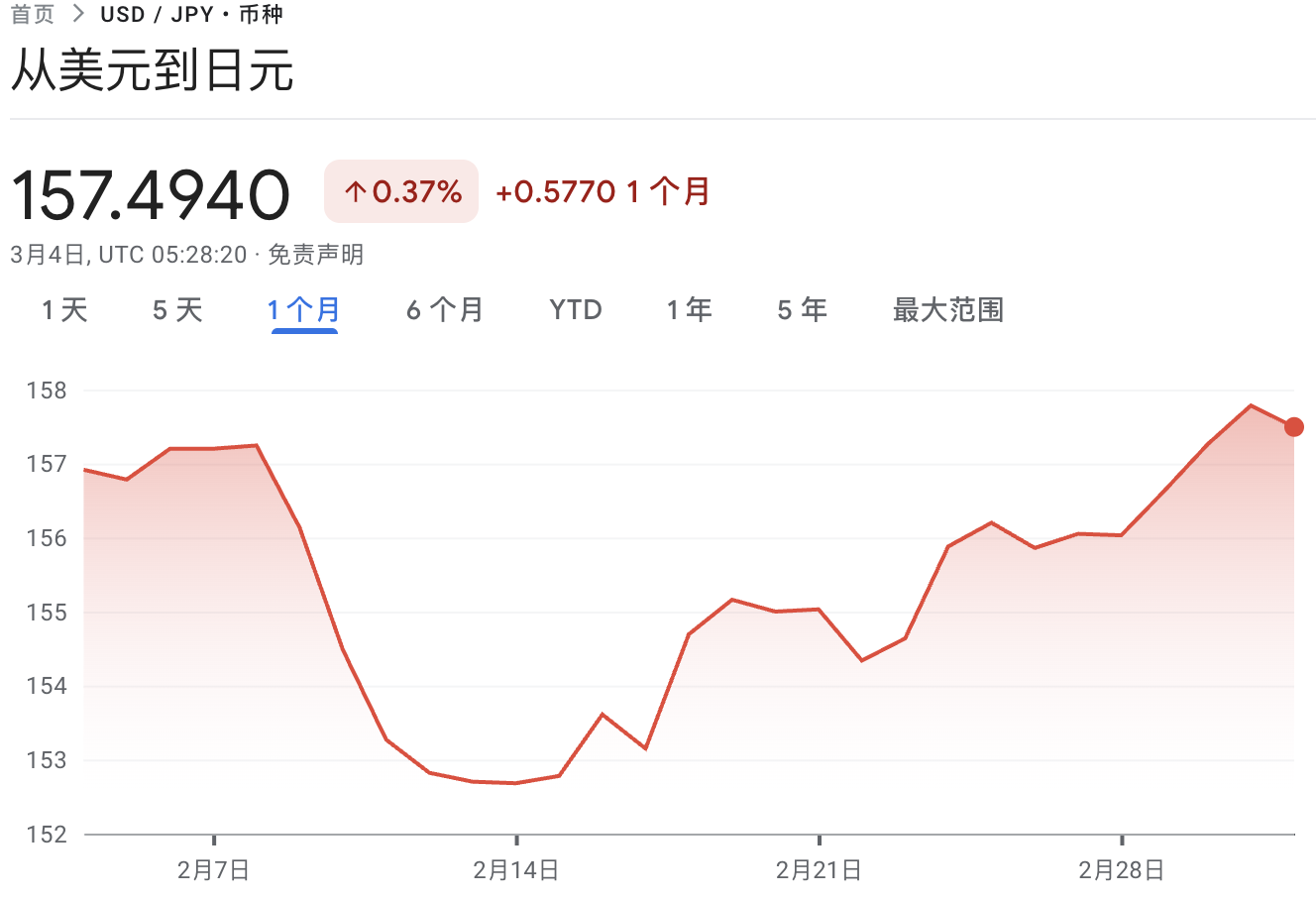
Pound Sterling weakens to near 1.3300 as geopolitical risks bolster US Dollar
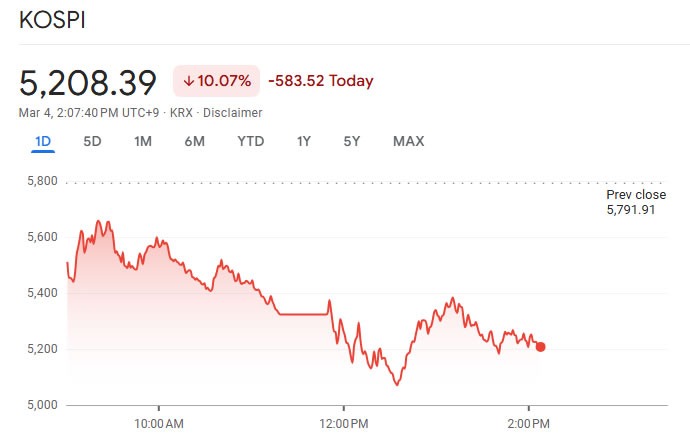
Korea halts trading as key indexes drop 10% on Middle East crisis
DigitalOcean's Agentic Inference Cloud: Creating the Infrastructure for Deploying AI in Production
Trending news
MoreCrypto prices
More





