
Gulf Oil Producers Cut Production by 5 Million Barrels Per Day

Major Oil Producers in the Gulf Significantly Reduce Output
Leading oil-exporting nations in the Middle East Gulf have intensified their production cutbacks, collectively reducing output by over 5 million barrels per day. This move comes as the effective suspension of tanker movement through the Strait of Hormuz begins to impact upstream oil activities.
With storage facilities nearing capacity and limited options for exporting crude, the region’s top oil producers—who also hold considerable sway within OPEC—have been compelled to scale back actual production levels.
Saudi Arabia and Regional Neighbors Slash Production
According to sources cited by Saudi Arabia has reduced its oil output by an estimated 2 to 2.5 million barrels per day. Reports surfaced earlier in the week that Saudi Aramco had begun curtailing production at two of its fields, as the crisis at the Strait of Hormuz continues to disrupt oil exports from the Gulf.
While Saudi Arabia can reroute some shipments to the Red Sea via its east-west pipeline system, the volume transported this way is minimal compared to the amount lost due to the closure of the Strait.
Related: Trump’s Secret Weapon in the Rare Earth War
Iraq, the second-largest oil producer in OPEC after Saudi Arabia, has also implemented significant reductions, cutting output by approximately 2.9 million barrels per day, Bloomberg’s sources report.
The United Arab Emirates has lowered its production by between 500,000 and 800,000 barrels per day, while Kuwait has reduced its output by around 500,000 barrels per day, according to individuals familiar with confidential data.
Market Reactions and Geopolitical Tensions
During Aramco’s fourth-quarter earnings call, CEO Amin Nasser refrained from disclosing specific production figures for Saudi Arabia but cautioned that a prolonged closure of the Strait of Hormuz could have disastrous effects on both the oil market and the global economy.
On Monday, U.S. President Donald Trump attempted to calm market fears by expressing optimism that the conflict would soon end. However, Iran responded the following day by declaring that no oil would be allowed to leave the Middle East until the United States and Israel cease their attacks.
“President Trump’s statements can only provide limited reassurance. Ultimately, a sustained decrease in oil prices will require the restoration of oil shipments through the Strait of Hormuz,” ING commodities strategists Warren Patterson and Ewa Manthey wrote in a recent note.
They added, “Without this, we may not have seen the peak in prices yet.”
By Tsvetana Paraskova for Oilprice.com
Top Stories from Oilprice.com
- G7 Nations Postpone Decision on Strategic Oil Reserve Release
- Why $100 Oil Won’t Trigger a New Shale Boom
- The Chokepoint Economy: The Impact of Simultaneous System Failures
Get Ahead with Oilprice Intelligence
Oilprice Intelligence delivers crucial market insights before they become mainstream news. Trusted by seasoned traders and policymakers, this expert analysis is available to you for free, twice a week, so you can stay informed about the forces driving the market.
Gain access to exclusive geopolitical updates, confidential inventory reports, and market-moving intelligence—plus receive $389 worth of premium energy analysis at no cost when you subscribe. Join a community of over 400,000 readers. Sign up now for instant access.
Disclaimer: The content of this article solely reflects the author's opinion and does not represent the platform in any capacity. This article is not intended to serve as a reference for making investment decisions.
You may also like
Is Fortis (FTS) Shares Surpassing Other Utility Stocks This Year?
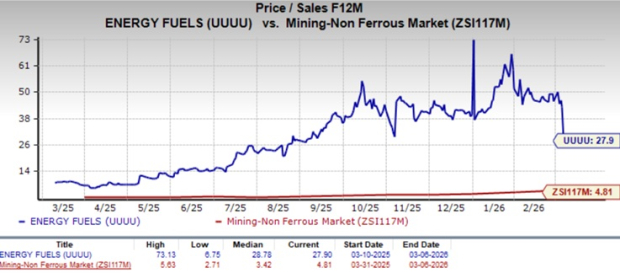
Energy Fuels Shares Command a Premium: What’s the Best Strategy for Investors?
FTSE MIB Futures Wager on Swift Ceasefire Resolution—Will Negotiations Succeed Before the Premium Fades?
Cheniere Energy (LNG) Shows Strong Earnings and Price Growth: Is It a Good Investment?
Trending news
MoreCrypto prices
More





