
Delta Airlines Experiences Major Disruption with Over 8,000 Flights Canceled Due to Storms—Challenging Company Resilience and Investor Confidence

Major Storm Triggers Widespread Disruption Across U.S. Air Travel
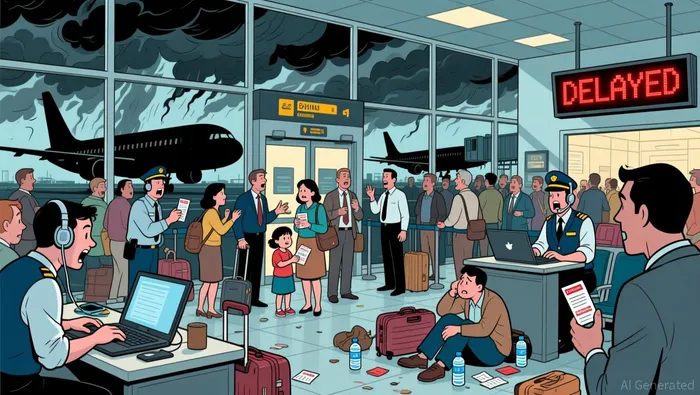
On Monday, March 16, a powerful and prolonged storm system swept across the United States, causing an unprecedented breakdown in the nation’s air transportation network. The immediate consequences were severe: over 8,000 flights within the U.S. were either delayed or canceled in a single day, according to Reuters. This event struck during the busy spring break season, a time when airlines typically see some of their highest passenger volumes and demand, as noted by Yahoo Travel.
The storm’s effects were felt most acutely in specific regions, but its impact rippled throughout the entire system. On the East Coast, airports such as Reagan Washington National and Charlotte were forced to halt operations, effectively freezing major travel corridors. Meanwhile, a fierce winter storm battered the Midwest and Great Lakes, creating blizzard conditions that shut down key airports and further complicated the situation. This combination of events led to a domino effect, disrupting air travel nationwide.
Major Midwest airports, including Chicago O'Hare International (ORD) and Minneapolis-St. Paul International (MSP), became focal points for cancellations, each grounding hundreds of flights. At O’Hare alone, 133 departing and 202 arriving flights were canceled. The paralysis at these central hubs quickly spread, impacting airports from Atlanta to Baltimore and Orlando. By early morning, the East Coast had already seen more than 1,800 cancellations, with LaGuardia and JFK particularly hard hit.
This convergence of severe weather and peak travel demand created a scenario where airline operations and customer service were overwhelmed. Airports became eerily empty as thousands of travelers were stranded. For the financial markets, this event stands out as a significant and immediate challenge for airlines, putting their financial resilience and investor confidence to the test.
Financial Fallout: Immediate Costs and Lost Revenue
The operational turmoil translated directly into financial losses. The most significant blow was the loss of passenger revenue from the more than 8,000 canceled flights, a particularly painful hit during the lucrative spring break period when airlines typically operate at or near full capacity and charge higher fares. The gap left by these lost sales is substantial and difficult to recover.
In addition to lost ticket revenue, airlines faced immediate and unavoidable expenses. These included the costs of rebooking passengers, providing accommodations, and managing disrupted crew schedules. Such expenses are direct hits to the bottom line, with no corresponding revenue to offset them. While the exact financial toll is not specified, these costs are a standard burden during major disruptions.
These new challenges come on top of existing pressures, such as rising jet fuel prices, which have already been squeezing airline margins. The storm’s impact, therefore, compounds an already difficult financial environment, combining lost high-margin revenue with increased operational spending.
Ultimately, airlines are facing a sharp, short-term earnings setback. For investors, the critical issue is how the unavoidable costs compare to the lost revenue. While the scale of the disruption is clear, the final financial impact will depend on how effectively airlines manage stranded passengers and whether they can recover some losses through fees or future bookings.
Market Response: Short-Term Shock or Lasting Change?
The sharp decline in airline stocks following the storm raises the question: is this a temporary mispricing or a sign of deeper problems? The disruption is operational in nature—a massive, but short-lived, event. The main drivers behind the stock drop are the sheer number of cancellations during a peak period and the expectation of immediate costs for airlines. These are quantifiable, short-term shocks.
For traders, the key consideration is whether this event signals a lasting change in the industry’s fundamentals. Current evidence suggests that, while the storm was severe, it remains an isolated incident rather than a sign of a permanent shift. The broader context includes a challenging winter season with repeated weather disruptions since January 2026, but there is no clear indication that such events will become more frequent or severe in the long run. The risk is that this could mark the start of a trend, but so far, the data does not support that conclusion.
This situation may present a short-term trading opportunity. After the initial sell-off, the market could overestimate the financial damage. Airlines have experience navigating such crises and may be able to mitigate some losses through rebooking and customer goodwill. If stocks fall too far, it could create a buying opportunity based on the expectation of a rebound once operations normalize.
In summary, the event calls for a tactical, event-driven approach. While volatility may persist as airlines recover, the core business model—which already factors in weather-related risks—remains intact. Any mispricing is likely to be short-lived rather than indicative of a fundamental change.
Key Factors and What to Monitor Going Forward
The argument for a temporary mispricing depends on how quickly airlines can restore normal operations and communicate their recovery plans. The next major milestone will be the conclusion of the spring break travel rush, which will clarify how much lost revenue can be recaptured through rebookings and future sales.
- Monitor airline earnings calls: Pay attention to management updates on weather-related expenses and recovery timelines. Insights into the scale of non-recoverable costs—such as rebooking, accommodations, and crew management—and their projected impact on annual margins will be crucial. Any indication that these costs are unusually high or that recovery will take longer than expected could challenge the view that this is a temporary setback.
- Watch for policy changes: Look for any adjustments in FAA or airline procedures following the storm. New measures, such as stricter ground stops, updated de-icing protocols, or changes in hub operations, could indicate a shift toward greater resilience against future disruptions. Such changes would suggest the industry is making structural adjustments, not just responding to a one-off event.
Ultimately, the trajectory of airline stocks will depend on how effectively the industry manages the aftermath. A swift recovery with limited additional costs and no major policy shifts would support the case for a temporary mispricing. However, signs of prolonged operational challenges or higher ongoing expenses could force a reassessment of airline valuations.
Disclaimer: The content of this article solely reflects the author's opinion and does not represent the platform in any capacity. This article is not intended to serve as a reference for making investment decisions.
You may also like
Kyiv's Covert Naval Attack Reveals Weaknesses in Oil Market Enforcement Unity

Willis Lease Finance Reports Lower Q4 Earnings Year-Over-Year as Expenses Rise
GSK's RSV Vaccine Arexvy Receives FDA Approval for At-Risk Younger Adult Population

United Homes Shares Drop After Q4 Results, With Decreases in Revenue and Orders
Trending news
MoreCrypto prices
More





