
Marshalls' Strategy for Revamping Landscaping Reveals the Dangers of Overvalued, High-Risk Investments

Marshalls' Annual Performance: Growth Returns Amid Profit Challenges
Marshalls' latest annual report paints a nuanced picture. The company managed to reverse its declining sales trend, posting a 2% increase in revenue to £632 million after two consecutive years of contraction. This signals a stabilization in top-line performance. However, profitability remains under strain, with adjusted operating profit dropping by 15% to £56.4 million and earnings per share falling 16%. The market's response has been negative, as the stock hovers near its 52-week low following a 40% annual decrease, indicating that investors are more concerned about shrinking profits than modest revenue gains.
The Landscaping division was the main source of weakness, seeing its operating profit decrease by £10.1 million and ending the year essentially at break-even. Management has recognized the need for a turnaround, outlining plans for cost reductions and aiming for long-term margins of at least 12%. Achieving this would require a substantial recovery in sales volume. The struggles in Landscaping highlight that the broader "Transform & Grow" strategy has yet to deliver meaningful improvements to the bottom line.
One of the most concrete signs of strategic change is the reduction in dividends. Marshalls announced a 16% cut to its total dividend, lowering the payout to 6.7 pence per share. This decision, positioned as a policy shift, signals a prioritization of financial stability and strategic investment over immediate shareholder returns. With net debt rising to £137.9 million and leverage at 1.8 times EBITDA, the company is emphasizing fiscal discipline.

Volatility Expansion Long-Only Strategy: Backtest Overview
- Entry Criteria: Buy when ATR(14) exceeds its 60-day average and the price closes above the 20-day high.
- Exit Criteria: Sell when ATR(14) falls below its 60-day average, after 20 trading days, or if take-profit (+8%) or stop-loss (−4%) thresholds are reached.
- Target Asset: MSLH.L
- Risk Controls: Take-profit at 8%, stop-loss at 4%, maximum hold period of 20 days.
Backtest Results
- Strategy Return: 2.91%
- Annualized Return: 1.82%
- Maximum Drawdown: 8.06%
- Profit-Loss Ratio: 1.01
Trade Metrics
- Total Trades: 7
- Winning Trades: 4
- Losing Trades: 3
- Win Rate: 57.14%
- Average Hold Days: 8.57
- Max Consecutive Losses: 1
- Profit-Loss Ratio: 1.01
- Average Win Return: 2.9%
- Average Loss Return: 2.76%
- Maximum Single Return: 7.8%
- Maximum Single Loss Return: 4.66%
In summary, Marshalls has managed to return to growth, but profitability remains below expectations. For a company whose stock is priced for flawless execution, this creates a gap between what was anticipated and what was delivered. While revenue improvement was already factored into the share price, the decline in profits and dividend reduction introduce new uncertainties for investors.
Sentiment Divide: Optimism vs. Skepticism
Investor sentiment toward Marshalls is split between pessimism and lingering optimism. The stock's performance reflects deep skepticism, having fallen 31.94% over the past year and reaching a 52-week low recently. This sustained downward trend incorporates concerns about declining profits and the dividend cut.
However, when the results were released, the stock briefly rose 3.65%, suggesting that some investors viewed the return to revenue growth as a positive surprise, temporarily overshadowing profit worries. This reflects a tendency to focus on headline numbers while underlying issues are overlooked.
There is also a notable disconnect among analysts. Despite the stock's sharp decline, consensus ratings remain at "Moderate Buy", with average price targets suggesting an 88% upside. Analysts appear to be betting on a future turnaround, largely ignoring current challenges, especially in the Landscaping segment. This creates a situation where analyst expectations are optimistic, while the market prices in ongoing difficulties.
The result is a stock caught between two narratives: the pessimistic price action reflects real problems, while analyst optimism is based on hopes for recovery. For the share price to improve, Marshalls must not only stabilize but also make tangible progress on its turnaround plan. Any setbacks could reinforce market skepticism and drive the stock lower, as the gap between expectations and reality widens.
Recovery Roadmap: Execution Risks and Potential
Marshalls' turnaround depends on precise execution. The "Transform & Grow" strategy aims to achieve £11 million in annual cost savings by the end of 2026 and restore return on capital employed to 15%. The Landscaping segment is central to this plan, requiring a 15–20% increase in volume to reach its margin target of at least 12%. This creates a high-risk, high-reward scenario: success is already reflected in analyst optimism, while failure is embedded in the current depressed share price.
To address immediate challenges, Marshalls is focusing on pricing discipline and a streamlined, value-driven approach to protect margins. Energy hedging covers about 80% of exposure, helping mitigate volatile input costs. Despite these efforts, the company faces ongoing competition in the Landscaping market, particularly from smaller, family-run businesses that pressure pricing. Achieving volume growth may require aggressive pricing, which could further erode margins.
Financially, Marshalls is stronger than last year, with net debt at £137.9 million and leverage at 1.8 times EBITDA. However, this financial position is being used to fund the turnaround, not as a buffer. Planned capital expenditures of £20–30 million annually, with the 2026 figure at the lower end, create a need for robust cash flow. If volume recovery in Landscaping is delayed or insufficient, cash outflows could rise, increasing pressure on the balance sheet.
Ultimately, the company faces significant execution risk. The current share price reflects expectations of continued profit decline and financial strain. For a recovery in the stock, Marshalls must meet its cost-saving targets and demonstrate real progress toward volume recovery. Any missteps could confirm market pessimism, leaving little margin for error.
Key Catalysts and Monitoring Points
The path to a successful turnaround is defined by several upcoming milestones. The main focus is on the Landscaping segment, where improvements in volume and margins are crucial. Management has stated that achieving a long-term margin of at least 12% requires a 15–20% volume recovery. The next quarterly report will be a critical indicator of whether this recovery is underway. Signs of stabilizing or increasing volume, combined with reduced operating losses, would serve as positive catalysts. Continued weakness, on the other hand, would reinforce the current negative outlook.
Investors should also track the progress of cost-saving and investment initiatives. Marshalls has committed to delivering £11 million in cost reductions by the end of 2026, with £3 million already achieved. The speed at which the remaining savings are realized will be key to near-term profitability. Additionally, the impact of targeted capital expenditures—planned at £20–30 million annually—should be monitored, especially in the Roofing and Building Products segments, which showed strong growth earlier in the year. The goal is to rebuild return on capital employed to 15%, and the effectiveness of these investments in protecting or improving margins will be crucial.
The risk/reward profile is clear. A successful turnaround would validate analyst optimism and likely lead to a significant re-rating. Failure to achieve the necessary volume recovery in Landscaping, however, would confirm market fears and could trigger further declines. With the stock price already reflecting a worst-case scenario, the most important catalyst will be credible early signs that volume recovery is on track. Without such evidence, the stock may remain stagnant, reflecting the high execution risk inherent in the turnaround plan.
Disclaimer: The content of this article solely reflects the author's opinion and does not represent the platform in any capacity. This article is not intended to serve as a reference for making investment decisions.
You may also like
Holleys Earnings Turnaround Ignites 9% Pre-Market Jump

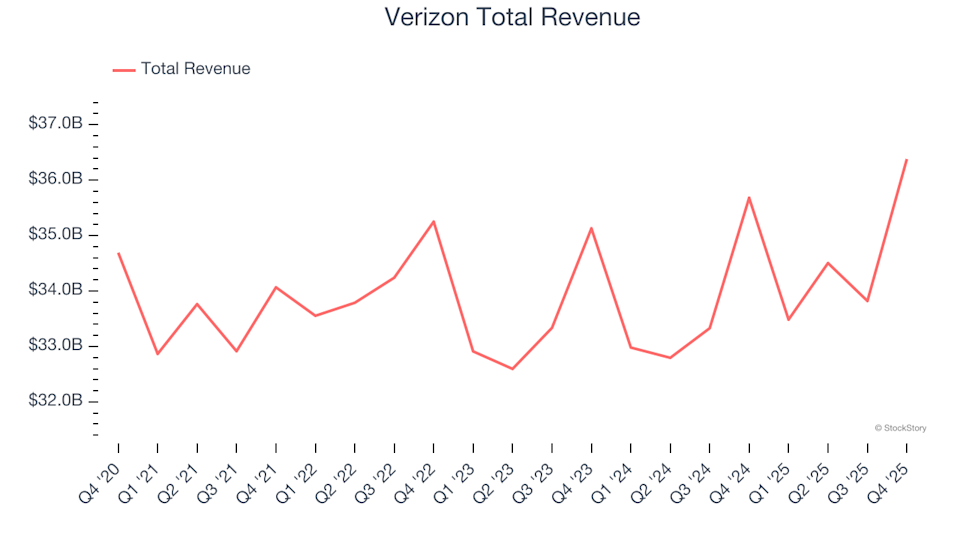
Consumer Discretionary - Wireless, Cable and Satellite Stocks Q4 Performance: Comparing Verizon (NYSE:VZ)
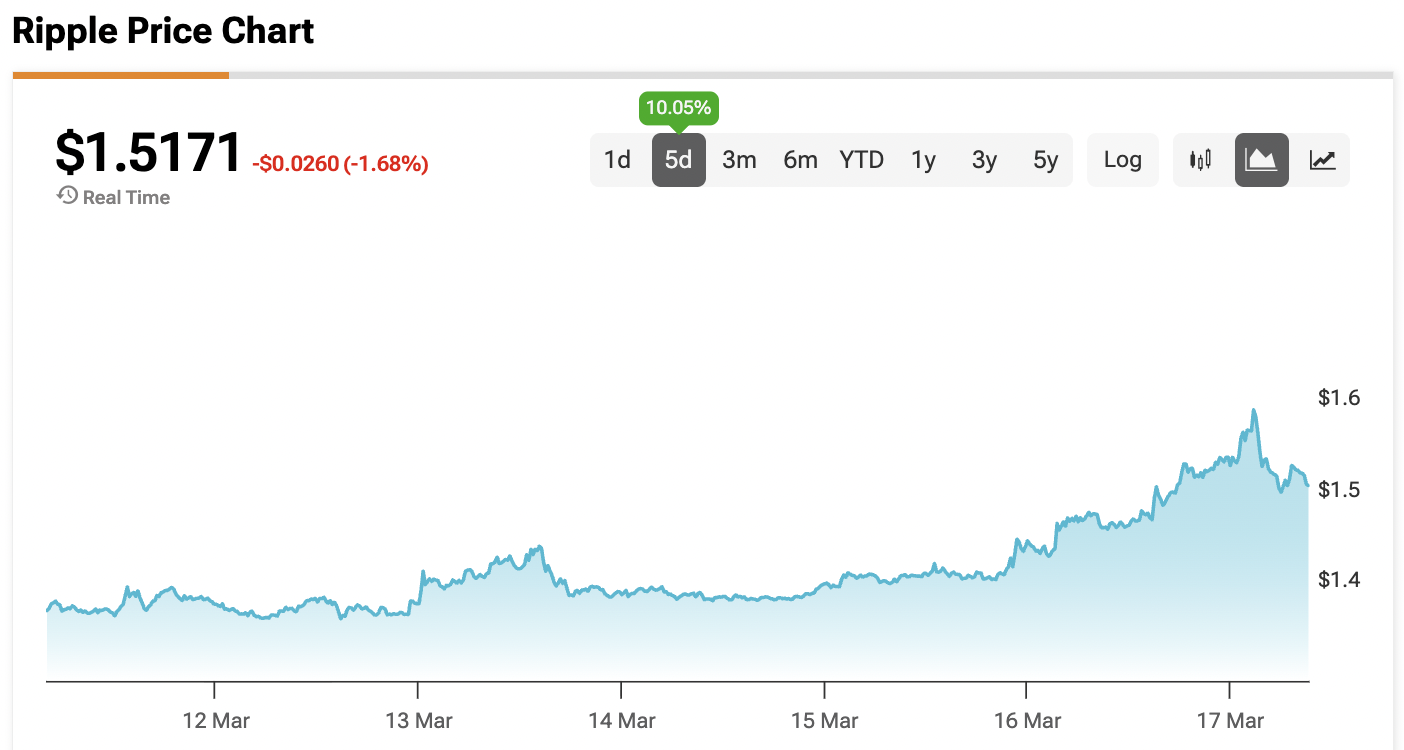
XRP Reclaims Its Spot in the Crypto Food Chain as it Overtakes BNB
S&P 500 is expected to yield only 3% annually over the coming ten years, leading strategist cautions
Trending news
MoreCrypto prices
More





