
Iranian oil shipments return to almost pre-conflict volumes as Hormuz Strait partially reopens and worldwide shipping routes face increased pressure

Market Response to the Strait of Hormuz Crisis
The current turmoil surrounding the Strait of Hormuz has led to a dramatic standstill in maritime activity. With the waterway essentially shut down, commercial shipping has nearly vanished. On March 15, there were only three outbound vessel movements and no ships entering the strait, highlighting the significant dangers that have driven tankers away from the region.
The supply disruption is immediate and substantial. According to the International Energy Agency, over 10 million barrels of oil per day have been taken off the market, with crude oil accounting for about 8 million barrels of that total. This is not a hypothetical scenario—producers are physically unable to transport their oil, and as storage facilities reach capacity, output is being sharply reduced. The IEA reports that oil flows through the strait have dropped from around 20 million barrels per day before the crisis to almost nothing, forcing a dramatic cutback in production.
The consequences for global trade are enormous. The Strait of Hormuz typically handles about 20% of the world’s oil shipments, and its closure now threatens roughly 21% of global oil supply and a quarter of LNG trade. This is not just a regional disruption—energy shipments are being rerouted around Africa’s Cape of Good Hope, adding up to two weeks to transit times and causing tanker rates for Gulf-to-Asia routes to triple. More than 150 ships are stranded, and the extended detours are putting additional pressure on the global shipping network.
In summary, the flow of oil and gas has been severely interrupted. The data is clear: tanker movements have nearly ceased, supply has been slashed, and the global trade system is scrambling to adapt to this unprecedented shock.
The Gradual and Selective Reopening of the Strait
While the blockade is beginning to ease, the process is cautious and highly controlled. The reopening is happening in stages, influenced by geopolitical strategies and Iran’s need to sustain its revenue streams.
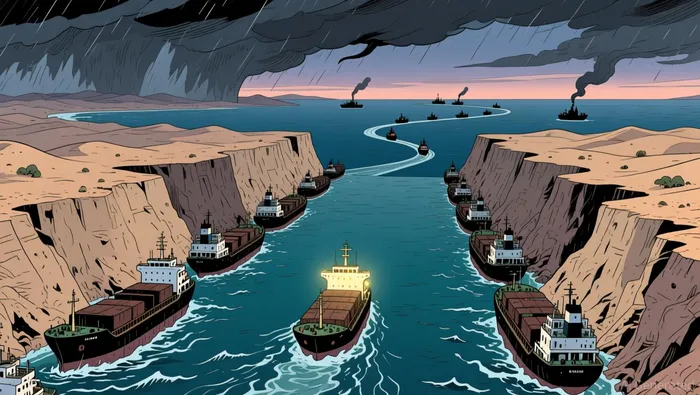
A significant development came when the U.S. Treasury Secretary announced that the U.S. Navy would begin escorting oil tankers through the strait. Although the U.S. Energy Secretary indicated that full readiness has not yet been achieved, this move signals a military commitment to restoring safe passage. The limited movement of some tankers suggests that these escorts are already enabling a fragile corridor for select shipments.
What stands out most is the selective nature of this reopening. Despite the general closure, Iran continues to export oil through the strait at nearly pre-conflict levels, providing vital income for its economy and military efforts. The U.S. appears to be allowing these shipments to continue, even as it targets Iran’s naval capabilities. This selective passage helps Iran maintain leverage and revenue, while the broader choke point remains in place for other exporters.
Reports indicate that Iranian and possibly Chinese-flagged tankers are among the first to cross, suggesting a phased approach where only certain vessels or cargoes are permitted, likely under U.S. supervision. This is a tightly managed process, designed to relieve immediate pressure on Iran’s exports while the larger geopolitical standoff persists.
In essence, the resumption of traffic is limited and strategic. The U.S. military is preparing to safeguard shipments, Iran is prioritizing its own oil flows, and only select vessels—often those from allied nations—are being allowed through. This is not a full resolution, but rather a tactical response to the ongoing crisis.
Impact on the Global Oil Market
The disruption in physical oil flows is putting immense pressure on the global market, and the resulting price volatility is a reflection of these underlying strains. The slow and selective reopening, along with the rerouting of shipments, is fundamentally testing the balance between supply and demand and driving up costs and uncertainty.
With the Strait of Hormuz largely inaccessible, most ships are now taking the much longer route around the Cape of Good Hope, adding up to 14 days to their journeys. This has led to a surge in traffic along this alternative path and a rebound in Suez Canal volumes as vessels seek other options. The logistical challenges are significant, putting pressure on key ports and increasing the risk of congestion elsewhere.
The financial impact is severe. The extra distance and time have caused spot rates for tankers to soar, especially for routes from the Gulf to Asia, where rates have tripled. These higher shipping costs are being passed on to consumers and highlight the real-world friction now affecting global trade. The economic fallout extends far beyond the immediate loss of oil supply at the strait.
Despite these realities, there is a disconnect between the physical situation and market expectations. While spot prices have spiked due to the supply crunch, futures markets are anticipating a quick resolution, with prices projected to fall rapidly. However, the actual data—minimal crossings, hundreds of stranded ships, and a strained trade network—suggests the crisis is far from over. The futures market may be looking past the current bottleneck, but the physical system remains under acute stress.
Ultimately, the disruption is being driven by real-world constraints, not just market speculation. The ongoing, costly detours and the slow, selective reopening mean that the supply shock is likely to persist, keeping pressure on the global energy system for the foreseeable future.
Key Drivers and Risks for Oil Supply
The outlook for oil supply now depends almost entirely on how long the conflict lasts. U.S. Energy Secretary Chris Wright has expressed optimism that the U.S. engagement with Iran could conclude within weeks, raising hopes for a swift normalization. If this happens, the U.S. Navy could fully implement its escort plans, the strait could reopen to regular traffic, and stranded or rerouted oil could begin flowing again. This expectation is reflected in the futures market, which is betting on a rapid resolution. However, as the Secretary himself cautioned, the situation could still drag on, highlighting the risks of a prolonged standoff.
The greatest danger is that the conflict continues, with Iran leveraging the strait as a tool for negotiation. Already, Iran is exporting oil at nearly normal levels while restricting others, ensuring a steady flow of revenue for itself. If this selective access becomes the norm, the strait could remain a controlled bottleneck, with Iran’s exports moving freely while neighboring countries remain blocked. This would keep millions of barrels per day off the market and sustain high shipping costs, prolonging the strain on global supply.
At present, the global oil balance is being shaped by physical limitations rather than speculation. The focus on price movements reflects the underlying stress, but the reality is a system in gridlock, with only a handful of outbound crossings and over 150 ships stranded. The real test is whether oil can move, not what futures contracts predict. The situation remains highly uncertain—a quick resolution could restore normalcy, but a drawn-out conflict with Iran controlling the flow could turn a short-term disruption into a lasting challenge for the world’s energy markets.
Disclaimer: The content of this article solely reflects the author's opinion and does not represent the platform in any capacity. This article is not intended to serve as a reference for making investment decisions.
You may also like
VISA Just Exposed the XRP Masterplan. You’re Not Ready for This
Is CALX Stock Priced Appropriately? A Balanced Perspective and a $56 Price Objective
Reasons to Consider Including ABM Stock in Your Investment Portfolio
Calix One and Private Cloud: The Upcoming Turning Point for Margins
Trending news
MoreCrypto prices
More





