
Cash No Longer Reigns Supreme in the Largest Global Remittance Channel

The Shift to Digital Remittances Among US Migrants
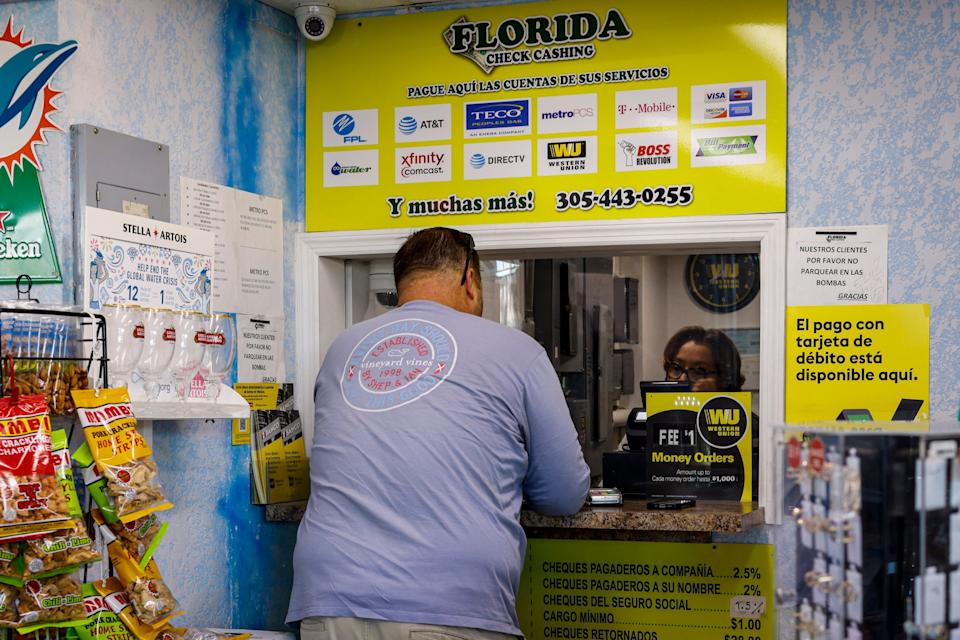
When Maura Fonseca relocated from Mexico to Houston in 2011, she frequently spent hours waiting at Western Union branches to send money to her children and mother. The high transaction fees often forced her to borrow funds just to cover the costs.
Trending Stories from Bloomberg
- Trump Signs Order to Launch Vance-Led Anti-Fraud Task Force
- Finland’s Stubb Cautions NATO Allies to Heed Trump’s Hormuz Call
- Slashing Tax Bills for Rich Investors Is a $1 Trillion Business
- Two LPG Ships Sail Through Hormuz to Shortage-Hit India
- Hormuz Escape Route Suggests Ships Navigate on Iran’s Terms
Today, Fonseca relies on Felix Pago, a WhatsApp-based digital remittance service, to send money home.
“It’s so much more convenient—cheaper, immediate, and I don’t even have to leave my house,” said Fonseca, who manages rental properties in Houston and has had a bank account for four years. “Now I can transfer money right from my bed.”
Fonseca’s experience reflects a larger trend: migrants in the US are increasingly turning to digital platforms to send funds to Latin America. According to Mexico’s central bank, digital transfers surpassed cash remittances in the US-to-Mexico corridor for the first time in 2025, driven by policy changes and evolving demographics.
This shift is transforming an industry once dominated by traditional players like Western Union and Moneygram. As more migrants opt for apps and bank transfers, fintech companies such as Felix Pago, Remitly, and Wise, along with crypto exchanges like Bitso, are vying for a share of the Latin American remittance market, which exceeds $160 billion annually, with Mexico receiving about $62 billion.
Digitalization Accelerates
“There’s a noticeable movement toward digital remittances, especially among younger users,” noted Dalia Grinberg, corporate affairs manager at Bitso, a Mexican crypto exchange.
Fintech firms highlight that while the global average cost of sending remittances is around 6.4%, digital options can reduce fees to about 4% and often deliver funds instantly or within the same day, according to the World Bank.
Remittances are vital for Latin American economies. In Mexico, money sent from the US accounts for roughly 3.5% of GDP. Economists caution that new US taxes on remittances could negatively impact Mexico’s economy.
Last year, remittance flows to Mexico dropped by 4.6%, ending an 11-year streak of growth, according to BBVA. A stronger peso and changing migration patterns have contributed to this decline.
Cash Still Dominates for Many
Despite the digital surge, cash remains prevalent, especially among lower-income households in developing countries with limited access to formal banking. In Mexico, only about one-third of adults have access to formal credit, and over 70% rely on cash for daily expenses.
Fonseca, who now recommends Felix Pago to others, recalls having to borrow money just to pay remittance fees when using cash, especially for urgent expenses like her children’s school fees. Still, many of her clients prefer cash, and she often drives them to remittance stores because they distrust digital transfers.
“Some people feel more comfortable with the physical counters they’ve used for decades, rather than trusting a mobile app they don’t fully understand,” said Grinberg of Bitso.
Fintechs Offer New Incentives
Felix Pago attracts new users by offering the first transfer free and then charging a flat $2.49 fee for subsequent transactions, undercutting Western Union’s $5.99 fee for in-store cash transfers. Users can link transfers to bank accounts or debit cards, and partnerships with major retailers like Walmart allow migrants without bank accounts to initiate digital transfers in person, bridging the gap between cash and digital systems.
Policy and Demographic Shifts
Recent policy changes have prompted migrants to adapt. Heightened US immigration enforcement has made some wary of visiting remittance stores associated with immigrant communities. Digital transfers allow them to send money without leaving home.
“There’s a lot of anxiety about going to independent retail locations,” said Gus Gala, a fintech and crypto analyst at Monness, Crespi, Hardt & Co.
Sending cash is also becoming more expensive. Since January, a 1% US tax applies to cash remittances, while digital payments and bank transfers are exempt. This policy aims to encourage more traceable transactions, according to industry experts.
Western Union has identified the new tax as a potential risk to its consumer money transfer business. Transfers to Latin America and the Caribbean generated about $385 million in 2025, representing 11% of the company’s segment revenue, down from 12% the previous year.
To keep up, Western Union has promoted digital transfers, which accounted for 39% of its transactions by the end of 2025, up from 32% a year earlier. The company did not respond to requests for comment.
Moneygram, meanwhile, reports rapid growth in digital remittances, with a 40% increase in digital payment volume compared to the same period last year.
Younger Generations Lead the Way
Demographic changes are fueling the move toward digital payments. Braulio Garzon, who runs several Western Union-affiliated remittance locations in New York City, notes that most in-person customers are in their 50s and 60s. “Young people are the future of financial services,” he said.
Additional Reading from Bloomberg Businessweek
- We Kinda Messed Up Our Retirement
- Small Businesses Are Pushing Back Against Private Equity
- ‘God, It’s Terrifying’: How the Pentagon Got Hooked on AI War Machines
- Let’s Talk About Trump’s Shoe Thing
- When the Best Retirement Is No Retirement at All
With contributions from Paige Smith and Nino Paoli.
©2026 Bloomberg L.P.
Disclaimer: The content of this article solely reflects the author's opinion and does not represent the platform in any capacity. This article is not intended to serve as a reference for making investment decisions.
You may also like
Ether is Down Over 60% From Its 2025 High, But TradFi Isn’t Walking Away— Here’s Why

JPMorgan Chase (JPM): Should You Buy, Sell, or Hold After Q4 Results?
Coherent’s InP Expansion Is the Critical Infrastructure Play for AI’s Next S-Curve—But Can It Scale Fast Enough?
Trending news
MoreCrypto prices
More





