
Spandex manufacturer pushed beyond limits as Lycra files for bankruptcy

Lycra Faces Financial Struggles Amid Rising Competition
Anyone familiar with Lycra leggings knows they can only stretch so far—and now, the company behind them is experiencing similar financial limitations.
Lycra, the well-known producer of spandex, has entered bankruptcy proceedings as it grapples with mounting debt and increased competition from emerging brands like Kim Kardashian’s Skims.
To address its $1.2 billion (£890 million) debt, Lycra has initiated an urgent restructuring plan, handing control to its creditors for the second time in four years.
The bankruptcy highlights ongoing instability at the company, which is currently being sustained by a $75 million cash infusion from its lenders.
This situation also underscores the mounting pressure Lycra faces from a new generation of competitors.
The Rise and Evolution of Lycra
Lycra was first developed in the 1950s by researchers at DuPont Textiles in the United States. The innovative elastic material quickly became a staple in women’s undergarments and athletic apparel.
DuPont promoted the Lycra brand with the help of celebrities such as Audrey Hepburn, Joan Collins, and Ann-Margret, who famously appeared in form-fitting Lycra for advertisements and magazine covers.
The popularity of Lycra soared in the 1980s, thanks in part to Jane Fonda and the aerobics craze, leading to such high demand that DuPont struggled to keep up.
Changing Market Dynamics
Brands like Spanx, which incorporate Lycra into their shapewear, have seen their dominance challenged by newcomers. Among these is Skims, founded by Kim Kardashian, which opts for various types of elastane instead of traditional Lycra.
Since its 2019 launch, Skims has opened 18 stores across the United States and achieved sales exceeding $1 billion. The brand has reshaped the shapewear market by offering inclusive products tailored for diverse body types, appealing especially to younger consumers.
Skims’ rapid growth has eroded Spanx’s market share, with Spanx often perceived as less fashionable and associated with characters like Bridget Jones.
Other fitness brands, including Adanola, Alo Yoga, and Tala, have also moved away from Lycra’s classic fabric, choosing alternative elastane materials—some of which are biodegradable and more environmentally friendly.
Ownership Changes and Recent Challenges
In 2019, Koch Industries, which had acquired DuPont in 2004, sold The Lycra Company to Chinese textile giant Shandong Ruyi. However, Lycra soon encountered financial difficulties under its new ownership.
The company has faced a series of setbacks, including declining demand for sportswear and disruptions in its supply chain.
By the end of last year, output at Lycra’s eight manufacturing sites had dropped to about 60 percent, according to Bloomberg News. Earnings before tax are expected to fall to $44 million this year, down from $132 million in 2024.
Impact and Future Outlook
Lycra’s bankruptcy is likely to concern cycling enthusiasts in the UK, who are known for their fondness for tight-fitting spandex gear.
Despite the financial turmoil, the company has assured that its production facilities will remain operational.
“We will continue serving our customers, supporting our partners, and providing the high-quality products on which they rely,” stated Gary Smith, Lycra’s CEO.
Disclaimer: The content of this article solely reflects the author's opinion and does not represent the platform in any capacity. This article is not intended to serve as a reference for making investment decisions.
You may also like
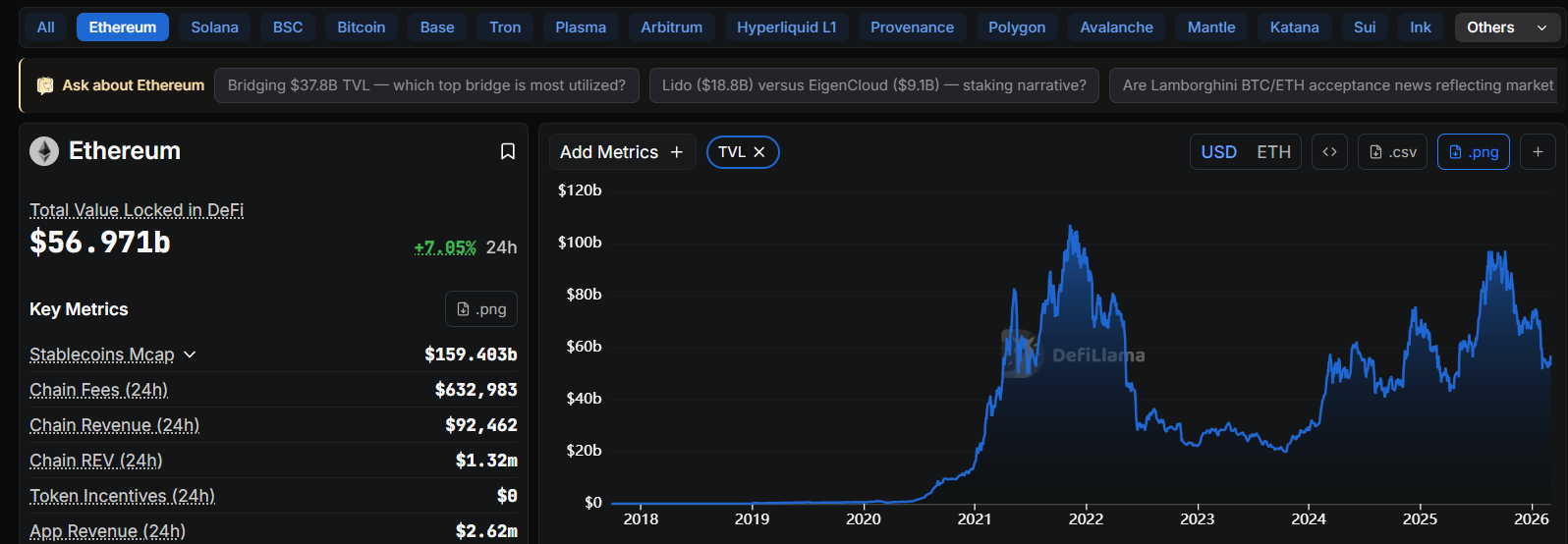
Ether is Down Over 60% From Its 2025 High, But TradFi Isn’t Walking Away— Here’s Why

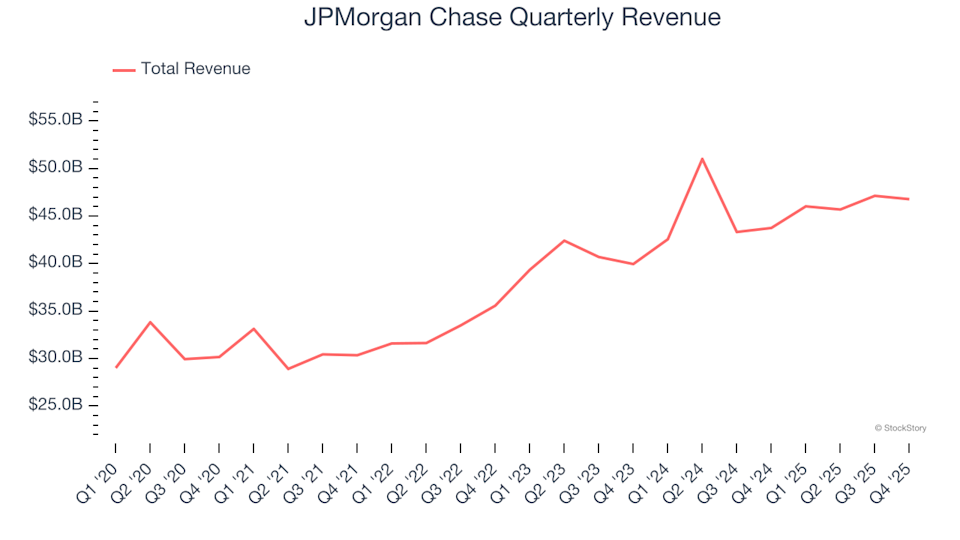
JPMorgan Chase (JPM): Should You Buy, Sell, or Hold After Q4 Results?
Coherent’s InP Expansion Is the Critical Infrastructure Play for AI’s Next S-Curve—But Can It Scale Fast Enough?
Trending news
MoreCrypto prices
More





