
IRA Choices for 2026: Comparing Gold, Traditional, and Roth Accounts

Comparing Gold IRAs, Physical Gold, and Gold ETFs for Retirement Planning
- Gold IRAs provide tax benefits and secure, professional storage for physical gold within retirement accounts. However, they require the use of IRS-approved depositories and involve custodial fees.
- Holding physical gold gives investors direct control and ownership, but does not offer tax advantages. Owners must also handle their own storage and insurance responsibilities.
- Gold ETFs are highly liquid and easy to trade, making them suitable for those who want gold exposure without managing physical assets or storage logistics.
For those looking to add precious metals to their retirement portfolios in 2026, there are several distinct choices—each with its own pros and cons. Whether you choose a Gold IRA, physical gold, or a gold ETF, you’ll encounter differences in tax treatment, liquidity, and ownership structure. Understanding these distinctions is key for anyone aiming to diversify retirement savings and protect against inflation or market swings.
Gold IRAs combine the tax advantages of traditional or Roth IRAs with the ability to hold physical gold. However, the gold must be kept in an approved facility, and investors cannot access the metal directly until retirement. In contrast, owning physical gold allows for immediate possession and management of bullion or coins, but lacks tax perks and requires the owner to handle security and insurance. Gold ETFs, on the other hand, offer a hands-off, easily tradable option, but do not provide actual ownership of gold bars or coins.

Gold IRA vs. Physical Gold: Key Differences
A Gold IRA enables investors to keep physical gold in a retirement account managed by a custodian, offering tax-deferred growth and secure, professional storage. However, this arrangement comes with custodial fees and administrative requirements, and the gold itself is inaccessible until retirement. This option is best for those seeking long-term diversification, tax benefits, and peace of mind regarding storage.
By contrast, direct ownership of physical gold gives investors full authority over their assets, allowing them to choose their preferred storage method—be it at home, in a private vault, or at a bank. While this flexibility is appealing, it also means the investor is responsible for security, insurance, and storage expenses. Additionally, any gains from selling physical gold are taxed as collectibles, which may be less favorable than the tax treatment of a Gold IRA.
Understanding the Tax Rules for Gold IRAs
Gold IRAs follow the same tax guidelines as traditional or Roth IRAs, but there are extra factors to consider due to the physical nature of the asset. With a Traditional Gold IRA, contributions may be tax-deductible and growth is tax-deferred until withdrawal.
Roth Gold IRAs, on the other hand, allow for tax-free withdrawals in retirement as long as the account has been open for at least five years. Both types require minimum distributions (RMDs) starting at age 73.
Investors must also ensure that their gold meets IRS purity standards and is stored in an approved depository. Taking possession of the gold before retirement can result in tax penalties. While Gold IRAs are more complex than simply owning physical gold, they offer significant tax benefits for long-term retirement strategies.
Why Some Investors Prefer Direct Gold Ownership
A growing number of investors are moving away from traditional Gold IRA providers due to concerns about high fees, expensive coins with large markups, and a lack of pricing transparency. Many companies promote 'limited-edition' coins at inflated prices and charge multiple, often unclear, fees. When it comes time to sell, investors may find that buyback offers are much lower than their original purchase price. This has prompted a shift toward platforms like iTrustCapital, which provide a more straightforward and transparent way to buy and sell physical gold and silver.
Services such as iTrustCapital allow users to transact in physical gold and silver directly, without dealing with commissioned salespeople. This appeals to investors frustrated by aggressive sales tactics and unclear costs. Additionally, iTrustCapital supports a variety of account types, including tax-advantaged IRAs and custody accounts, and even offers access to over 90 cryptocurrencies. This level of flexibility and openness is increasingly valued by those who want more control over their retirement investments.
As we look ahead to 2026, the gold investment landscape is rapidly changing, with innovative platforms and strategies emerging to serve a more knowledgeable and cost-conscious investor base. Whether you choose a Gold IRA, direct ownership, or a gold ETF, there are more ways than ever to include gold in your portfolio. Each approach has its own benefits and drawbacks, so it’s important to carefully weigh your options before making a decision.
Disclaimer: The content of this article solely reflects the author's opinion and does not represent the platform in any capacity. This article is not intended to serve as a reference for making investment decisions.
You may also like
Austria’s limits on fuel prices may hasten stock depletion if the Strait of Hormuz remains blocked

Calamos Phineus Long/Short's Aggressive Cyclical Positions Encounter Challenges During Prolonged Market Rally

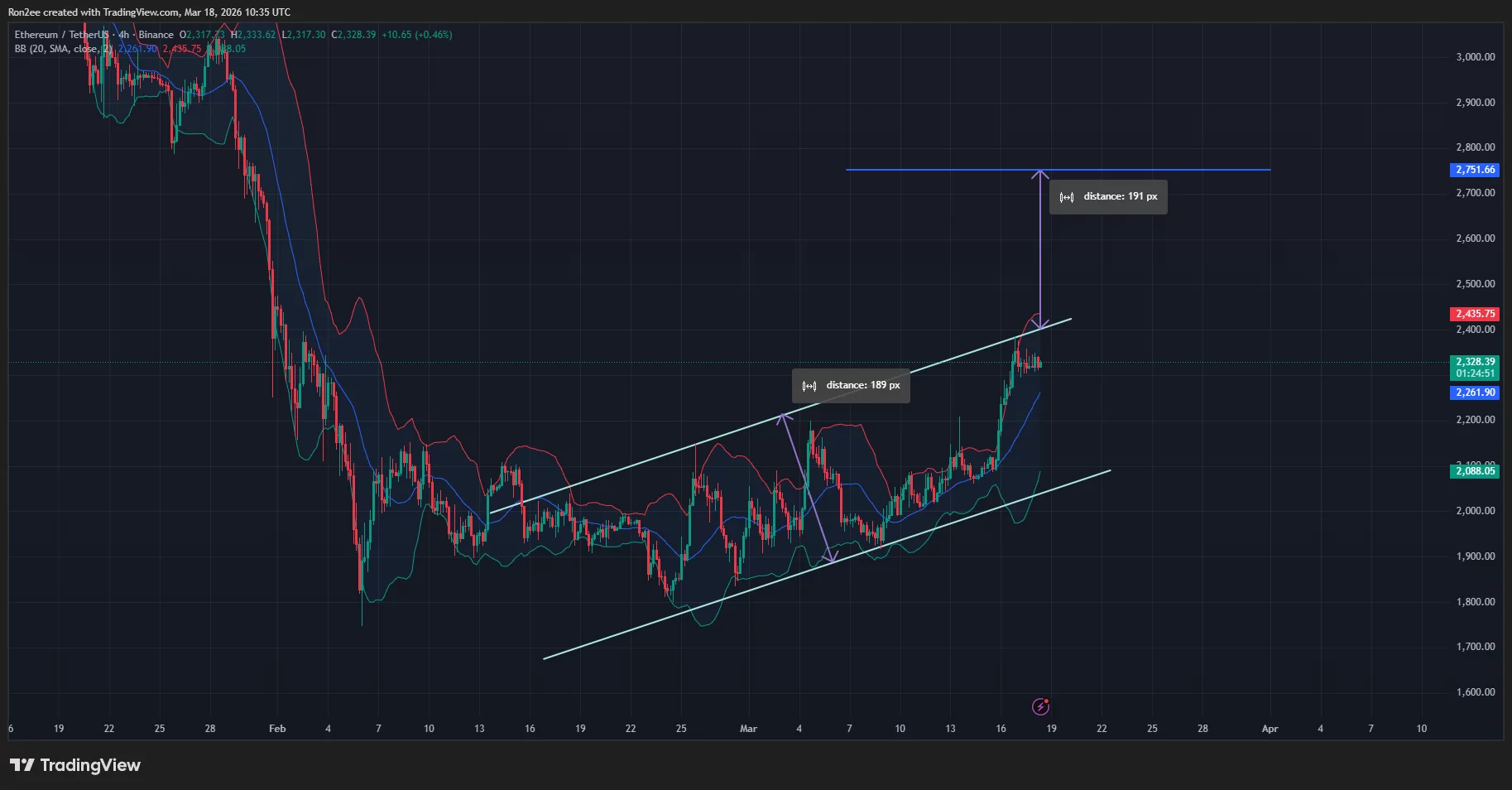
Ethereum ETFs hit three-week high inflows, will ETH price break $2,400?
$22B Daily Volume: How Hyperliquid Is Expanding Beyond Crypto
Trending news
MoreCrypto prices
More





