
Oil's $155 Threshold: A Liquidity Squeeze Rather Than a Regulatory Indicator

Unprecedented Oil Price Surge: Distorted Signals and Market Disruption
Oil prices have reached historic highs, but these figures are misleading. On March 16, Oman crude soared to $147.79 per barrel, and Platts Dubai crude climbed to $153.24 per barrel. Rather than reflecting a worldwide shortage, these prices are the result of severe regional turmoil and a malfunctioning pricing system.
The root of the distortion lies in the closure of the Strait of Hormuz, which has cut off the main route for transporting Middle Eastern oil. This disruption led to a dramatic reduction in trade, with crude exports from the region to Asia dropping to 11.665 million barrels per day in March—down from nearly 19 million barrels per day in February and about 32% lower than the same period in 2025. With the usual supply chain blocked, Dubai and Oman benchmarks no longer accurately represent global market conditions.

The extraordinary price premiums highlight the market breakdown. Dubai crude futures traded at a $56 premium to Dubai swaps, making up a third of its total value. This gap is not a sign of market control, but rather a symptom of low trading activity and excess regional inventories, with certain oil grades unavailable for delivery. According to JP Morgan, this sharp price difference is caused by local inventory surpluses, benchmark pricing quirks, and policy actions—factors that offer temporary relief but do not indicate a global supply shortage.
Crypto Whale Squeeze: Liquidity Under Pressure
The oil price rally is draining liquidity from cryptocurrency markets, exposing large whale positions. As crude prices jumped over 50% in a single week, crypto whales initiated short trades on tokenized oil assets, betting against the surge. One new wallet entered a $10.2 million short position on the CL token with 5x leverage, set to be liquidated at $130.45. This scenario sets the stage for a classic squeeze, where forced selling to cover losses could pull capital out of the crypto sector.
Brent Crude ATR Volatility Breakout Strategy
- Entry Criteria: ATR(14) exceeds its 60-day simple moving average and price closes above the 20-day high.
- Exit Criteria: Price closes below the 20-day low, after 20 trading days, or when take-profit (+8%) or stop-loss (−4%) is reached.
- Target Asset: CO1
- Risk Controls:
- Take-Profit: 8%
- Stop-Loss: 4%
- Maximum Holding Period: 20 days
Backtest Performance
- Total Return: 22.63%
- Annualized Return: 11.54%
- Maximum Drawdown: 16.86%
- Profit-Loss Ratio: 1.55
Trade Statistics
- Total Trades: 8
- Winning Trades: 5
- Losing Trades: 3
- Win Rate: 62.5%
- Average Holding Days: 14.12
- Max Consecutive Losses: 2
- Profit-Loss Ratio: 1.55
- Average Win Return: 7.48%
- Average Loss Return: 4.86%
- Maximum Single Trade Return: 15.48%
- Maximum Single Trade Loss: 8.99%
This liquidity squeeze poses a significant threat to Bitcoin and other digital assets. Forced sales to cover margin calls could push crypto prices lower. The simultaneous rise in oil, the U.S. dollar, and interest rates points to tightening liquidity conditions, which historically weigh on most risk assets. The leveraged positions of crypto whales reflect this broader trend, where volatility in one commodity can have outsized effects across markets.
The link between oil and crypto is direct. Geopolitical conflict shutting the Strait of Hormuz has triggered the oil price spike, which is now causing leveraged crypto trades to unwind. This creates a feedback loop: oil volatility leads to crypto liquidations, potentially intensifying Bitcoin's price swings and increasing the market's vulnerability to energy shocks.
Insider Strategy: Favor Oil, Cut Equity Exposure
Market movements are sending a clear message: distorted signals present trading opportunities. As of March 15, oil prices had climbed roughly 45% since February 27, with Brent crude breaking above $103. The blockage of the Strait of Hormuz has set the stage for this surge. The recommendation from the 'BTC OG Insider Whale' is straightforward: take long positions in oil while the premium remains abnormal.
The counter-strategy is just as clear. The same signs of tightening liquidity—rising oil, dollar, and interest rates—call for a defensive approach. The playbook suggests reducing equity holdings in energy-importing regions such as Japan, South Korea, and Europe, serving as a macro hedge against the widespread asset pressure that follows a liquidity drain.
The main driver behind this outlook is binary. The record-high premiums for Dubai and Oman crude are directly tied to the closure of the Strait of Hormuz. If the strait reopens, these artificial spreads would collapse, likely causing a sharp correction in prices. Until then, the liquidity squeeze in crypto and the distorted oil premiums are interconnected symptoms of the same disruption.
Disclaimer: The content of this article solely reflects the author's opinion and does not represent the platform in any capacity. This article is not intended to serve as a reference for making investment decisions.
You may also like
Ethereum Foundation’s 3,400 ETH Morpho Move Signals Strategy Shift
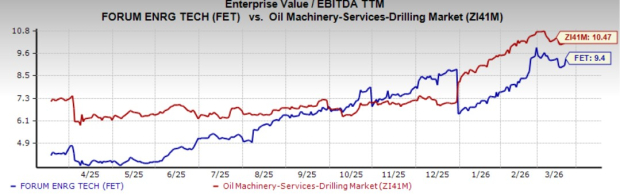
Forum Energy Stock Jumps 192.5% Over the Year: Should You Stay Invested or Cash Out?

Symrise (SYIEY) Raised to Buy: What Are the Implications for the Stock?
Trending news
MoreCrypto prices
More





