
VTWO Set to Benefit from Small-Cap Revaluation as Profits Climb Amid Strongly Undervalued Market Sentiment

Small-Cap Stocks: Poised for a Turnaround?
For nearly a decade, small-cap stocks have consistently lagged behind their larger counterparts. However, changing fundamentals suggest that 2026 could mark a pivotal year for these companies. The main argument centers on a dramatic earnings rebound that the market currently seems to be ignoring.
Consider the projections: While large-cap companies are expected to post steady earnings growth, small-cap firms are forecasted to see their profits soar. As of January 2026, consensus estimates predict the Russell 2000 will achieve 43% year-over-year earnings growth—a rate nearly four times higher than the S&P 500’s anticipated 11%. This isn’t just a typical recovery; it’s a potential turning point. In a market where earnings drive returns, such rapid acceleration could be the catalyst for a significant rally in small-cap share prices.
Yet, investor sentiment remains cautious. Despite the improving outlook, capital has been flowing out of small-cap funds. According to State Street’s chief investment strategist, about $12 billion exited small-cap ETFs over the past year. Such large outflows often signal that pessimism is already reflected in prices, potentially setting the stage for a rebound if attitudes shift.
Broader economic trends are also starting to favor small caps. The recent dominance of mega-cap technology stocks may be reaching its limits, which could help close the performance gap between large and small companies. More importantly, the Federal Reserve’s move toward lower interest rates is a direct benefit for smaller firms, which tend to rely more on borrowing. As one analyst observed, “interest expenses for small companies have been falling and are expected to keep dropping.”
In summary, there’s a clear disconnect: robust earnings growth is anticipated, but the market remains skeptical. With valuations low and monetary policy turning supportive, investors seeking exposure to this potential recovery might consider a low-cost ETF such as VTWO, which offers a simple way to participate in a possible new cycle for small caps.
VTWO: Affordable Access to Small-Cap Potential
For those optimistic about a small-cap resurgence, VTWO provides a cost-effective and diversified entry point. The fund’s appeal lies in its straightforward structure: minimal fees, broad market coverage, and a sensitivity to economic shifts. However, these advantages come with important considerations.
First, VTWO stands out for its low cost, charging just a 0.06% expense ratio. This means nearly all of your investment is working for you, making it an attractive option for long-term investors seeking efficiency and compounding gains.
Second, VTWO tracks the Russell 2500, granting investors wide exposure to the small-cap sector. However, this breadth also means the fund is more exposed to economic cycles. Small-cap companies are often concentrated in industries like industrials and financials, which tend to be more volatile—leading the way in both downturns and recoveries. As a result, VTWO can outperform in strong markets but may suffer more during slowdowns.
This volatility is reflected in the fund’s beta of 1.32. In practical terms, this means VTWO is more responsive to market swings—rising faster during rallies but also falling more sharply during declines. It’s not a passive holding for the risk-averse; rather, it requires investors who are comfortable with market fluctuations.
Ultimately, VTWO offers a pure, low-cost play on the small-cap theme, but it also comes with the sector’s inherent risks and higher volatility. For those confident in a small-cap rebound, it’s an efficient tool. For others, it’s important to fully understand the risks before investing.

Key Factors to Monitor: What Could Drive or Derail Small Caps
For the small-cap recovery thesis to succeed, projected earnings growth must be realized. The market is anticipating a turnaround, but execution is crucial. The 43% earnings growth forecast for the Russell 2000 is a critical benchmark. If companies fall short, optimism could quickly fade and stall the rally. Investors should pay close attention to quarterly results, looking for evidence that cost-cutting and efficiency measures are translating into actual profit gains.
Investor flows are another important indicator. The sector has seen significant outflows—$12 billion left small-cap ETFs in the past year. A reversal, with money returning to funds like VTWO, would signal renewed confidence and could precede a sustained price move.

The Impact of Federal Reserve Policy
The pace at which the Federal Reserve cuts interest rates will directly affect small-cap companies, which are more sensitive to borrowing costs. Lower rates are expected to further reduce interest expenses for these firms, but the timing is critical. If rate cuts are delayed or too gradual, the anticipated boost to small-cap profitability may not materialize as strongly. Investors should monitor the Fed’s schedule and economic indicators for clues about the speed of monetary easing.
Conclusion: Three Signals to Watch
The outlook for small caps depends on three main factors: actual earnings delivery, a shift in investor sentiment, and ongoing policy support. Keeping a close eye on these signals will be key. When all three align, the stage could be set for a meaningful small-cap rally. If they diverge, the recovery may lose momentum.
Disclaimer: The content of this article solely reflects the author's opinion and does not represent the platform in any capacity. This article is not intended to serve as a reference for making investment decisions.
You may also like

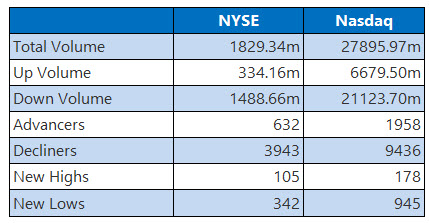
Dow, Nasdaq Near Correction After 4th-Straight Weekly Loss
Bitcoin Hyper Price Prediction: DeepSnitch AI Aims for 100x Post-Launch, While HYPER Can Only Deliver 2-3x

Trending news
MoreCrypto prices
More





