
Geopolitical Turmoil: The Impact of Middle Eastern Tensions on Interest Rate Outlook and Capital Movements

Market Turmoil Amid Middle East Unrest
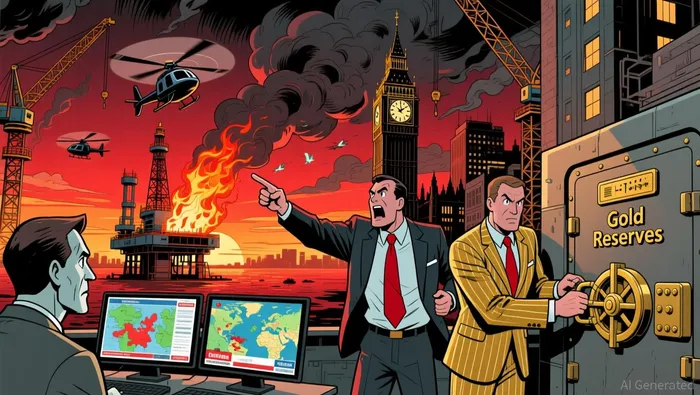
As tensions in the Middle East intensified, financial markets responded with abrupt shifts in capital allocation. Energy commodities experienced sharp price increases due to concerns over potential supply interruptions, while investors moved away from gold—traditionally seen as a safe haven—and instead turned to government bonds, anticipating higher interest rates.
Oil and natural gas prices were at the forefront of this surge. Brent crude oil soared by approximately 8.5% on Monday, reaching close to $79 per barrel. Meanwhile, European natural gas benchmarks spiked 38% following drone strikes that disrupted output. These increases in essential energy costs present a direct economic challenge for policymakers to address.
In contrast, gold lost its traditional appeal as a refuge during uncertainty. The precious metal fell 2% to $4,570 per ounce on Friday, marking its steepest weekly decline since 1983. This trend indicates that investors are seeking alternatives to gold, favoring assets that may offer better protection against the current inflationary environment.
Shifting Expectations for Interest Rates
The ongoing conflict has become the main force driving changes in monetary policy expectations. Market participants have quickly adjusted their forecasts, now assigning a 50% probability of a Federal Reserve rate increase by October. This marks a significant departure from earlier predictions of policy easing, introducing a new dynamic for global markets.
This shift has had a direct impact on Treasury yields. The yield on the 2-year U.S. Treasury note has risen to nearly 5%, while the 10-year yield reached its highest point since last November. As inflation concerns mount, investors are selling off bonds, causing prices to drop and yields to climb. The market is no longer anticipating imminent rate cuts.
Consequently, expectations for monetary easing have been significantly reduced. Fewer than two rate cuts are now projected for the year, with the earliest likely to occur in July or September. This postponement, fueled by both geopolitical-driven inflation and robust economic indicators, suggests that elevated bond yields may persist, putting pressure on stock valuations and increasing borrowing costs for businesses and consumers.
Reversal of Capital Flows and Key Drivers
The geopolitical crisis has caused a notable reversal in capital flows. Gold-backed ETFs have experienced persistent outflows, erasing all gains made earlier in the year. Investors are moving away from gold as the inflationary impact of rising energy prices outweighs its traditional role as a geopolitical hedge. Instead, capital is flowing into Treasuries and the U.S. dollar, reflecting expectations of a delayed policy easing cycle.
The Federal Reserve's response will be the primary factor influencing the next market direction. With Chair Jerome Powell's term ending in May and Kevin Warsh, a former Fed governor, nominated as his successor by President Trump, the prospect of a more hawkish leadership is on the horizon. Although the confirmation process is complicated by a criminal investigation involving Powell, the potential for a new chair is already shaping market expectations. Should a more hawkish stance prevail, it could further accelerate the anticipated rate hikes.
The main risk is that a prolonged conflict could entrench inflation, resulting in sustained higher interest rates and continued pressure on equities. Energy prices remain unstable, with Brent crude hovering near $79 and European gas prices staying elevated. Persistent inflation would limit the central bank's ability to lower rates, likely extending the period of high bond yields and challenging stock valuations. Conversely, a swift resolution to the conflict could quickly reverse these trends, prompting capital to return to gold and riskier assets as inflation fears subside.
Disclaimer: The content of this article solely reflects the author's opinion and does not represent the platform in any capacity. This article is not intended to serve as a reference for making investment decisions.
You may also like
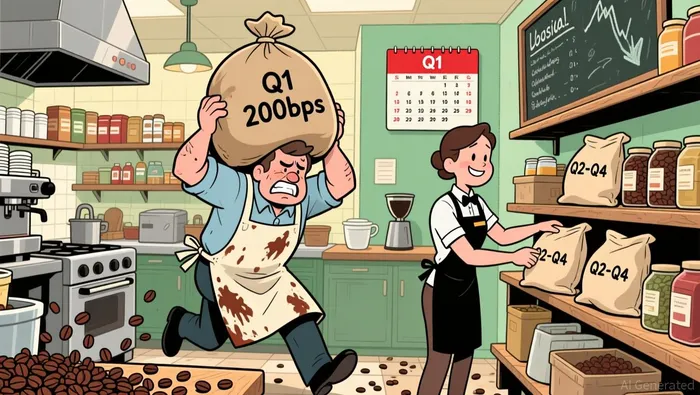
Dutch Bros Faces Coffee Cost Delays with 200 BPS COGS Impact Expected to Hit Early in 2026
Trending news
MoreCrypto prices
More





