
India's Naval Move: Securing LPG Supply or Raising Strategic Stakes?

India Secures Rare Passage for LPG Tankers Amid Iran Blockade
On March 13, Iran made an unusual concession by permitting two Indian LPG carriers, Shivalik and Nanda Devi, to navigate the Strait of Hormuz. This move stands in stark contrast to Iran’s ongoing blockade, which has largely stopped maritime traffic since the onset of the U.S.-Israel campaign. For India, currently grappling with its most severe gas shortage in years, this exception is a crucial relief.
Following the tankers’ departure from the strait, the Indian Navy swiftly deployed visible escorts in the Gulf of Oman. Social media videos have confirmed that a Visakhapatnam-class destroyer and an MH-60R helicopter from the Shivalik are involved in the operation. Public tracking data indicates at least three Indian warships are stationed in the area to safeguard the vessels.
The cargo these ships carry is significant—together, they transport 92,700 metric tonnes of LPG, nearly matching India’s daily import needs. This shipment directly addresses the domestic supply crunch that has forced the government to curtail distribution, offering immediate relief to the nation’s energy security concerns.
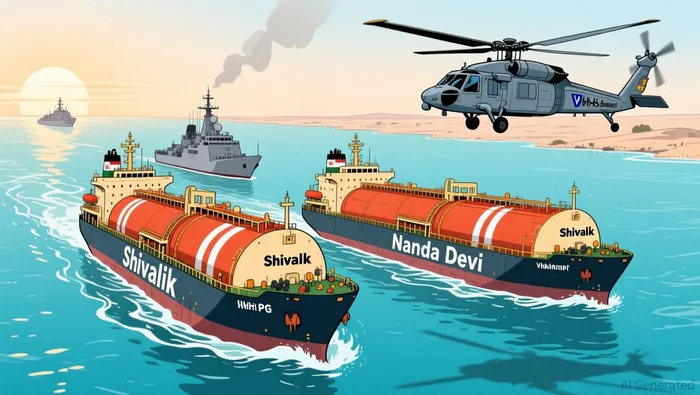
The Buffer Zone: Strategic Gaps and Naval Presence
While India’s naval deployment in the northern Gulf of Oman provides a protective corridor for its tankers, the warships are not entering the Strait of Hormuz itself. This creates a buffer zone, but does not address the root of the blockade. The most acute threat remains inside the strait, where Iran has already demonstrated its willingness to use force.
Iran’s Selective Enforcement
Iran’s approach is calculated. While it allowed the Indian tankers through, it recently targeted a foreign vessel. In early March, a Thai cargo ship was struck by Iran in the strait, resulting in the deaths of three crew members. This selective enforcement shows Iran is using the blockade as leverage, punishing neutral or non-aligned ships while granting passage to those it finds strategically beneficial. India’s request for an exception, possibly linked to negotiations over its own detained ships, fits this pattern.
Escalating Risks in a Volatile Region
India’s naval actions mirror similar moves by Pakistan, but the risks are immediate and severe. The region remains tense—just days before, a U.S. submarine sank an Iranian warship in the Gulf, dramatically escalating hostilities. Indian warships now operate in this high-risk environment, both protecting the tankers and exposing themselves to potential attack.
The stakes are high: while the reward is the safe delivery of essential LPG to alleviate India’s crisis, any misstep or escalation could pull Indian forces into direct conflict. Their presence is vital for security, but it also marks India’s formal entry into a dangerous operational arena, raising the risk for every subsequent mission.
Energy Security Versus the Risk of Escalation
This operation is a delicate balancing act. As the world’s second-largest LPG importer, India relies on this fuel for millions of households. Ensuring these shipments reach their destination is a matter of national security. The government’s urgency is clear—it has already seized three Indian tankers earlier this month and is using them as bargaining chips in negotiations for safe passage. The current exception is a direct result of these talks, providing a temporary solution to a deepening crisis.
However, the danger of entanglement is ever-present. Iran’s selective blockade and the visible presence of Indian warships in the Gulf of Oman significantly increase the risk of confrontation. The region’s volatility, highlighted by the recent sinking of an Iranian vessel by the U.S., means Indian escorts are both a shield and a potential target. Their mission is to protect, but their visibility makes them vulnerable to escalation.
In summary, India’s commitment to securing energy supplies has led to a tactical victory, but at the cost of entering a highly charged operational theater. The successful delivery of LPG offers immediate relief, but any miscalculation could trigger a conflict India seeks to avoid.
Key Developments to Monitor
- Future Passage for Indian Tankers: The most immediate test is whether Iran will allow additional Indian vessels to pass. The current exception for the Shivalik and Nanda Devi is not a policy shift. If more tankers are permitted, it suggests a selective easing of the blockade for India. If not, or if ships are detained, the crisis could intensify.
- Iran’s Response to Naval Escorts: The deployment of three Indian warships in the Gulf of Oman is a clear signal. Any Iranian attack on these escorts would mark a significant escalation, confirming that the blockade is a tool of selective pressure and that India is now a direct target. Previous incidents, such as the strike on a Thai cargo ship and the attack on an American oil tanker, demonstrate Iran’s willingness to use force.
- Status of Detained Indian Tankers: The fate of the three Indian ships seized in February remains a critical bargaining point. Iran has demanded their release as part of ongoing negotiations. Their release could ease tensions and pave the way for further cooperation, while continued detention would give Iran additional leverage and reduce the likelihood of future exceptions.
In conclusion, while India has achieved a short-term breakthrough with the passage of its LPG tankers, the situation remains precarious. The coming days will be defined by whether more Indian ships are allowed through, how Iran reacts to the naval escorts, and the outcome of talks over the detained tankers. Each development will reveal whether this exception is a turning point or merely a temporary reprieve in an ongoing crisis.
Disclaimer: The content of this article solely reflects the author's opinion and does not represent the platform in any capacity. This article is not intended to serve as a reference for making investment decisions.
You may also like
Meta’s AI Pivot Could Justify the Burn—But Time Is Tight

Day One Biopharma Jumps 65% Following $2.5B Acquisition by Servier—Arbitrage Gains May Be in Jeopardy

Bull of the Day: Nvidia (NVDA)

Trending news
MoreCrypto prices
More





