
Morrisons considers selling its food production division amid rising inflation concerns linked to Iran

Morrisons Considers Selling Food Manufacturing Division Amid Debt Concerns
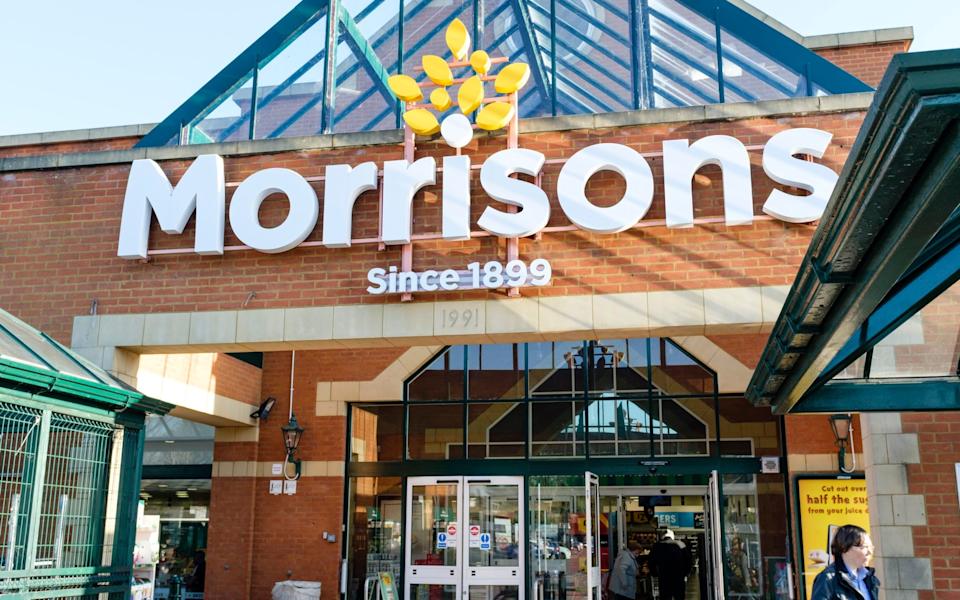
Morrisons is weighing the possibility of selling its valued food production business as escalating conflict in the Middle East heightens inflation worries for UK companies.
According to sources, CEO Rami Baitiéh has initiated discussions with at least one private equity group regarding a potential sale of the supermarket’s entire manufacturing arm. This move comes as Morrisons faces mounting pressure to address its substantial debt load.
Negotiations remain ongoing, with at least one bidder having secured full financial backing for an offer. Other interested parties are reportedly preparing competing bids for all or part of DEL Manufacturing, a leading UK food supplier.
The decision to explore a sale was prompted by the urgent need to manage the supermarket’s £7 billion debt, as reported in its most recent financial statements. The ongoing turmoil in the Middle East is also influencing the company’s leadership, as businesses brace for a period of rising costs.
Damage to energy infrastructure in the region by Iranian forces has sparked anxiety among British firms, with many anticipating a significant new wave of inflation.
Manufacturers are preparing for higher energy expenses, while farmers warn that increasing raw material prices could lead to more expensive groceries and even potential shortages. Oxford Economics projects that inflation could reach 4% later this year, twice the Bank of England’s target rate, due to these global events.
One retail executive cautioned that the talks might collapse because of Morrisons’ high valuation expectations, stating, “The issue is, Rami wants too much for the business.”
It is understood that the negotiations began after Morrisons received an unexpected approach.
Based in Bradford, Morrisons operates 500 supermarkets and 1,600 convenience stores, and is unique among UK grocers for its comprehensive food production capabilities. Approximately 25% of the fresh products in its stores are produced in-house.
The news of these talks may surprise employees, especially after Mr. Baitiéh stated in January that manufacturing was integral to Morrisons’ identity and would remain part of the company.
Within Morrisons, the manufacturing division has long been a subject of debate among executives.
- Some believe that owning its own supply chain gives Morrisons a significant edge over competitors.
- Others argue that this structure limits the supermarket’s ability to negotiate better prices with suppliers, making it harder to control food price inflation.
The company’s food production business, known as Myton Food Group, operates ten sites across the UK, supplying items such as eggs, meat, chilled foods, flowers, seafood, and baked goods. The division is so extensive that it functions as a standalone entity.
Debt Challenges Rooted in Private Equity Takeover
Morrisons’ current financial difficulties stem from its £10 billion acquisition by private equity firm Clayton, Dubilier & Rice (CD&R) in 2021. Years later, the burden of servicing the massive loans used to fund the deal continues to erode profits.
Company filings reveal that Morrisons has spent nearly £2.5 billion on debt-related costs since the takeover. Last year, a £281 million interest payment contributed to a £381 million loss for the supermarket.
To ease its financial strain, Morrisons has sold off several assets. In 2024, it sold its petrol stations to Motor Fuel Group, a CD&R-owned company, in a £2.5 billion transaction, with most proceeds going toward debt repayment.
The supermarket has also generated hundreds of millions by selling dozens of stores and leasing them back. These sale-and-leaseback deals under CD&R’s ownership are said to have raised over £3 billion.
The company’s financial woes have been compounded by a decline in market share, with Aldi surpassing Morrisons to become the UK’s fourth-largest supermarket. Morrisons is now striving to maintain its position as Lidl continues to expand rapidly.
This situation marks a sharp contrast to the conservative approach of the late Sir Ken Morrison, the company’s former chairman. In his final report before retiring in 2008, he highlighted a reduction in net debt to £543 million and a rise in profits to £612 million.
Sir Ken was famously frugal, often noting that the company’s headquarters had not been redecorated in over thirty years.
Morrisons has declined to comment on the ongoing discussions.
Disclaimer: The content of this article solely reflects the author's opinion and does not represent the platform in any capacity. This article is not intended to serve as a reference for making investment decisions.
You may also like
Circle's Arc Testnet: A Flow Analyst Examines the $76B USDC Strategy

Papa John’s Makes a $100M+ Deliverect Investment: Bold Tech Transformation or Misjudged Recovery?

Oil Surge Drives Capital Outflow: Tech Sell-Off and Rotation
Trending news
MoreCrypto prices
More





