
Gold's Flow vs. Price: ETF Inflows vs. Dollar Strength

The primary driver of gold's recent price action is clear: persistent, record-breaking capital inflows into ETFs have built a massive physical base. In February, global gold861123-3.46% ETFs saw inflows of US$5.3bn, marking the ninth consecutive monthly increase. This sustained buying has pushed total assets to a new all-time high of $701bn and physical holdings to 4,171 tonnes.
This flow is not a fleeting trend but a structural accumulation. North America led with $4.7bn in inflows, extending its own nine-month streak-a pattern historically seen only during major crises like the GFC and the pandemic. Even in Europe, where outflows of US$1.8bn occurred in early February, the region's flows turned positive later in the month, indicating underlying demand remains intact.
Trading volumes, while pulling back to US$478bn/day, remain elevated, signaling sustained market participation. The inflows are being driven by a mix of geopolitical risk, favorable interest rates, and equity market concerns, creating a fundamental demand that continues to build despite short-term price volatility.
The Price Pressure: Dollar and Rate Cut Fears
Gold's price is under severe pressure, extending an eight-day losing streak and poised for a weekly loss of over 8.5%. This sharp decline is driven by a powerful headwind: a rising US Dollar Index, which hit 99.58, and climbing Treasury yields. The market is now pricing in no Federal Reserve rate cuts this year, a shift that directly reduces the appeal of gold as a non-yielding asset.

The mechanism is straightforward. When the dollar strengthens and real yields rise, holding gold becomes more expensive relative to interest-bearing assets. This is compounded by the Middle East conflict, which has boosted oil prices and, in turn, the dollar's safe-haven appeal. The result is a direct counter-current to the massive ETF inflows, creating a volatile tug-of-war between fundamental demand and monetary policy.
The immediate technical setup reflects this pressure. Gold has broken below key support at the 100-day Simple Moving Average, opening the path for further downside toward the 200-day SMA near $4,066. While local rebounds have occurred, the daily chart shows persistent bearish momentum, with the Relative Strength Index approaching oversold levels.
The Catalysts: What to Watch for a Reversal
The immediate technical trigger for a shift is clear. A sustained break above the 4,825 USD level would signal a reversal of the corrective channel and attract renewed ETF buying. This level is critical; holding above it could re-establish bullish momentum, while a failure to reclaim it leaves the path open for further downside.
Fundamentally, the balance hinges on two key shifts. First, central bank buying remains a structural floor. The historic rally through 2025 was fueled by such demand, and its continuation is a primary support. Second, the most potent catalyst would be a reversal in Fed rhetoric toward imminent rate cuts. The current hawkish stance, which has pushed rate cut expectations to 2027, is the core driver of dollar strength and gold's pressure. Any dovish pivot would directly undermine that headwind.
The primary risk is that the current pressure persists. If dollar strength and rate cut fears endure, gold faces a test of the $4,800 level as a new long-term support. A break below that zone could open the door to the $4,500-$4,800 range, where the market's sideways consolidation forecast suggests a potential buying opportunity. For now, the flow of ETF capital is being overwhelmed by monetary policy, but the setup for a reversal is defined by a single, decisive price level.
Disclaimer: The content of this article solely reflects the author's opinion and does not represent the platform in any capacity. This article is not intended to serve as a reference for making investment decisions.
You may also like
Spotify Misses Whisper Numbers, Setting Up a Guidance Reset Trade

RWE's $20 Billion US Bet Targets Germany's Power Gap as Dispatchable Capacity Grows Scarce

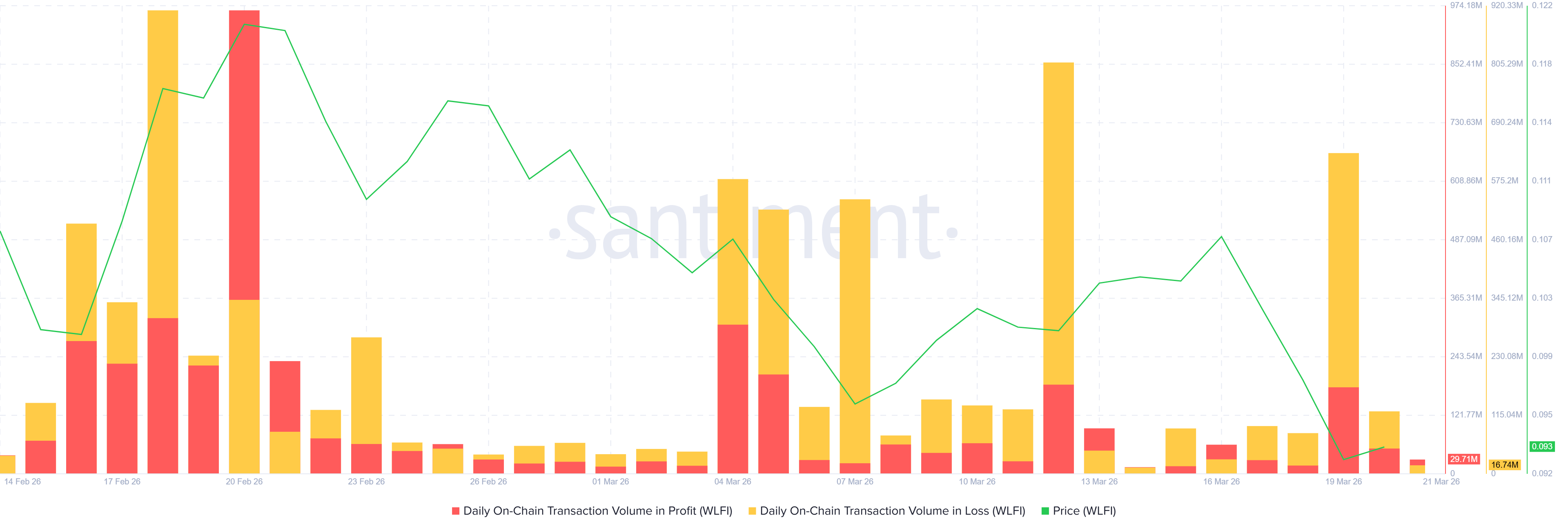
Trump’s ICE Tantrum Might be Driving Macro Trend Behind WLFI Token Price
Nasdaq Drops Amid March Madness as Frustrated Fans Trigger Sell-Off—Wait Until April 6

Trending news
MoreCrypto prices
More





