
GATX’s Optimistic Scenario Assumes Flawless Performance—Current Trade Hinges on Managing Execution Risks

GATX: Strong Performance and Strategic Growth
GATX has attracted considerable optimism from investors, thanks to its robust operational results and a pivotal strategic acquisition. The company wrapped up 2025 on a high note, reporting a full-year net income of $333.3 million and earnings per share of $9.12. A major contributor to this success was the outstanding performance of its North American railcar leasing segment, where fleet utilization soared to 99% by year-end. This high utilization rate, along with healthy renewal activity, has ensured a reliable stream of long-term cash flow.
In January, GATX completed its largest acquisition to date, joining forces with Brookfield Infrastructure Partners in a new joint venture. This partnership resulted in the purchase of roughly 101,000 railcars from Wells Fargo for approximately $4.2 billion. GATX holds a 30% ownership stake and manages the fleet, immediately expanding its scale and diversifying its assets.
To further benefit shareholders, GATX increased its annual dividend to $2.44 per share, an 8.2% rise, and introduced a new $300 million share repurchase program. This blend of strong earnings, a transformative acquisition, and enhanced shareholder rewards underpins the bullish outlook for the company, with the market anticipating continued operational and financial strength.
Market Sentiment and Valuation: Separating Hype from Fundamentals
Despite GATX’s impressive finish and major acquisition, the market’s response has been mixed. Shares currently trade at $164.70, down 2.5% since the start of the year and 20.8% below the 52-week high of $199.00. This recent decline suggests that the initial excitement following the acquisition announcement has waned, creating a disconnect between the company’s strong fundamentals and its stock performance.
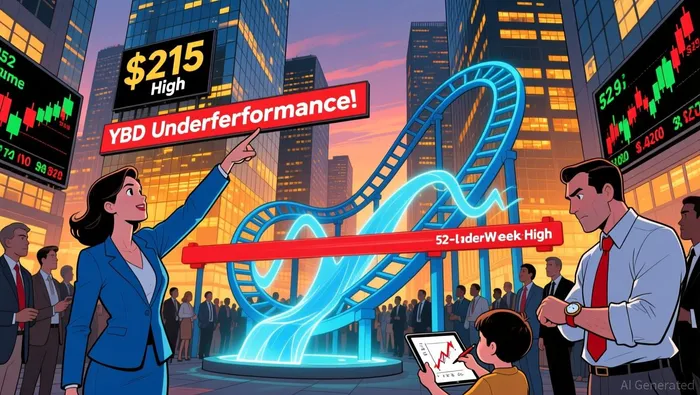
Analysts remain largely positive, with an average price target of $215, implying a potential upside of 30.5%. However, not all models are as optimistic. The Zen Rating, a quantitative system that identifies alpha opportunities, currently rates GATX as a “Hold.” This divergence indicates that while the company’s story is compelling, much of the good news may already be reflected in the share price, leaving less room for further gains unless GATX exceeds expectations.
Management has set ambitious targets, projecting 2026 earnings between $9.50 and $10.10 per share, a notable increase from 2025’s $9.12 per share. Achieving these goals will require not only maintaining current performance but also successfully integrating the newly acquired fleet and realizing the anticipated benefits from the Brookfield partnership. The market appears to be expecting flawless execution.
In summary, GATX’s current valuation seems to account for the successful completion of its acquisition and ongoing strong earnings. While analyst targets highlight the potential upside, the “Hold” rating from quantitative models and the stock’s lackluster year-to-date performance suggest that investors are now being asked to assume the risks associated with scaling the business further.
Risks and Deeper Considerations
Looking beyond the surface, several underlying risks and structural challenges could temper the bullish narrative. While the Brookfield deal provides immediate scale, there are longer-term factors that may impact GATX’s trajectory.
One concern is the evolving demand for certain types of railcars. For example, the market for hopper cars—used to transport bulk commodities such as coal—is expected to grow at a compound annual rate of 9%. However, this growth occurs against a backdrop of declining coal usage due to environmental regulations and the shift toward cleaner energy sources. Although hopper cars also carry other materials like grain and minerals, a sustained move away from coal could eventually reduce demand in this segment, introducing a vulnerability that may not be fully reflected in current valuations.
The joint venture structure itself also brings complexity. GATX’s 30% stake in the new fleet means it does not have full control, and differences in strategy or priorities with Brookfield Infrastructure could arise. The financial details, such as management fees and capital allocation, depend on contractual terms that are not fully disclosed, adding a layer of uncertainty and potential governance risk.
Additionally, the railcar leasing industry is projected to expand at a 5.1% compound annual growth rate globally. For a company that has just made a significant, capital-intensive acquisition, this moderate growth outlook may not support a premium valuation. GATX is now viewed as a mature, scaled player with steady cash flows, but to justify its valuation, it must deliver not only sector growth but also superior execution. If the business is seen as mature, the focus shifts from rapid expansion to maintaining profitability.
Ultimately, the optimistic scenario for GATX assumes near-perfect execution and growth. The risks—shifting demand, governance challenges, and moderate industry growth—could limit the company’s ability to deliver the substantial upside some analysts predict.
Key Catalysts and What Investors Should Monitor
Looking ahead, several catalysts will determine whether GATX can meet the high expectations embedded in its current share price. The most immediate is the company’s guidance for 2026, with a targeted earnings range of $9.50 to $10.10 per share. The market’s recent caution suggests investors are waiting for evidence that this growth is sustainable, not just a short-term benefit from the acquisition. Quarterly results will be crucial in demonstrating that GATX can consistently integrate the new fleet and maintain operational excellence.
The performance of the Brookfield joint venture is another key factor. While the deal’s closure has been priced in, the real test will be how smoothly the integration proceeds. Investors should pay attention to updates on the 101,000-car fleet and any changes to the terms of the partnership, such as ownership percentages or management fees. Any signs of disagreement or misalignment with Brookfield could threaten the expected benefits.
Finally, technical indicators may signal a shift in market sentiment. GATX shares are currently trading below their 52-week high of $199.00. A sustained move above this level would suggest that investors are beginning to price in the full potential of the expanded business, moving beyond the current cautious outlook.
In conclusion, the investment case for GATX has become binary. The initial gains from the acquisition have already been realized. Going forward, the company’s ability to meet its guidance, integrate the joint venture smoothly, and break through technical resistance levels will determine whether further upside is achievable. Until these catalysts materialize, the stock is likely to remain range-bound, reflecting the balance between a compelling growth story and the risks of high expectations.
Disclaimer: The content of this article solely reflects the author's opinion and does not represent the platform in any capacity. This article is not intended to serve as a reference for making investment decisions.
You may also like
BANANAS3124 24-hour volatility reaches 43.0%: Surge in trading volume and bullish community sentiment drive momentum
Hermès Co-Chairman Buys €4.99M in Dip as Insiders Bankroll €7.67M Buy-and-Hold Bet

WELL’s Targeted Departure from U.S. Market Drives Value in Canadian Core Transformation

Marqeta’s High Valuation Increases While Insiders Sell Shares and Concerns Over 2026 Growth Intensify

Trending news
MoreCrypto prices
More





