
Israeli IT Shares Receive Positive Momentum from Google’s $32B Wiz Acquisition—Yet the Key Opportunity Lies in Local Market Liquidity Advantages

Google's Acquisition of Wiz: Market Impact and Investor Sentiment
Google has finalized its $32 billion purchase of Israeli cybersecurity company Wiz, less than a year after first announcing the deal. This transaction marks the largest tech acquisition in Israel's history and serves as a strong endorsement of the nation's startup landscape. The immediate effect on the market is a surge in optimism, with the news acting as a significant driver for Israeli IT stocks and trading activity. The announcement itself signals increased confidence in the sector's global standing and perceived quality.
Despite the excitement, the direct financial implications for publicly traded Israeli IT companies on the Tel Aviv Stock Exchange (TASE) are limited. Since Wiz was not a listed company, its acquisition does not affect the financials or share structure of any TASE-listed tech firms. Rather than altering fundamental valuations, this event primarily boosts sentiment. The resulting enthusiasm could attract more international investment to Israeli tech stocks, potentially raising valuations across the sector, even if individual company fundamentals remain unchanged.
In summary, the Wiz acquisition is a strategic milestone that reinforces the Israeli tech narrative and could spark a cycle of positive sentiment and increased liquidity. However, investors seeking direct exposure to the deal's financial benefits should focus on Google shares, as the impact on TASE-listed companies is largely psychological for now.
The Home Advantage: Liquidity and Valuation in Israeli Tech

While the Wiz deal highlights the strength of Israeli innovation, the real edge for investors lies in the unique dynamics of the local market. Dual-listed Israeli tech companies enjoy a distinct "home-field" advantage, as evidenced by TASE data showing a 68% increase in trading volume for these stocks over the past year—outpacing the 55% growth seen on NASDAQ. This reflects a genuine liquidity premium, driven by local and international investors who prefer TASE for its lower currency conversion costs and trading hours that align with the Israeli workweek.
This preference translates into higher demand and greater liquidity for locally listed shares, making them more resilient during periods of global market turbulence. In 2025, dual-listed firms represented 22% of TASE's total market capitalization, a share that may rise as more companies, such as Palo Alto Networks, choose to list in Israel.
However, this advantage comes at a price. The sector's market capitalization has grown at an impressive 31% annual rate over the past three years, far exceeding revenue growth. As a result, Israeli tech stocks now trade at a price-to-earnings ratio of 29.2, above their three-year average. The home-field premium is real, but much of it is already reflected in current valuations, especially in the wake of the Wiz acquisition.
Ultimately, the local market advantage offers both increased liquidity and a buffer against volatility, but it also means that valuations are already elevated. For tactical investors, recognizing that this premium exists—and is already priced in—is key to making informed decisions.
Short-Term Drivers and Potential Risks

The current environment presents a tactical opportunity, but its durability depends on two immediate catalysts and a significant risk factor:
- Venture Funding Conversion: Israeli startups secured over $1 billion in funding in January 2026, indicating strong investor interest. The critical question is whether this capital will quickly translate into real-world partnerships and pilot projects with established companies. The pace at which this funding turns into tangible business activity will be a key indicator of the ecosystem's health.
- TASE Performance vs. Global Markets: The Tel Aviv Stock Exchange recently reached record highs, with the TA-35 index setting a new benchmark. Continued outperformance compared to global indices would reinforce the home-field premium and ongoing rally. However, any significant pullback could suggest that the rally is losing momentum and that high valuations may be at risk.
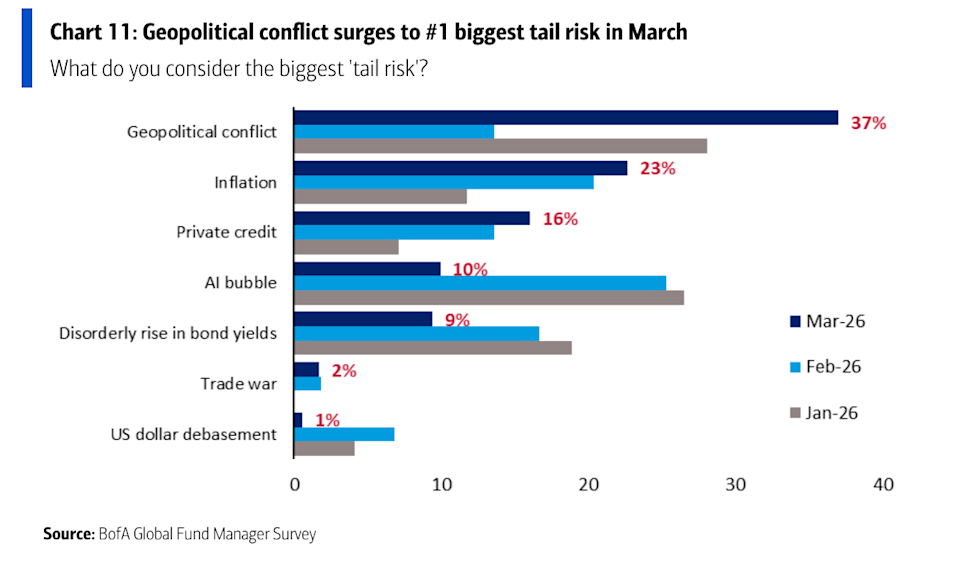
- Geopolitical Uncertainty: The most pressing risk is the potential for regional conflict to escalate. The Bank of Israel has already highlighted the need for a major budget revision due to ongoing security operations. Any deterioration in the geopolitical situation could undermine the local market preference, prompt capital outflows, and reverse recent gains. While the market has so far weathered global volatility linked to Middle East tensions, it remains vulnerable to further instability.
In conclusion, the current setup is driven by event-based factors. While the influx of funding and strong index performance are encouraging, they have yet to be fully reflected in company fundamentals. Geopolitical risks remain a significant concern. For tactical investors, there is an opportunity to benefit from positive sentiment and liquidity, but it is essential to have a clear exit plan should risks materialize or if the flow of venture capital into real business activity slows.
Disclaimer: The content of this article solely reflects the author's opinion and does not represent the platform in any capacity. This article is not intended to serve as a reference for making investment decisions.
You may also like
Cogent’s Shaky Turnaround Hinges on Scaling Optical Wavelengths Fast Enough to Offset Sprint Churn

This investor sold a $22 million GRAIL position just before the stock plunged 50% in a single day last month
People are uncertain about how prices will change in the short run, particularly at this moment.
Palo Alto’s CyberArk Bet: High Conviction, Thin Margin of Safety as Integration Clock Ticks

Trending news
MoreCrypto prices
More





