
Qatar Helium Shortage Poses Supply Chain Challenges for NVIDIA’s AI Chip Manufacturing

The Critical Role of Helium in Advanced Technology
Helium, while a specialized industrial gas, plays a vital role in the tech industry. Its exceptional characteristics are essential for cooling extreme ultraviolet (EUV) lithography equipment and maintaining the ultra-clean vacuum environments required for producing the most advanced semiconductors. These chips, which drive AI accelerators from companies like NVIDIA and are manufactured by industry leaders such as TSMC, rely heavily on helium during production. Over the past two years, the global helium market has experienced a surplus, providing a buffer against supply shocks.
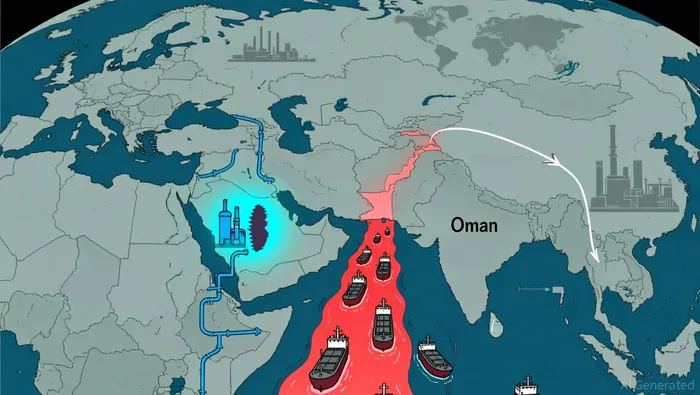
This resilience is rooted in a recent period of overproduction, where supply exceeded demand. However, current geopolitical tensions are putting this surplus to the test. Qatar, the world’s top helium supplier, produces about one-third of the global supply as a byproduct of its liquefied natural gas (LNG) operations at Ras Laffan. The majority of this helium is exported through the Strait of Hormuz, a critical maritime passage, making the supply chain particularly susceptible to disruptions.
Market Dynamics and the Impact of Geopolitical Disruptions
For companies like NVIDIA, the immediate effects of these disruptions are likely to be indirect and delayed. The existing surplus has cushioned the blow from recent conflicts. Experts estimate that, after accounting for a 30% reduction in global capacity due to halted Qatari output and a 15% surplus, the net shortage stands at around 15%. Although spot prices have doubled and a prolonged conflict could push prices even higher, the semiconductor sector currently has some leeway to adjust. The real challenge will be whether this temporary disruption leads to a lasting change in the market’s balance.
Price Volatility and Supply Chain Risks
The recent surge in helium prices is a direct response to the loss of supply from Qatar’s Ras Laffan facility, which typically provides about 5.2 million cubic meters of helium each month. If these interruptions persist for two to three months, analysts predict prices could climb another 25-50%, potentially surpassing $2,000 per thousand cubic feet—a textbook case of supply and demand imbalance.
For NVIDIA, the main concern isn’t the immediate increase in helium costs. The industry’s surplus has already absorbed much of the shock. The greater risk lies in the delayed effects of a prolonged supply interruption. Even after hostilities cease, restoring operations at Ras Laffan and ensuring safe passage through the Strait of Hormuz could take weeks or months, creating ongoing uncertainty and potential bottlenecks throughout the supply chain.
The situation could become especially problematic if a drawn-out conflict coincides with a spike in demand for AI chips. The market is already tight, with IDC forecasting a 13% decline in global smartphone shipments due to a memory chip shortage that may last until 2027. If helium shortages occur during peak demand for advanced processors, manufacturers may be forced to choose between using older, less efficient equipment or facing delays while sourcing critical materials. This could result in delays for advanced chips from TSMC, posing an indirect risk to companies like NVIDIA.
From a broader perspective, this conflict is testing the robustness of a market that has recently enjoyed a surplus. It underscores how even niche materials can become major bottlenecks under stress. The future impact on semiconductor costs will depend on how quickly stability returns and whether current buffers are sufficient to weather the storm.
Regional Vulnerabilities and Market Adaptation
The effects of the geopolitical shock are not evenly distributed among semiconductor producers. South Korea is particularly exposed, having sourced nearly 65% of its helium imports from Qatar last year. Taiwan faces similar risks, relying heavily on Qatari helium. This concentration of supply heightens vulnerability, especially since Taiwan is home to TSMC, the world’s leading manufacturer of advanced logic chips.
TSMC’s dependence on helium for EUV lithography makes it a critical point of risk. Although the company reports normal operations for now, any extended supply disruption could force difficult decisions, such as operating older equipment or accepting production delays. This would directly impact the rollout of NVIDIA’s next-generation GPUs and other high-demand chips.
Japan, by contrast, demonstrates the benefits of a diversified supply chain. With about half of its helium coming from the US and a smaller portion from Qatar, Japan’s chipmakers have more flexibility and inventory to absorb shocks. However, given the interconnected nature of the global semiconductor industry, no region is completely immune to disruptions.
Ultimately, the main risk is not an immediate spike in helium costs, but the potential for production delays and supply chain bottlenecks. While the recent surplus has provided a buffer, it has also concealed a significant vulnerability at the core of the industry’s supply network.
Key Factors to Monitor and Future Scenarios
Whether the current geopolitical turmoil escalates into a full-blown supply chain crisis depends on several factors. The most important are the length of the Qatari production halt and the status of shipping through the Strait of Hormuz. The existing surplus offers only temporary relief. If the Ras Laffan facility remains offline and the strait is blocked for an extended period, the surplus will be depleted, driving prices higher and creating real supply constraints.
Investors should pay close attention to updates from TSMC and other major chipmakers regarding their helium inventories. While companies have so far reported stable operations, any signs of inventory drawdowns or production changes would indicate that the supply shock is beginning to affect manufacturing directly.
The most concerning scenario would be a prolonged conflict coinciding with surging demand for AI chips, further tightening already strained supply chains. With the semiconductor industry facing a projected 13% contraction in the smartphone market due to ongoing memory chip shortages, a helium supply crisis would force manufacturers to make tough choices—potentially delaying the production of NVIDIA’s next-generation GPUs and other key processors, which could impact revenues and valuations over time.
So far, the market has responded with caution rather than panic. Asian technology stocks have declined, and TSMC shares have come under pressure due to concerns about production disruptions. For NVIDIA, the primary financial risk is not a sudden increase in helium costs, but the possibility of delays and bottlenecks in receiving advanced chips. The ultimate outcome will depend on how long the current supply constraints persist, the concentration of supply, and the ongoing high demand for AI hardware—factors that will determine whether this episode marks a turning point in the helium market or remains a temporary, though costly, challenge.
Disclaimer: The content of this article solely reflects the author's opinion and does not represent the platform in any capacity. This article is not intended to serve as a reference for making investment decisions.
You may also like
Gold Just Had Its Worst Week Since 1983: Here’s Where Smart Money May Go Next
What Vanishing Fed Rate Cut Odds Mean for Bitcoin and Crypto Markets

Shiba Inu Just Completed Death Cross, How Much Deeper Can Derisking Go?
Trending news
MoreCrypto prices
More





