
ZYXIQ: Legal Deadline Shows Shell Firm's Bankrupt Shares Hold No Worth

Understanding the Zynex Securities Lawsuit Deadline
The approaching April 21, 2026 deadline for investors to apply for lead plaintiff status in the Zynex securities case is largely procedural and does not represent a new turning point for the company. Zynex, which previously traded on Nasdaq, has already entered Chapter 11 bankruptcy and now trades over-the-counter as ZYXIQ. The stock’s value has plummeted to nearly nothing, falling from above $10 per share to just $0.07 as of March 20.
This class action, initiated in February 2026, accuses Zynex of orchestrating a fraudulent overbilling scheme that targeted both government and private insurers—a scandal that directly led to its bankruptcy. The class period covers early 2021 through late 2025, encompassing the alleged misconduct. The process of selecting a lead plaintiff is taking place after the company’s delisting and bankruptcy, making it a final, unlikely step for a business that is no longer operational.
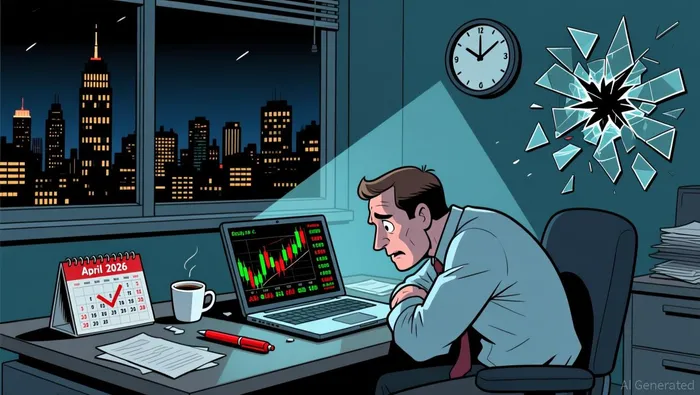
This deadline has no impact on the stock’s prospects. The allegations of securities fraud are now part of the company’s bankruptcy legacy, not a new event that could restore value. With the stock trading just above its 52-week low of $0.02, the market has already factored in Zynex’s collapse. Any legal proceedings now represent claims against an empty shell, not a catalyst for price movement. The deadline is administrative, not transformative.
The Financial State: Zynex in Bankruptcy
The focus on the lawsuit deadline distracts from the harsh financial reality. Zynex is not merely struggling—it is undergoing Chapter 11 bankruptcy, a process that prioritizes creditors over shareholders. In this scenario, the common stock is essentially worthless. The market’s judgment is clear, with shares trading at just a penny above their annual low of $0.02.
Currently, Zynex’s market capitalization stands at about $2.17 million, a shadow of its former value. This tiny figure reflects the market’s assessment that the company’s equity is nearly valueless—a direct result of the loss of investor trust following revelations of widespread overbilling. The negative price-to-earnings ratio of -0.03 further highlights the company’s lack of profitability and financial instability. This is not a typical valuation metric, but rather evidence that the business is no longer viable.
In this context, the securities lawsuit is simply a claim against what remains of the company. The lead plaintiff deadline is just a step in a bankruptcy process that has already determined the fate of shareholders. Any potential recovery for investors would be remote and only possible after all creditor claims are resolved—a scenario with little chance of providing value to shareholders. The numbers are clear: Zynex is bankrupt, its stock is worthless, and the lawsuit is a minor detail in its downfall.
Absolute Momentum Long-Only Strategy Backtest (ZYXIQ)
- Entry: Buy ZYXIQ when the 252-day rate of change is positive and the closing price is above the 200-day simple moving average (SMA).
- Exit: Sell when the price falls below the 200-day SMA, after 20 trading days, upon reaching an 8% profit, or if losses reach 4%.
- Backtest Period: March 22, 2024 – March 22, 2026
Backtest Performance
- Total Return: 26.75%
- Annualized Return: 16.42%
- Maximum Drawdown: 27%
- Profit-Loss Ratio: 1.68
Trade Statistics
- Total Trades: 25
- Winning Trades: 11
- Losing Trades: 14
- Win Rate: 44%
- Average Holding Period: 5.52 days
- Longest Losing Streak: 4 trades
- Average Gain: 10.04%
- Average Loss: 5.5%
- Largest Single Gain: 29.05%
- Largest Single Loss: 8.85%
Catalysts and Risks: Why They’re Irrelevant
The only potential triggers for ZYXIQ are the ongoing lawsuit and bankruptcy proceedings, but neither offers hope for shareholders. The class action seeks compensation for those who purchased shares between February 25, 2021, and December 15, 2025, a period that encompasses the company’s collapse. With the stock trading just above its lowest point, this lawsuit is a claim against a defunct entity, not a reason for the price to move.
Any possible payout from the lawsuit is highly uncertain and would only be relevant if the bankruptcy plan leaves something for equity holders—a scenario that is extremely unlikely. Creditors have priority, and Zynex’s substantial obligations, including an $85 million forfeiture to Tricare, mean there is virtually no chance of value remaining for shareholders. The lawsuit is a claim against a bankrupt company, not a development that could alter the stock’s fundamentals.
The main risk for investors is a total loss of their investment, which is almost guaranteed given the bankruptcy proceedings and the current share price. The market has already reflected the company’s demise, with ZYXIQ trading at $0.07. The April 21 deadline is a mere formality and does not change the outlook. There are no meaningful catalysts left—only the final steps in the winding down of a company that no longer operates.
Disclaimer: The content of this article solely reflects the author's opinion and does not represent the platform in any capacity. This article is not intended to serve as a reference for making investment decisions.
You may also like

ACL Shares Tumble on Buy-Back Call-Off and CEO Exit—Is the Sell-Off a Mispricing Opportunity?

South Korea's Won Plunge Tests Shin Hyun-song's Hawkish Stance at a Fragile Macro Crossroads

ACL’s decision to halt its buyback program reflects doubts about its leadership and diminishing trust.
Trending news
MoreCrypto prices
More





