
RAIN Launches AI-Ready SDK and $5M Grant Program to Expand Decentralized Prediction Markets

Rain, a decentralized
The initiative aims to foster a diverse ecosystem for prediction markets by addressing centralization in the space. Developers can now access funding and infrastructure to create and manage their own markets directly on the Rain protocol without centralized gatekeepers.
. , offering a financial incentive for innovation and ecosystem growth.What Is the Role of AI in This Initiative?
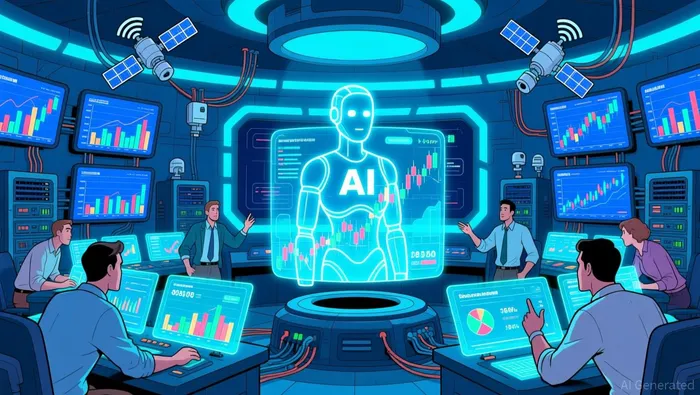
Rain's SDK is compatible with OpenClaw, an AI agent framework that allows AI agents to generate prediction markets from a single prompt. This integration enables developers to leverage agentic AI to automate and streamline market creation and management. Unlike traditional chatbots, agentic AI can perform tasks autonomously, follow directions, and use tools without constant human intervention. This shift reflects a broader trend in AI development, where systems are designed to complete complex workflows rather than merely answering questions.
What Are the Financial and Strategic Implications?
The grant program supports the development of private, invitation-only markets and offers daily ecosystem rewards to sustain growth. Rain's ecosystem is designed to support features such as automated market makers (AMMs),
By enabling developers to earn a share of trading volume, Rain introduces a sustainable revenue model that aligns incentives across the ecosystem. The CEO,
What Are the Broader Implications for AI and Enterprise Ecosystems?
The strategic shift toward software and ecosystem development is not unique to Rain. For example, highlighted software agents like OpenClaw as the next major step in AI. Huang emphasized that AI agents will increasingly focus on task completion, moving beyond answering questions to performing complex workflows. Nvidia is positioning itself to power the next generation of enterprise AI by offering secure, always-on assistants that can run across cloud and local environments.
Rain's focus on decentralized infrastructure and AI integration aligns with broader industry trends toward agentic AI. By enabling AI agents to create and manage prediction markets, Rain is contributing to a shift in how developers and enterprises interact with AI tools. This shift could lead to the development of more sophisticated AI applications in domains such as finance, logistics, and decision-making.
What Challenges and Risks Might Exist?
While the initiative aims to foster innovation and decentralization, it also faces challenges related to adoption and trust. Agentic AI raises complex issues around data privacy, permissions, and oversight. For instance, when a system can access tools, move through workflows, and act autonomously, it raises questions about accountability and data protection.
Rain’s approach includes privacy and security controls to address these concerns, but widespread adoption will depend on how well these features meet regulatory and user expectations. Additionally,
.Rain’s strategy reflects a broader industry evolution in AI and enterprise software. If agentic AI becomes widely adopted, the focus will shift from model training and inference to enterprise software, developer tools, and always-on services. By positioning itself as a key infrastructure provider for AI agents, Rain and similar platforms could become essential components of the next phase of AI development.
Disclaimer: The content of this article solely reflects the author's opinion and does not represent the platform in any capacity. This article is not intended to serve as a reference for making investment decisions.
You may also like
3 Dividend Stocks We Have Doubts About
Retiring in 2026? Take These Steps to Shield Yourself From a Potential Market Downturn.

SBI and Startale's Strium Network: An Always-Active Trading Platform for Tokenized Assets

Dimon's AI Workforce Transition: Impact on JPMorgan and Financial Markets

Trending news
MoreCrypto prices
More





