
CIGL Confronts May 18 Cutoff Amid Legal Ambiguity and Eroded Confidence, Leading to Valuation Distortions

Overview: Lawsuit as a Market Catalyst
A securities class action has been initiated, pinpointing a recovery window from April 21, 2025, to July 14, 2025. This legal action is not based on speculation, but on a specific claim linked to a sudden and artificial market event.
The event in question was a rapid surge in the stock price, which soared from its $4 IPO to a peak of $31.06 in July 2025. According to the lawsuit, this dramatic rise was orchestrated through a fraudulent stock promotion campaign, leveraging social media impersonators, with no legitimate business developments to justify the move. The subsequent collapse was just as swift, with shares plummeting by about 80% to $5.66 on July 10, 2025.
Currently, the stock is trading at approximately $1.92, reflecting a 7.7% decline for the day. The class period concludes on May 18, 2026, which is the last day for investors to join the legal action. The core argument is that the stock experienced a pump-and-dump scheme, and its fall from $31 to near $2 marks a fundamental reset. For traders focused on event-driven strategies, this situation presents a possible mispricing opportunity. The lawsuit aims to recover losses from the manipulated price surge, while the current valuation shows the aftermath of that manipulation. This scenario is a textbook example of a catalyst-driven trading opportunity, where the legal proceedings highlight a significant price distortion.
Fraud Scheme and Risk/Reward Dynamics
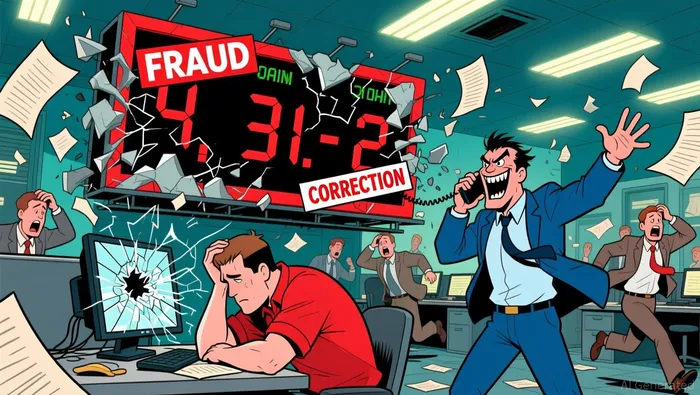
The complaint outlines a classic pump-and-dump operation, shaping the immediate risk and reward profile. The alleged fraud involved a coordinated effort to artificially inflate the stock price, followed by a calculated sell-off. The lawsuit claims that insiders and affiliates used offshore or nominee accounts to dump shares during the price surge. This manipulation allowed insiders to cash out at inflated prices before the inevitable crash.
Strategy Backtest: Volatility Expansion Long-only
- Entry: When ATR(20) exceeds 2.5 times the 60-day SMA and the closing price is below the 20-day SMA.
- Exit: When the closing price rises above the 20-day SMA, after 20 trading days, or upon reaching a 5% profit or 3% loss.
- Backtest period: March 23, 2023, to March 22, 2026, on CIGL.
- Strategy Return: 0%
- Annualized Return: 0%
- Maximum Drawdown: 0%
- Win Rate: 0%
Winners and Losers
The scheme produced clear winners and losers. Insiders who sold during the hype likely secured substantial gains, while retail investors who bought in during the frenzy were left with depreciated shares as the price collapsed. The lawsuit seeks to recover these losses, but the current price of $1.92 signals a lasting loss for those who held through the downturn.
For traders, the situation is defined by a loss of trust. The company failed to address the false rumors and artificial trading activity driving the stock price, undermining investor confidence. This breach makes future fundraising efforts more challenging and expensive, as skepticism will likely persist and limit any recovery.
The upside is tied to the lawsuit's outcome and the stock's deep undervaluation. With shares down roughly 94% from their peak and trading near IPO levels, a successful legal resolution could establish a price floor. The real opportunity for event-driven investors lies in the mispricing caused by the scandal. The current price reflects damaged trust, not business fundamentals. The risk is that the company remains stigmatized, while the reward could be a short squeeze or a turnaround if the fraud is resolved and operations stabilize. The May 18, 2026 deadline provides a clear, time-sensitive catalyst.
Tactical Considerations: May 18 Deadline and Short-Term Triggers
The lawsuit's class period ends on May 18, 2026, marking the final opportunity for lead plaintiffs to file. This creates a specific event for traders to monitor. While price action remains the main indicator, the deadline itself could impact settlement negotiations or the case's momentum.
At present, the stock sits at $1.92, down 7.7% for the day. This valuation reflects the fallout from a major fraud, not a healthy company. The tactical landscape is dominated by legal and reputational risks. If the allegations are substantiated, the company could face severe financial penalties and ongoing regulatory scrutiny. The failure to disclose false rumors and artificial trading activity represents a fundamental breach of trust.
For event-driven traders, the risk/reward equation centers on the erosion of trust versus the stock's steep undervaluation. Two key factors should be watched: first, any filings around May 18 that indicate a lead plaintiff's intent to pursue the case aggressively; second, the stock's price movement near this date, which could signal market expectations regarding legal developments or settlement outcomes.
Ultimately, this is a speculative, high-risk scenario with limited liquidity. The current share price does not reflect a viable business, but rather the consequences of broken trust. The lawsuit underscores this reality. The trading opportunity lies in the mispricing caused by the scandal, but the risk is that the fraud allegations permanently hinder the company's ability to raise capital or restore market confidence. The May 18 deadline is a crucial event to watch in this volatile environment.

Disclaimer: The content of this article solely reflects the author's opinion and does not represent the platform in any capacity. This article is not intended to serve as a reference for making investment decisions.
You may also like
Naya’s 17 New Stores in 2026 Test Scalability of Its Hands-On Model

Goodwin stock sinks 46% after contract losses, Iran war delays Middle East orders
UAI (UnifAINetwork) 24-hour amplitude 49.3%: Futures short pressure leads correction
Lamborghini Faces Margin Pressure: Strategic Shift Delays 2030 EV Ambitions Due to Pricing Challenges

Trending news
MoreCrypto prices
More





