
Hidden Currents in the Strait of Hormuz (Part I): Oil Prices Surge – Investment Opportunities Amid Crisis!【Zero-Fee Contracts, Weekly Draws, Free Stocks Await!】
 Bitget2026/03/23 08:26
On March 21, Trump posted a “48-hour final ultimatum” on Truth Social, threatening to strike Iran’s main power facilities if Iran did not immediately and unconditionally reopen the strait. Iran responded toughly: if its domestic energy facilities were attacked, it would launch strikes against all U.S. and Israeli energy and desalination facilities in the region. As soon as the news broke, international oil prices soared past $112/barrel, while global stock markets experienced violent swings.
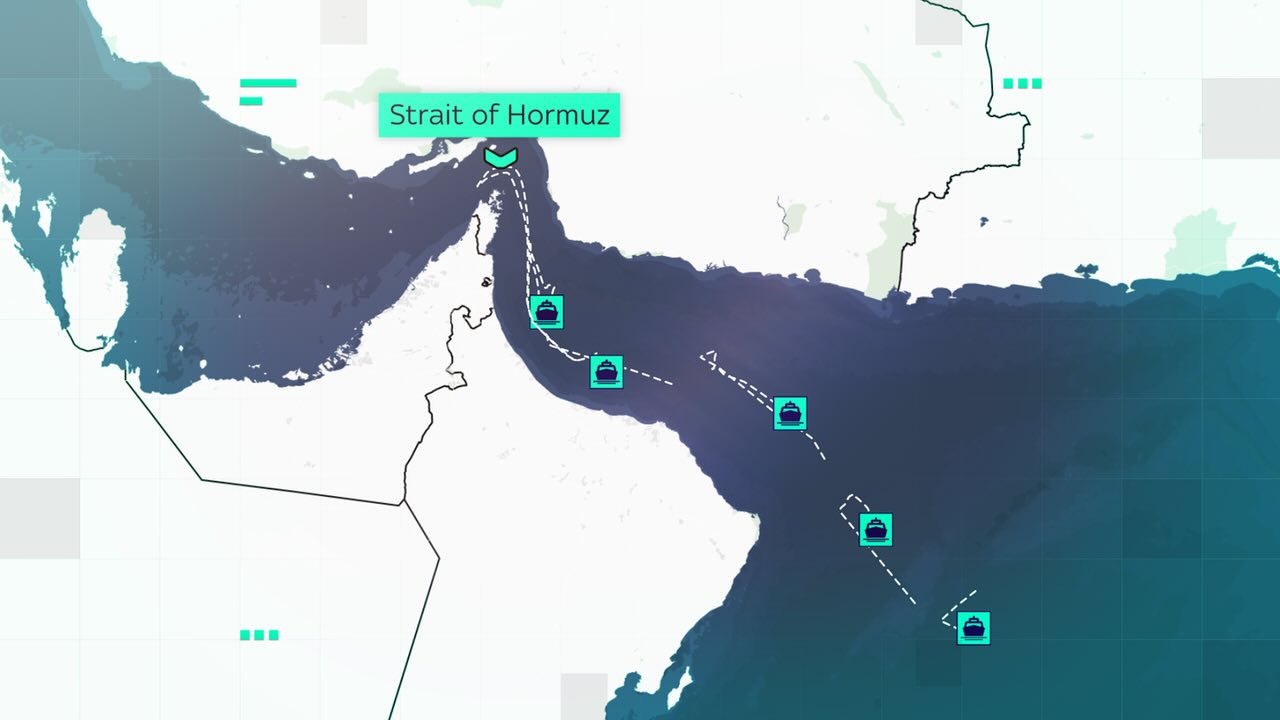
This is no longer the “usual Middle East friction.” It’s a direct standoff between two global energy blocs in the Strait of Hormuz, where every move is reshaping oil prices and the trajectory of the world economy.
But what truly sets this crisis apart from those in the past? How severe is the real risk?
1. See Through the Noise: Understanding Each Side’s Real Bottom Line
To forecast where this crisis is heading, you must first understand each side’s core interests—don’t be distracted by surface-level rhetoric:
Iran’s Logic: Asymmetric Leverage—Using Energy Risks to Gain Negotiating Room
On one hand, Iran knows it can’t match U.S.-Israeli hard power conventionally, but it holds the “global energy chokepoint.” Shutting the Strait for just one day can send waves of fear across global oil supplies. Every $10 spike in oil adds to U.S. inflation and economic pressure—intensifying Trump’s election worries. By controlling Hormuz, Iran masterfully exercises “weak against the strong,” leveraging potential global economic cost into bargaining power.
U.S. and Israel’s Logic: Calibrated Pressure, but Avoiding Full-Scale War
The U.S. and Israel’s main aim is to check Iran’s military expansion, not plunge the Middle East into total war. The reason is clear: if Iran were to strike regional energy infrastructure on a large scale, oil prices could skyrocket to $150/barrel, dragging the U.S. economy and the entire Western industrial chain into turmoil.
This means that while both sides will push right to the edge, they’re highly motivated to avoid crossing the ultimate red line.
Historical References
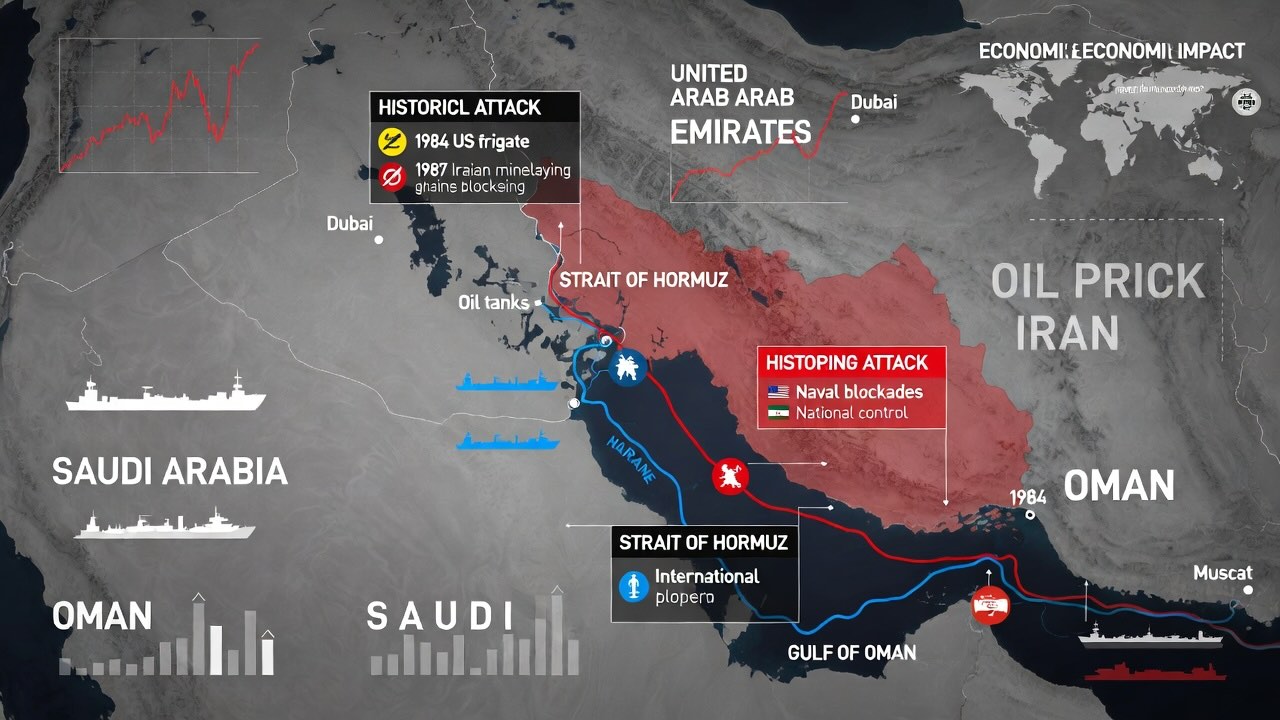
This logic isn’t theoretical—history bears it out:
- 1980–1988 “Tanker War”: Eight years of Gulf confrontation ended with a ceasefire deal.
- 2019 U.S.-Iran Gulf Crisis: Months of tense face-off eventually cooled via diplomatic maneuvering.
- 2020 Soleimani Incident: Markets panicked briefly, but oil prices gave up most gains within two weeks.
Most mainstream institutions now concur: short of a major military miscalculation, the Strait of Hormuz is likely to normalize through Q2 this year, with the geopolitical risk premium in oil prices systematically narrowing.
In other words, current market pricing may have overestimated the real risk. The fear premium itself is now creating opportunity.
2. When Panic Exceeds Reality: The Window for Capital Entry
Some of the greatest financial opportunities arise during dislocations between sentiment and reality.
Oil prices are stretched, market sentiment is hypersensitive. But if the core judgment holds—namely, the crisis is manageable and will gradually ease—then now is precisely when well-prepared investors should consider prudent positions. Here’s an analytical framework of three key stock targets and one trading instrument:
The best opportunities often hide when fear drives prices far beyond fundamentals. Currently, for opportunities arising from surging oil prices, three core stocks deserve attention:
- COPUSDT (ConocoPhillips): A leading U.S. oil & gas upstream giant, highly leveraged to oil price moves, noted for robust growth.
- XOMUSDT (Exxon Mobil): Global energy titan, diversified operations, excels in earnings during high oil price cycles.
- OXYUSDT (Occidental Petroleum): Shale oil leader, high operational efficiency, strongly responsive to oil prices.
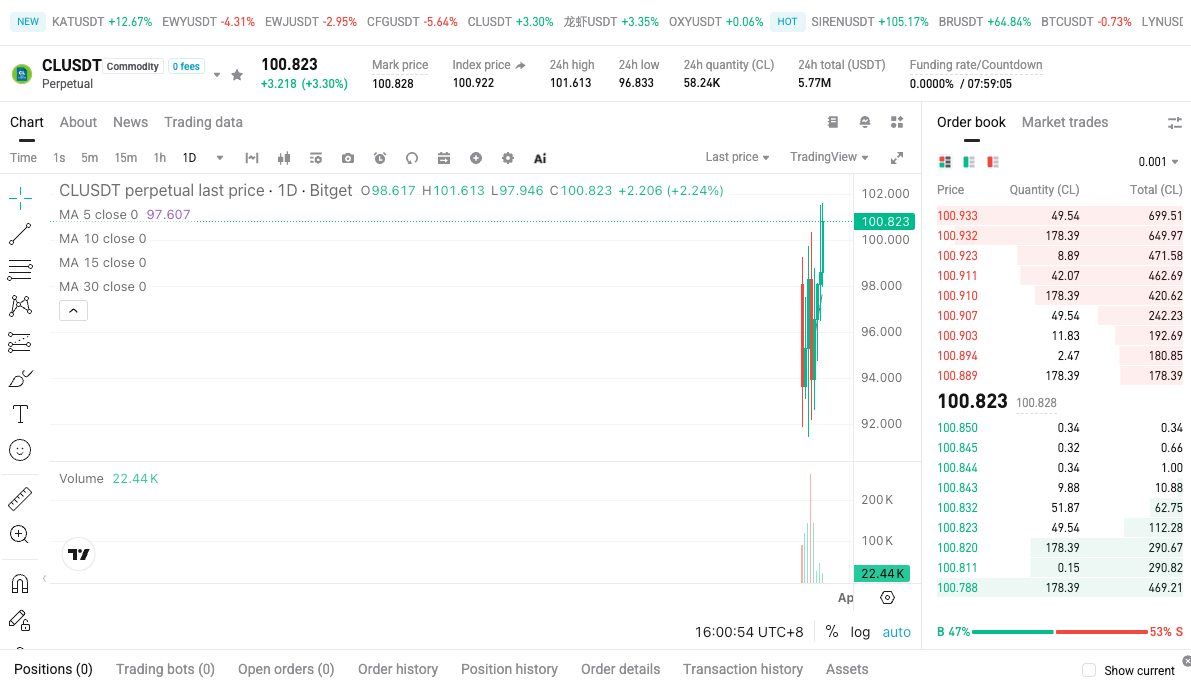
In addition, Bitget has launched 20X CLUSDT contracts, enabling investors to capture market swings and seek excess returns efficiently in a volatile environment.
Conclusion
The Strait of Hormuz may seem remote, but it’s often the epicenter of storms shaping your asset trajectory and portfolio performance. Smart investing anchors on logic, probability, and calm—ride out the panic, position into quality targets, and let crisis become the next springboard for opportunity.
In the short term, the trio of oil giants (COP, XOM, OXY) + WTI crude CLUSDT20X long/short contracts is the optimal configuration to harness market dislocation. Medium term, as risk abates and oil prices retreat, consider scaling out profits in batches and wait for the next rotation opportunity after consolidation. Caution: If Iran’s energy facilities suffer severe strikes leading to uncontrollable escalation, strict risk management is essential.
Limited-time offer is live! Click this link to join now!
- Lifetime zero-fee US stock contract trading with weekly prize draws!
- Participate for a chance to win free shares of popular US stocks like TSLA and NVDA!
Disclaimer: This article is for reference only and does not constitute investment advice. Investing involves risk—exercise prudence in decision-making.
Disclaimer: The content of this article solely reflects the author's opinion and does not represent the platform in any capacity. This article is not intended to serve as a reference for making investment decisions.
You may also like
OLMA Surges 12% in Pre-Market — But No Catalyst in Sight
Antithesis' $105M Funding: A Flow Signal for Crypto & Trading Infrastructure
Trump’s Conflict “Thoroughly Executed” — Oil’s $120 Limit Remains a Threat as Temporary Price Recovery Weakens


Trending news
MoreCrypto prices
More





