
Insurance Costs, Not Mining Activities, Are Hindering Passage Through the Strait of Hormuz

Insurance Costs Paralyze Shipping in the Strait of Hormuz
The main factor stopping ships from passing through the Strait of Hormuz is not a physical blockade, but soaring commercial insurance expenses. Coverage for vessels navigating this crucial route has climbed to nearly 5% of a ship's total worth—five times higher than before the conflict. For a $100 million oil tanker, this means a $5 million insurance premium, which, while technically available, is far too expensive for most ship owners to justify.
These steep premiums have led to a dramatic reduction in shipping activity. Since hostilities began, only 21 tankers have made the journey through the strait, compared to the usual daily traffic of over 100 vessels. The combination of high costs and safety concerns has deterred most owners from risking passage. Iran's Foreign Minister has pointed to insurance companies' reluctance as the main reason for the slowdown, attributing the situation to U.S. actions that have made shipping too dangerous to insure.
The outcome is an effective blockade. While Tehran appears to permit limited non-Iranian cargo transit, the vast majority of ships remain anchored outside the strait, causing a significant backlog. This insurance-driven standstill highlights how financial pressures can halt vital global trade routes without any physical obstruction.
Oil Shipments Plummet and Markets React
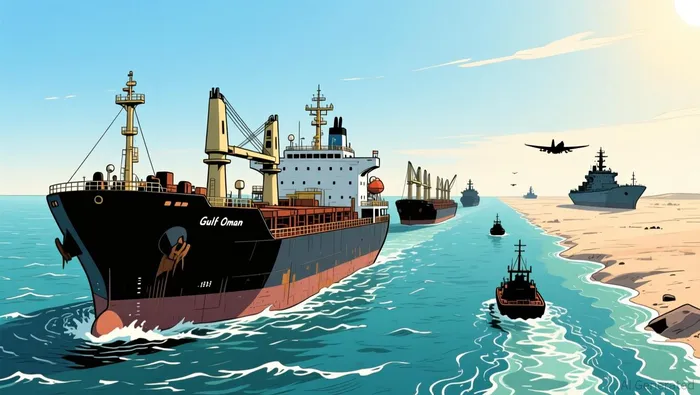
Oil exports through the strait have dwindled to a mere trickle, with only 21 tankers passing since the conflict began. This sharp decline is directly tied to the insurance crisis, leaving most ships idle in the Gulf of Oman and creating a mounting backlog. The strait is a critical artery for global energy, normally handling about 20% of worldwide oil shipments, so its disruption has far-reaching consequences.
Some vessels, often linked to China or India, have managed to secure passage through negotiated agreements. While Tehran allows select non-Iranian cargo to transit, these exceptions are too few to stabilize the global oil market. The result is a severe supply shock, with oil-producing nations such as Iraq and Kuwait already reducing output as storage facilities reach capacity and exports stall.
Current market forecasts indicate a near certainty of continued closure throughout the second quarter. The risk of prolonged disruption and escalating prices is substantial. This creates a highly unstable environment where any easing of tensions could quickly reverse the situation, but ongoing conflict would cement a major supply shortage.
Key Factors and Risks Affecting Transit
The most immediate solution for reopening the strait is a coordinated multinational naval intervention. The United States is actively seeking support, and countries including Britain, France, Germany, Italy, the Netherlands, and Japan have pledged to assist in securing safe passage. Such a coalition would likely be deployed if commercial vessels are attacked or if the disruption persists, aiming to restore security and confidence in the waterway.
Despite these efforts, the main challenges remain financial and operational. Elevated insurance premiums and persistent safety concerns will continue to restrict shipping. War-risk premiums have soared to 0.5% to 1% of a vessel's value or even higher, making transit economically unfeasible for most owners. Even with naval escorts, ship operators must contend with these prohibitive costs and ongoing risks, creating a dual obstacle to movement.
This situation has established a precarious balance. A successful naval operation could prompt a rapid return to normal shipping, but limited action or resistance would leave the insurance-driven bottleneck in place. As a result, the market remains braced for extended disruption, with any reduction in tensions likely to trigger a swift drop in prices, while continued instability would ensure a persistent supply gap.
Disclaimer: The content of this article solely reflects the author's opinion and does not represent the platform in any capacity. This article is not intended to serve as a reference for making investment decisions.
You may also like
SIREN drops hard after hitting record high on BNB Chain
ECB's Pontes Pilot: A Flow-Oriented Justification for Central Bank Currency

There May Be an “Indirect” Collaboration Between Intel and an Altcoin

Rezolute Provides Update on its Congenital Hyperinsulinism Program Following FDA Meeting
Trending news
MoreCrypto prices
More





