
Iran Introduces Highest Value Banknote in History as Inflation Surges and Regional Tensions Intensify

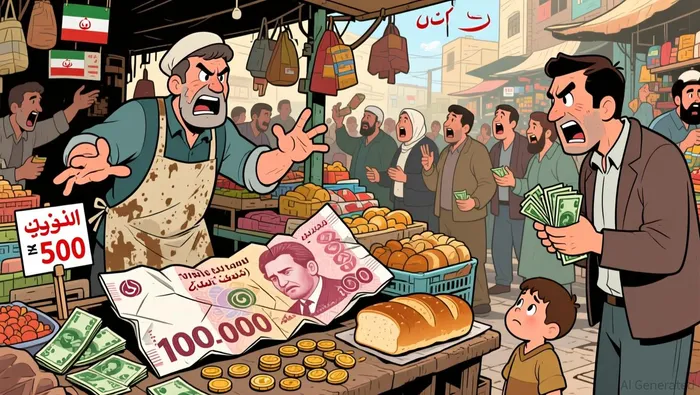
Iran Issues Highest Denomination Banknote Amid Economic Turmoil
In response to soaring inflation that has deeply affected its economy, Iran has introduced its largest banknote to date. This measure comes at a time of heightened geopolitical strife and ongoing conflict, which have disrupted international trade and energy flows. The U.S. Treasury has, for a limited period, permitted the sale and shipment of crude oil and petroleum products from Iranian vessels, marking a temporary relaxation of sanctions to help stabilize the energy market. Meanwhile, nations such as Canada and Bangladesh are rolling out financial assistance and seeking outside funding to offset the impact of escalating energy and fertilizer costs brought on by the conflict.
Temporary U.S. Sanctions Relief
The U.S. authorization, which is set to last for 30 days, allows a controlled amount of Iranian oil to re-enter the global market. This move is intended to address immediate supply shortages without undermining the broader sanctions regime targeting Iran’s energy sector.
Support for Farmers and Agribusinesses
Canada’s Farm Credit Corporation has broadened its Trade Disruption Customer Support Program, offering up to C$500,000 in additional credit to farmers and agricultural businesses. This assistance is especially important as costs for fertilizer and energy continue to climb, with the planting season in the northern hemisphere approaching.
What Is Driving These Developments?
Surging energy prices and the ongoing conflict involving Iran have triggered crises in both energy and agricultural markets. Bangladesh, heavily reliant on imported energy, is seeking over $2 billion in external funding to secure fuel and liquefied natural gas supplies. The government is negotiating with major development banks and plans to utilize existing IMF programs to help stabilize its economy.
Within Iran, the introduction of a new high-value banknote reflects the government’s struggle to maintain economic stability amid the pressures of war, sanctions, and internal challenges.
Market Responses
Global energy markets have responded with caution to the U.S. decision. Market participants are closely watching how much Iranian oil will be exported during the 30-day window and whether this will have a noticeable effect on prices. However, the limited scope of the authorization has kept expectations in check.
Canadian farmers and agribusinesses have welcomed the new financial support, which helps them cope with the increased costs resulting from the indirect effects of the Iran conflict on fertilizer and energy prices.
Key Issues for the Future
- Analysts are monitoring Iran’s actions in the Strait of Hormuz, as the country has pledged to continue disrupting this vital shipping route. Prolonged instability here could further impact global energy prices.
- The effectiveness of Canada’s aid measures and Bangladesh’s success in securing external funds and diversifying energy sources will be crucial for regional economic stability.
- Geopolitical risks remain elevated, with Iran insisting it is not in negotiations with the U.S. and vowing to maintain its stance until it achieves deterrence. Observers are watching for any escalation or diplomatic efforts that could shift the course of the conflict.
Disclaimer: The content of this article solely reflects the author's opinion and does not represent the platform in any capacity. This article is not intended to serve as a reference for making investment decisions.
You may also like
Bear Lodge's FAST-41 Approval Effort Confronts Challenge with 2026 Pilot Plant Deadline Approaching

AVAX Holds Firm at Key Levels, Fuels Hopes for Short-Term Rally
Bitcoin PMI Cycle Is The Only Signal That Matters, Analyst Explains Why

Trending news
MoreCrypto prices
More





