
Understanding Supply-Side vs. Demand-Side Inflation: A Framework for Navigating Market Volatility

Inflation is a term we hear often, but understanding its two main drivers—supply-side and demand-side inflation—can help investors make smarter decisions during market swings. This article breaks down these concepts, their impact on the stock market, and how you can use this knowledge to navigate uncertainty.
What Are Supply-Side and Demand-Side Inflation?
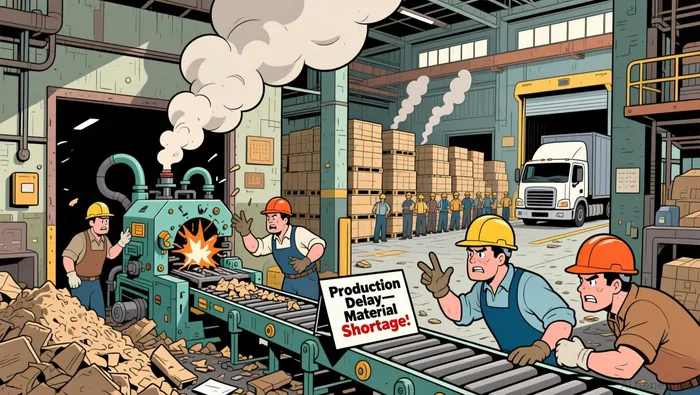
Supply-side inflation occurs when the cost of producing goods and services rises. Think of it as a "cost push." For example, a global shortage of computer chips (a supply issue) might force carmakers to raise prices. Similarly, a sudden spike in oil prices (a key production input) can lead to higher costs for everything from gas to groceries.
Demand-side inflation happens when demand for goods and services outpaces supply. This is a "demand pull." Imagine a booming economy where consumers are spending aggressively, but companies can’t increase production fast enough—prices rise as a result. The 2020-2021 post-pandemic surge in demand for electronics, for instance, led to shortages and higher prices.
How Inflation Affects the Stock Market
The type of inflation matters for stocks. Supply-side inflation often pressures company profits because rising costs (like labor or materials) can’t always be passed on to customers. Sectors like manufacturing or energy may struggle, while companies with strong pricing power (the ability to raise prices without losing customers) might fare better.
Demand-side inflation, on the other hand, can be a double-edged sword. While strong consumer demand boosts sales for companies in sectors like retail or hospitality, it may also prompt central banks to raise interest rates to cool the economy. Higher rates can make borrowing more expensive, slowing growth and hurting stock valuations.
Strategies for Investors
- Sector Rotation: During supply-side inflation, consider sectors less sensitive to cost shocks, like healthcare or utilities. During demand-side inflation, growth stocks in consumer-facing industries might thrive—until rate hikes intervene.
- Hedge with Commodities: In supply-driven inflation, investing in gold, oil, or agricultural commodities can protect against rising prices.
- Monitor Policy Responses: Central banks often react to demand-side inflation with interest rate hikes. Stay informed about these moves and adjust portfolios to minimize risk.
Case Study: The 2020-2021 Inflation Mix
The pandemic created a unique mix of both inflation types. Supply chains were disrupted (supply-side), while stimulus checks and pent-up demand drove consumer spending (demand-side). The S&P 500 rose over 30% in 2021, but sectors reacted differently. Energy stocks (battered in 2020) surged 50% as oil prices rebounded. Tech stocks, however, faced pressure as rising rates made high-growth companies less attractive. This example shows how understanding inflation’s drivers helps investors spot opportunities and risks.


Risks and Considerations
Misjudging the type of inflation can lead to poor decisions. For example, investing in growth stocks during supply-side inflation might backfire if companies can’t offset rising costs. Always diversify, stay flexible, and track economic indicators like the Producer Price Index (PPI) for supply-side clues or the Consumer Price Index (CPI) for demand-side trends.
Key Takeaways
- Distinguish between cost-driven (supply) and demand-driven inflation to tailor your strategy.
- Adjust your portfolio based on which forces are at play—sector shifts and hedging tools can help.
- Stay informed about policy responses, as they shape market conditions.
By grasping these dynamics, investors can better navigate volatility and make decisions aligned with the forces driving the economy and markets.
Disclaimer: The content of this article solely reflects the author's opinion and does not represent the platform in any capacity. This article is not intended to serve as a reference for making investment decisions.
You may also like

CurveBeam AI Names Stryker Vet Patrick Fisher to Drive U.S. Adoption and Unlock China Partnership Value

Nintendo’s 30% Switch 2 Production Cut: A Tactical Inventory Rebalance or a Warning Sign?


Trending news
MoreCrypto prices
More





