
Standard Chartered's 2026 Reporting Transformation: Embracing a Bold, Wealth-Focused AUM Strategy with Significant Risks and Rewards

Standard Chartered Faces Major Regulatory-Driven Transformation
Standard Chartered is undergoing a significant transformation due to a strict regulatory deadline. The Financial Reporting Council (FRC) has introduced a major revision to FRS 102, which will be enforced for accounting periods starting on or after January 1, 2026. This update is compulsory and will directly affect the bank’s next annual financial statements.
Key Changes in Lease Accounting
The most notable adjustment in the new standard concerns how leases are reported. The previous approach, which distinguished between finance and operating leases, will be eliminated. Instead, lessees must now record right-of-use assets and corresponding lease liabilities for most leases on their balance sheets. This brings UK GAAP in line with IFRS 16 and marks a fundamental shift in accounting methodology.
This change will immediately impact the bank’s balance sheet by increasing both assets and liabilities. As a result, leverage ratios such as gearing will be compressed, which could instantly alter how the bank’s risk profile is perceived. For Standard Chartered, which manages a large number of branch and office leases, this is a pivotal moment that necessitates a complete overhaul of its financial reporting processes.
Segment Reporting Revamp: Meeting New Disclosure Standards
Standard Chartered’s restructuring of its business segments is a direct response to the updated regulatory requirements. The bank is discontinuing its traditional ‘Personal Banking’ segment and launching a new ‘Emerging Affluent’ category, effective January 15, 2026. To qualify, customers must maintain at least ₦7.5 million in assets under management by February 2026.

This transition to an AUM-based model is more than a marketing adjustment—it aligns with the revised FRS 102’s emphasis on performance obligations and service-driven revenue. The former segment structure, which focused on transaction counts and deposit levels, no longer matches the new standard’s requirements. By reorganizing around assets under management, the bank’s reporting will better reflect the recurring, fee-based nature of wealth management, which is central to the updated rules.
To reinforce this shift, Standard Chartered will close select branches to streamline operations. Additionally, accounts falling below the new minimum threshold will be closed automatically starting in February. Together, these measures represent a comprehensive transformation of both internal reporting and public disclosures, ensuring compliance with the new regulatory framework.
Short-Term Financial Effects and Investor Messaging
This strategic overhaul brings immediate financial consequences. The bank aims to boost revenue per client by prioritizing wealth management fees, which are less sensitive to interest rate fluctuations. However, this approach risks losing customers with lower-margin deposit accounts. Accounts with balances below ₦7.5 million will be closed automatically from February 2026, reducing the bank’s base of low-cost deposits in favor of a smaller, higher-value client pool—though these assets may be less stable.
Standard Chartered’s robust capital position, with a CET1 ratio of 14.1% at the end of the period, offers a cushion during this transition. However, the shift in customer demographics could influence future risk-weighted asset calculations, as wealth management clients are assessed differently than traditional depositors. The new lease accounting rules will also compress leverage ratios, complicating the picture for investors.
Market Reaction and Communication Challenges
Clear communication will be essential. The bank must distinguish between the one-off regulatory impacts and its broader strategic direction. Recent market performance highlights this challenge: despite strong capital returns and improved guidance, the share price remained flat following the latest earnings release. This tepid response suggests investors are wary of the short-term costs and operational challenges, rather than seeing immediate value in the restructuring. As the new segment structure and accounting standards take effect, the resulting volatility in reported figures may further unsettle the market.
Opportunities and Risks for Event-Driven Investors
For traders, the situation is defined by a looming deadline and a significant shift in the customer base. The critical date is February 2026, when the new minimum balance requirement takes effect. Early data on customer attrition and the growth of assets under management will be closely watched. The bank is betting that increased wealth management fees will compensate for the loss of low-margin deposits. However, there is a risk that this move could alienate a substantial portion of the Nigerian market, potentially harming the bank’s reputation and long-term prospects.
The first-quarter 2026 results will be the initial test. Investors will look for transparency in how the new FRS 102 rules and segment reporting are implemented. The changes in lease accounting will affect leverage ratios, while the new segment structure will shift the revenue mix. Any lack of clarity in separating these one-off effects from ongoing business performance could keep the stock volatile.

Operational challenges are a key risk. Closing branches and automatically shutting down accounts below the threshold could lead to customer dissatisfaction and increased regulatory attention, potentially overshadowing the strategic benefits. While the bank’s strong capital base, with a CET1 ratio of 14.1%, provides some protection, it cannot fully shield the bank from reputational harm. The ultimate success of this strategy depends on smooth execution that limits disruption and convincingly demonstrates the profitability of the new model.
Potential Rewards and Final Considerations
If Standard Chartered can successfully attract and retain the “Emerging Affluent” segment, the bank stands to benefit from a more profitable, higher-margin business. In the short term, the outcome is binary: either customer losses are contained and assets under management grow as planned, validating the strategic shift, or the backlash and deposit outflows create greater challenges than anticipated.
Disclaimer: The content of this article solely reflects the author's opinion and does not represent the platform in any capacity. This article is not intended to serve as a reference for making investment decisions.
You may also like
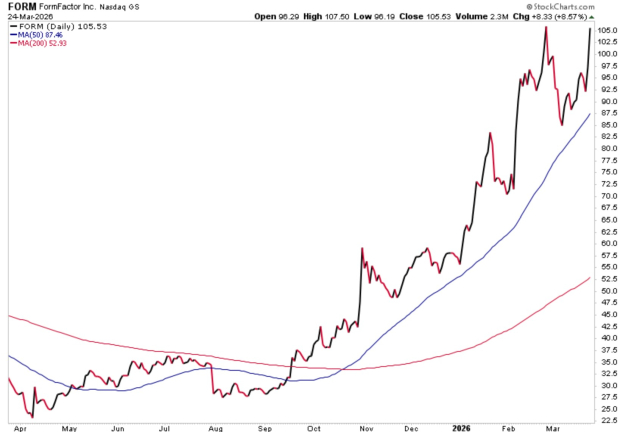
Bull of the Day: FormFactor (FORM)
PRL (Perle) sees 455.6% amplitude in 24 hours: Surge driven by multiple exchange listings and TGE events
ECB targets summer for digital euro standards: Cipollone
Trending news
MoreCrypto prices
More





