
Trojan Gold: Quiet Advance by Insiders Debt Exchange Conceals Emergency Funding Predicament

Trojan Gold’s Debt-for-Equity Moves: Signs of Financial Strain
Trojan Gold’s recent financial maneuver is simple on the surface, but the underlying numbers highlight ongoing cash challenges. On March 25, the company completed a private placement, issuing 501,390 units at $0.10 each to settle $50,139 in debt. This approach—swapping debt for equity—is a familiar strategy among junior miners facing liquidity issues. Each unit consisted of one common share and half a warrant, with a full warrant exercisable at $0.15. This means the warrant’s strike price is 50% higher than the unit’s issue price, offering a significant discount to those participating.
This isn’t the first time Trojan Gold has used this method. Back in January, the company cleared $200,000 in debt by issuing 2 million units at the same $0.10 price. The repeated use of this structure—shares and warrants at $0.10 and $0.15—shows a clear pattern: the company is using discounted equity to pay off old debts, a strong indication that its cash reserves are running low.
Insider Participation: Transparency Concerns Remain
For investors, the key question is whether these deals represent a genuine opportunity or a warning sign. The structure of these transactions points to financial pressure. The real indicator, however, is insider involvement. The company disclosed that some insiders took part in the March offering, classifying it as a "related party transaction." Because the deal was less than 25% of the company’s market cap, it didn’t require shareholder approval. But it’s unclear whether insiders are increasing their stakes or just maintaining their positions. The filings confirm no new insiders were created, but don’t specify how much insiders bought—leaving a crucial information gap.
When insiders have conviction, they typically make their moves public. In this case, the available disclosures are limited. The January placement is the only one with a named insider: the CFO, Jon Li, swapped 100,000 shares for $5,000 in debt—a modest commitment given the company’s size. In March, while the company confirmed insider participation in the $50,000 debt swap, it withheld names and details. This lack of clarity is troubling, as meaningful insider buying is usually a positive signal. Without it, investors are left guessing about management’s true intentions.
Ultimately, the only confirmed insider investment dates back several months. The March transaction, despite being labeled a "related party transaction," offers little transparency. Without knowing who participated, it’s impossible to gauge whether insiders’ interests align with those of other shareholders. In a company trading equity at a steep discount to settle debts, this silence is more telling than any press release.
Trojan Gold’s Financial Health: A Company Under Pressure
Trojan Gold operates as a junior explorer with no current production and limited resources. Its activities are concentrated in Ontario’s Hemlo and Shebandowan gold camps, where it holds a 50% joint venture in one property and full ownership of another. However, the company remains in the exploration stage and has yet to generate revenue. Its business model relies on discovering a deposit valuable enough to attract a larger mining partner.
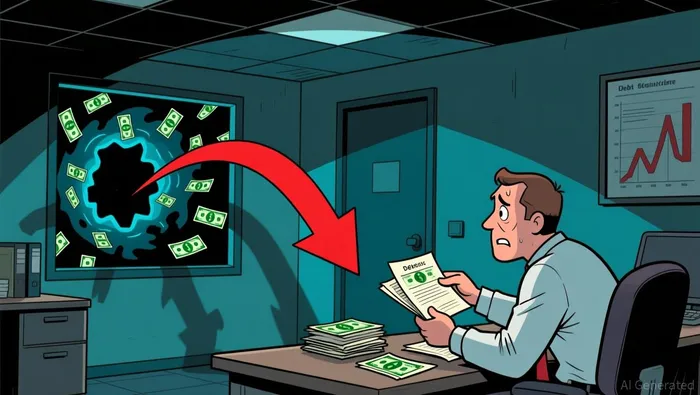
The financial picture is challenging. Over the past two months, Trojan Gold has eliminated a total of $250,139 in debt through two private placements—a modest sum for a company with exploration ambitions. Such an amount barely covers basic expenses, let alone a drilling program. The fact that the company is using discounted equity to settle relatively small debts highlights ongoing cash flow problems. Rather than raising funds for growth, Trojan Gold is simply trying to stay afloat.
This isn’t a new tactic for the company. In November 2023, it completed a $5,000 debt swap with its CFO. The repeated use of discounted shares and warrants underscores a company in survival mode, trading future equity for immediate relief and diluting shareholders with each transaction. When debt-for-equity swaps become routine, it’s a sign of a company struggling to maintain financial stability.
What’s Next? Key Catalysts and Risks for Investors
For those considering an investment, the next major catalyst would be a substantial, non-dilutive financing or a strategic partnership. While the company claims proceeds will fund exploration, this remains to be seen. The real test is whether Trojan Gold can attract significant capital from a partner who believes in its assets—without further diluting shareholders at a discount. Until then, the company’s financial pressures persist.
The main risk is that this pattern resembles a classic pump-and-dump scenario. Insiders are using cheap equity to pay off debt, diluting public shareholders in the process. The repeated related party transactions, where insiders swap debt for discounted shares, suggest a misalignment of interests. Essentially, the company is settling obligations with future equity that may be worth less than the cash owed, a common tactic among junior miners but one that increases volatility for public investors.
So, what should savvy investors monitor? The first sign to watch for is any future insider transaction filings or institutional buying. If a major investor or executive buys shares at market price—not just through debt settlements—it would signal real confidence. The lack of such activity in the March deal is notable; the next insider report will reveal whether this trend continues.
In summary, Trojan Gold remains a speculative, high-risk investment. The prudent approach is to wait for a meaningful catalyst that demonstrates the company can fund its operations without further diluting shareholders. Until then, the ongoing use of discounted equity swaps should be viewed as a warning, not an opportunity.
TGII, TGII RSI Chart
Disclaimer: The content of this article solely reflects the author's opinion and does not represent the platform in any capacity. This article is not intended to serve as a reference for making investment decisions.
You may also like
GBP/JPY remains above 213.00, aiming for the monthly peak as JPY weakness persists
Crypto Case Over Money Transmitter Laws Dismissed by US Judge
Car Group Dividend Trap: 107% Payout Ratio and Premium DRP Indicate Potential Risks Before August Earnings
Gold holds steady near $4,500 as Middle East events unfold and the US dollar strengthens
Trending news
MoreCrypto prices
More





