
UPS’s 6.6% Yield Hides a Cash Flow Squeeze and Turnaround Gamble in April

A 6.6% dividend yield sounds like a steal, but in the world of investing, it's often a red flag. The core debate here is whether UPS's high payout is a value opportunity or a classic "yield trap." The math is straightforward: dividend yields move in the opposite direction of stock prices. When a stock falls sharply, the yield on the same dollar dividend payment climbs dramatically. That's exactly what's happened with UPSUPS-2.77%.
The company's stock has fallen roughly 28% from its all-time high. That steep decline is the primary reason the yield appears so high today. It's not because UPS is suddenly paying out more than usual; it's because the price of the stock has dropped so far. This pattern is a well-known warning sign. As seen with other companies like LyondellBasell, a yield that spikes to double digits often signals underlying business strain, not a bargain.
The strain becomes more concrete when you look at the cash flow. Analysts note that the dividend payout will exceed free cash flow this year. In simple terms, the company is paying out more in dividends than it's generating in cash from its core operations. This stretches the company's cash register, using money that could be reinvested in the business or saved as a rainy day fund. While analysts expect this situation to improve next year, the current gap creates a tangible risk. If the company's financial performance doesn't rebound as planned, maintaining this payout could become difficult.
So, the 6.6% yield is a classic setup for a yield trap. It's a high payout resulting from a falling stock price, coupled with a dividend that currently consumes more cash than the business is producing. For an investor, this means the dividend itself is the risk, not the opportunity. The yield looks high because the stock price has fallen far, and the payout is already putting pressure on the company's cash flow. The real question isn't about the current yield, but whether UPS can grow its way out of this cash flow squeeze before the dividend becomes the next casualty.
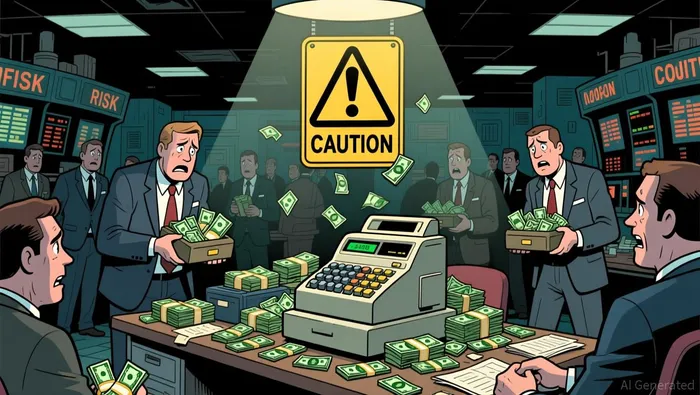
The Business Behind the Numbers: A Strained Cash Register
The numbers tell a story of a company under pressure. Last year, UPS reported adjusted earnings per share of $9.72. That figure looks solid on paper, but the underlying business is struggling. Revenue growth has slowed to just 3.1%, and the company actually missed analyst estimates. This gap between reported profit and weak top-line growth is a classic sign of strain. The business is likely relying on cost cuts or one-time items to maintain earnings, which isn't a sustainable path for long-term health. This pressure directly impacts the cash register. The high dividend payout ratio-cited at 87%-means a massive portion of the company's cash flow is already committed to shareholders. In practical terms, this leaves a very thin rainy day fund for the company. When operating performance is challenged, as it is now with softening demand and slowing consumer spending, that cash is stretched thin. The dividend isn't just a reward; it's a major, fixed expense that must be paid before any money can be saved or reinvested.
Management's ability to keep the dividend safe is now entirely tied to improving operating performance. The company is trying to shift toward higher-margin customers and cut costs, but these are tactical moves. The real test is whether the core delivery business can grow revenue again. If consumer spending remains weak, the cash flow needed to cover that 87% payout ratio will be harder to generate. For now, the dividend appears secure, but its sustainability is a direct function of the business's ability to turn around. The high yield is a symptom of a business that needs to earn more cash just to keep paying its current dividend.


The April Investment Thesis: Why Now Might Be a Calculated Risk
April is a natural time for investors to review their income streams. With over 1,400 securities scheduled to pay dividends this month, it's a practical moment to assess which holdings are delivering and which might be risky. For UPS, this timing frames a clear, if cautious, investment thesis. The stock's steep fall has created a high-yield opportunity, but the real bet is on a turnaround that can secure the dividend and drive the price higher.
The primary catalyst for a recovery is improved fiscal results. Management's strategy of shifting to higher-margin customers and cutting costs is designed to boost cash flow. If this works, it could close the gap where the dividend currently exceeds free cash flow. Stronger earnings would not only make the payout safer but could also justify a higher stock price. As one analysis notes, improved fiscal results will not only secure the dividend but could also drive a further recovery in share price. The setup is that of a turnaround stock: the market has punished it harshly, and a beat on expectations could trigger a rerating.
Yet the biggest risk is a mild freight recession. The company's balance sheet is already stretched by the high dividend payout. If economic weakness hits shipping volumes, the cash flow needed to cover that 87% payout ratio could dry up. In that scenario, management might be forced to cut the dividend to protect the business. As one warning states, if freight experiences a recession, even mild, I'm concerned that dividend will be cut. This would turn the current yield trap into a permanent loss for investors who bought in for the income.
So, April presents a calculated risk. The high yield is a direct result of past strain, but the company is actively trying to fix its cash register. For a cautious investor, the month offers a chance to buy into a turnaround story at a discount, with the dividend as a potential income stream if the business recovers. But the risk is real: the dividend's safety hinges entirely on the company's ability to grow its way out of a softening market. It's not a sure thing, but it's a scenario where the timing of a dividend review aligns with a potential inflection point.
What to Watch: The Simple Metrics That Will Decide the Bet
The turnaround thesis hinges on a few simple, practical metrics. Investors need to watch for clear signals that the company is generating more cash and that the business is improving, not just surviving. The next major catalyst is the upcoming quarterly earnings report. This will show if the company is making tangible progress on its operating plan to shift to higher-margin customers and cut costs. A beat on expectations would be a positive sign, while another miss would confirm the strain is ongoing.
More importantly, investors must watch the cash flow each quarter. The key tension is whether the dividend payout ratio is improving. Right now, the payout will exceed free cash flow this year. The critical question is whether that gap narrows or closes in the coming quarters. If operating performance improves, cash flow should rise, making the high dividend payout easier to cover. If cash flow remains weak, the strain on the balance sheet will persist, increasing the risk of a dividend cut if economic conditions worsen.
Analyst sentiment reflects this cautious setup. The average rating is a "Hold" with a price target around $114. This suggests limited near-term upside if the business doesn't show clear improvement. The mixed signals from Wall Street-ranging from "Sell" to "Strong Buy"-show the uncertainty. For the stock to rally significantly, UPS will need to consistently deliver results that prove the dividend is secure and that the company is on a sustainable growth path. Until then, the high yield remains a bet on a future that hasn't arrived.
Disclaimer: The content of this article solely reflects the author's opinion and does not represent the platform in any capacity. This article is not intended to serve as a reference for making investment decisions.
You may also like
NOMERC fluctuates 44.7% within 24 hours: low liquidity market with no clear driving events
Bitmain Probe: The $100 Million Tariff Threat and Movement of Mining Equipment

POLYXTRY Breaks Out—But Will Support at 1.95 Hold?

Mastercard’s Nets Unit Sale Signals Strategic Reallocating—Is the Market Overdiscounting a Misstep?

Trending news
MoreCrypto prices
More





