
United States Nonfarm Payrolls beat expectations: Why is the US Dollar weakening?

The United States (US) created 115K new jobs in April, much better than the 62K anticipated by markets. The unemployment rate in the same month was confirmed at 4.3%, as expected. The Nonfarm Payrolls (NFP) report came in better than anticipated, yet the US Dollar (USD) eased with the news. Why is this happening?
A resilient US labor market isn't enough to push the Dollar up
The April NFP report also showed that the Labor Force Participation Rate ticked lower to 61.8% from 61.9%. Finally, annual wage inflation, as measured by the change in the Average Hourly Earnings, rose to 3.6% from 3.4% in March but came in below analysts' estimate of 3.8%, bringing some relief.
The USD slide seems more related to persistent confidence around a deal between Iran and the US. Wall Street runs higher on coupled war optimism and upbeat US data, ultimately weighing on the Greenback. Washington and Tehran continue to trade fire in the Strait of Hormuz, with skirmishes present throughout the week despite claims the ceasefire remains in place.
At the time of writing, the US Dollar Index (DXY) is down to 97.90, not far from a multi-week low posted on Wednesday at 97.62.
Disclaimer: The content of this article solely reflects the author's opinion and does not represent the platform in any capacity. This article is not intended to serve as a reference for making investment decisions.
You may also like
Zcash Developers Say Users Can Verify ZEC Supply Locally
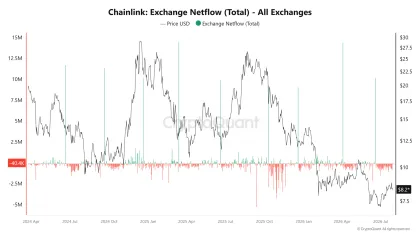
Can Chainlink flip $9? Whale buys 800K LINK amid growing demand
Institutional crypto trading hits a record 72% as Wall Street calms crypto's wild swings

Solana Price Prediction 2026 Targets $100 Amid Tightened Crypto Regulations: Is MemeToro The Best Memecoin Presale On BNB?
Crypto prices
More


