
Commentary: Does the RMB still have a medium-term appreciation trend?

Morning FX
Since June, the RMB has fluctuated within the 6.75-6.81 range for two months. According to HSBC’s observations, overseas hedge funds have significantly reduced their short positions on USDCNH. Market sentiment appears to have shifted from a one-sided expectation of appreciation to a more subtle balance.
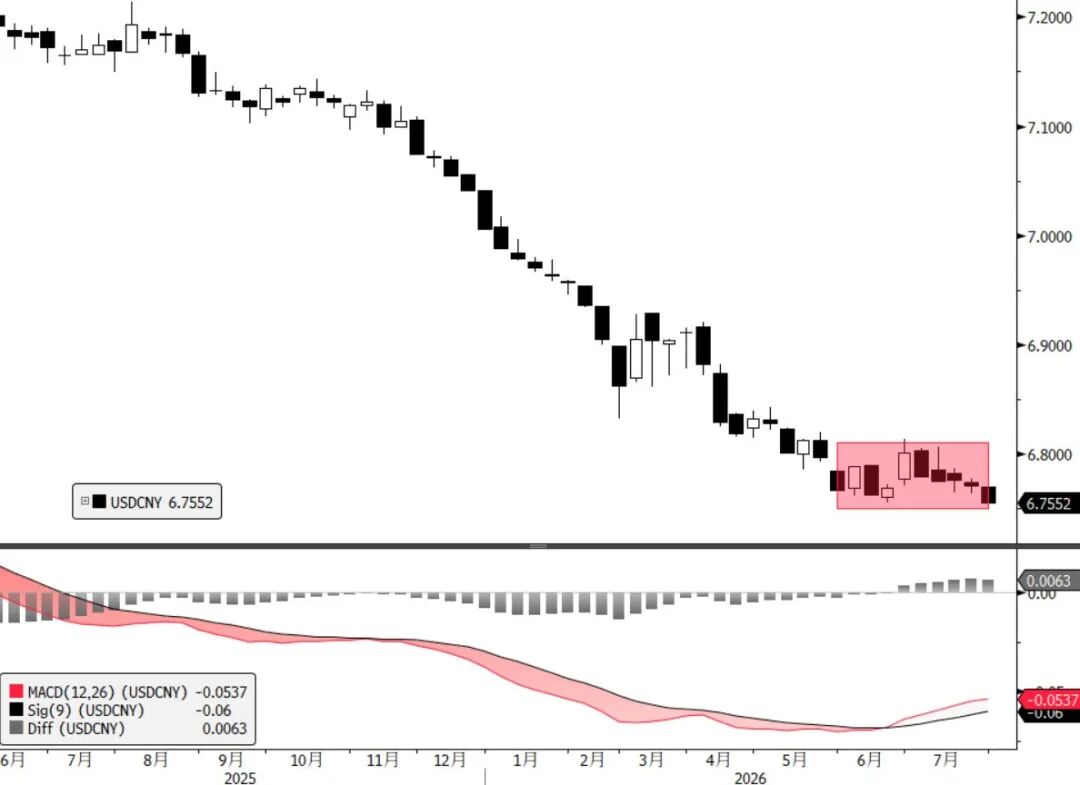
However, yesterday, at the end of July, the RMB broke below the previous low and tested the 6.75 level. Is this a continuation of the medium-term appreciation trend, or just a fleeting dip?
First, let’s talk about the past and present factors influencing the RMB.
At the beginning of the year, we believed the two main factors driving the medium-term appreciation of the RMB this year would be strong exports and narrowing interest rate differentials. Looking at the current situation, these two factors have indeed changed from the start of the year.
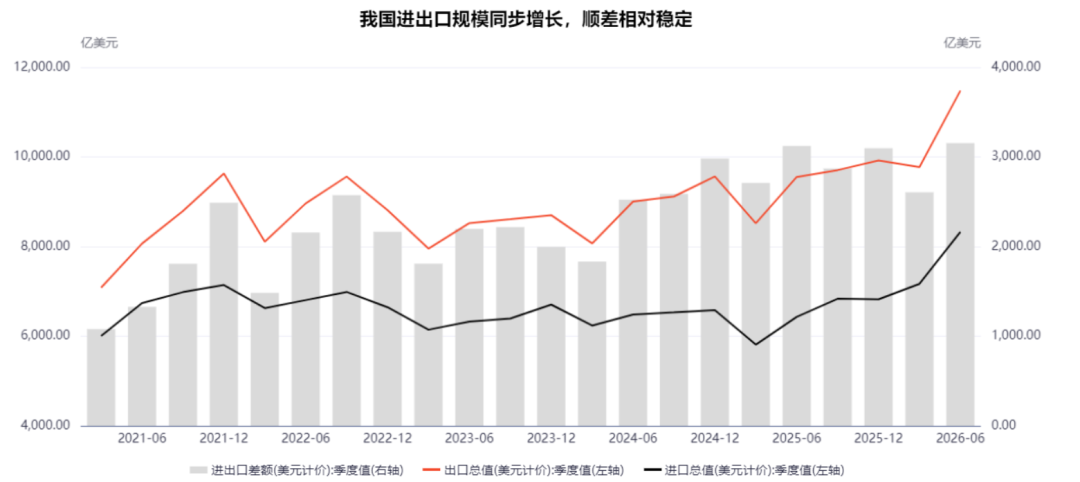
On the one hand, China’s import and export volume continues to climb, with the trade surplus remaining at a high level. Genuine foreign exchange settlement demand is still a strong driver for RMB appreciation.
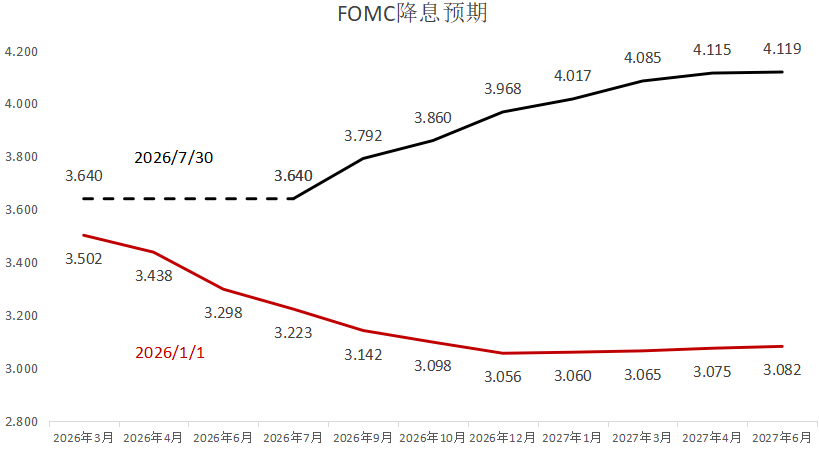
On the other hand, the Federal Reserve’s monetary policy has shifted sharply, and U.S. dollar interest rates have risen across the board. The expected interest rate differential has changed from narrowing at the start of the year to widening now. This not only impacts investment choices for overseas funds, but could also lock up domestic U.S. dollar deposit settlement demand that might otherwise have been released, or even create reverse foreign exchange purchase demand.
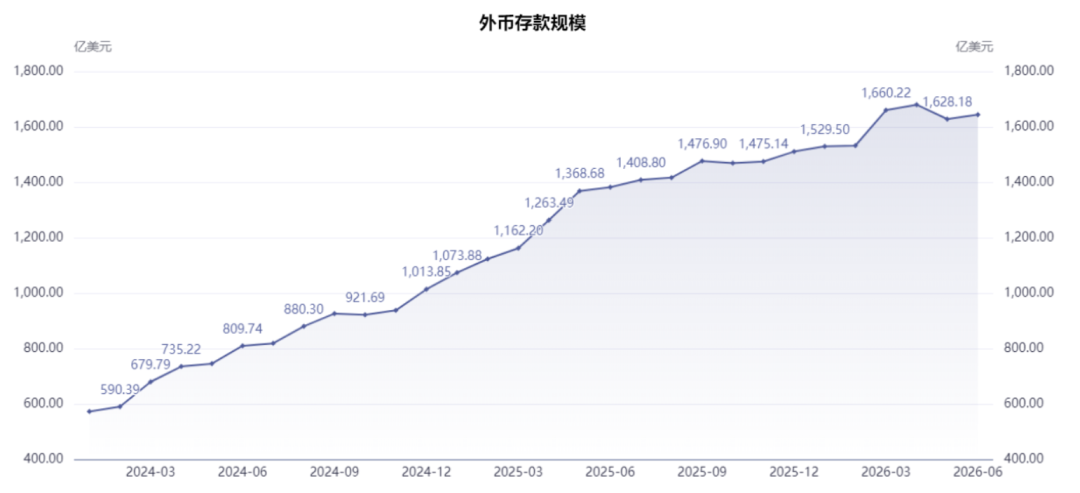
If, in the first half of the year, the combined effect of the two factors on RMB appreciation was 1+1≥2, now the two are in conflict, and only the stronger side will determine the direction of the RMB.
This is why since June, the RMB has not continued the same appreciation pace as in previous months—summer dividend foreign exchange purchases combined with widening interest rate differentials, as well as markets shifting from trend trading to carry trading in a low-volatility global FX environment, have created a dynamic equilibrium with genuine settlement demand.
Now, I would like to discuss the “future” with everyone: will the medium-term appreciation trend of the RMB continue?
In my view, the medium-term appreciation trend for the RMB is likely to continue until the end of this year.
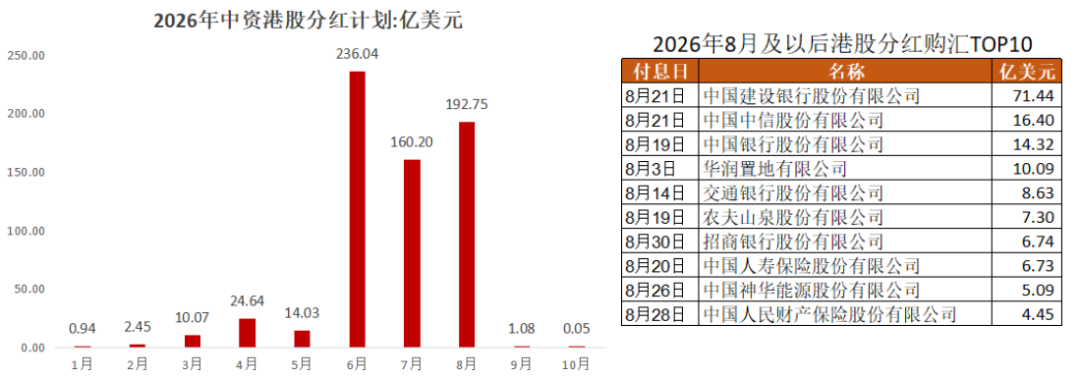
First, summer dividend-related foreign exchange purchases have been over 70% completed. In the fourth quarter, large-scale seasonal settlement inflows are expected, which will once again create a supply-demand situation where settlements outweigh foreign exchange purchases.
Second, in terms of interest rate differentials, the current market prices in 1.3 FOMC rate hikes for the rest of the year, which I believe is relatively balanced. After yesterday’s FOMC meeting, Waller’s “dagger was revealed”—he made hawkish anti-inflation statements, but lacked the courage to act, humorously called a “dove wearing an eagle mask.” As a result, the room for further short-term U.S. dollar interest rate increases should be quite limited. Conversely, if a U.S. stock market crash continues, there may be much more downside for short-term rates. Therefore, the negative impact on the RMB exchange rate should also be somewhat limited.
Of course, direction is one thing, magnitude is another. Compared to the first half of the year, I believe RMB appreciation in the second half will be milder, possibly reaching around 6.65 by year-end.
What do you think about the RMB’s performance in the second half of the year? Feel free to join the discussion in the comments.
Disclaimer: The content of this article solely reflects the author's opinion and does not represent the platform in any capacity. This article is not intended to serve as a reference for making investment decisions.
You may also like
ETH/BTC Ratio Hits 3-Month High: But Don’t Count on Altcoin Season Yet
Bitwise Q3 Staking Report: Ethereum Staked Reaches 40.2 Million ETH, Accounting for 33% of Total Supply
JPMorgan Chase Ups Amazon Price Target to $365
Hackers exploit Coldcard hardware wallet vulnerability to steal approximately $38 million in Bitcoin
Crypto prices
More


