Bitcoin’s immediate downside risk has eased following the release of U.S. inflation data that matched market expectations, but a sustained price rally may require a deviation from consensus, according to Gabe Selby, Head of Research at CF Benchmarks.
In an interview with CoinDesk, Selby noted that in three of the past nine inflation releases that came in below expectations, Bitcoin rose an average of 3.25%. However, when data aligns with forecasts, the likelihood of a sharp drop is limited, but a fresh catalyst is needed to drive meaningful upward momentum.
July CPI Report: A Mixed Signal for Crypto Markets
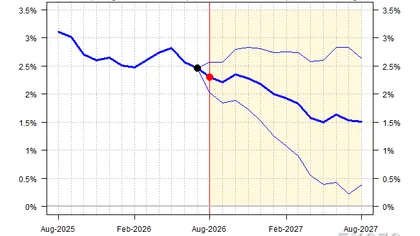
The U.S. Bureau of Labor Statistics released July’s Consumer Price Index (CPI) data on Tuesday, showing a 0.1% month-over-month increase and a 3.4% year-over-year rise. These figures broadly matched economists’ forecasts, providing some relief to risk assets, including cryptocurrencies.
Immediately following the release, Bitcoin rose approximately 0.5%, but quickly gave back those gains, trading around $63,500. This muted reaction underscores the market’s current sensitivity to macroeconomic data and the absence of a clear directional catalyst.
For investors, the in-line CPI print reduces the probability of an aggressive Federal Reserve response, but it does little to clarify the timing of potential rate cuts. This ambiguity keeps digital assets in a holding pattern, with traders awaiting more decisive signals.
Key Events That Could Move Bitcoin Next
Market participants are now looking ahead to several pivotal events that could provide the next significant move for Bitcoin:
- Jackson Hole Symposium (late August): The annual central bank gathering often sets the tone for monetary policy expectations. Any hints on rate cuts could influence risk assets.
- September 4 Employment Report: Jobs data is a key indicator for the Fed’s dual mandate. A weaker report could increase expectations for rate cuts, potentially boosting Bitcoin.
- September 11 CPI Data: The next inflation reading will be crucial. A surprise in either direction could trigger volatility.
Selby emphasized that while the risk of a sharp drop may be limited with in-line data, a clear deviation—especially to the downside—could serve as a catalyst for Bitcoin to break out of its current range.
Why This Matters for Crypto Investors
Bitcoin’s correlation with macroeconomic indicators, particularly inflation and Fed policy, has strengthened over the past year. As a result, data releases that influence interest rate expectations directly impact crypto valuations. For long-term holders, understanding these dynamics is essential for navigating short-term volatility.
The current environment suggests that Bitcoin is in a wait-and-see mode, with traders positioning for a potential breakout. However, without a clear macroeconomic catalyst, the market may remain range-bound, making it crucial for investors to monitor upcoming data points.
Conclusion
While the in-line CPI report provides temporary stability, Bitcoin’s next major move will likely depend on upcoming economic data and central bank communications. Analysts advise caution, noting that a meaningful rally may require a surprise in either inflation or employment figures. As always, investors should stay informed and consider both macro trends and crypto-specific developments.
FAQs
Q1: How did Bitcoin react to the July CPI report?
Bitcoin initially rose about 0.5% after the report, but quickly gave back gains, trading around $63,500. The muted response reflects the in-line nature of the data.
Q2: What could trigger a significant Bitcoin rally?
A surprise in inflation or employment data that shifts expectations for Fed rate cuts could act as a catalyst. Analysts note that below-consensus inflation has historically led to average gains of 3.25% for Bitcoin.
Q3: Why are macroeconomic events important for Bitcoin?
Bitcoin’s price has become increasingly correlated with macroeconomic indicators, especially Fed policy and inflation. These factors influence investor risk appetite and liquidity conditions, directly impacting crypto markets.